10 Stacked Washer-Dryer Unit Ideas
Introduction to Maximizing Small Spaces with a Stacked Washer-Dryer Unit
A stacked washer-dryer unit integrates vertical washing and drying functions into a single footprint, fitting seamlessly into modern home aesthetics. These compact laundry centers offer incredible versatility for apartments, condos, and small utility closets where floor space is limited.
This guide explores ten creative design ideas to help you incorporate this appliance into your home decor while maintaining style and function. You will discover smart spatial layouts, cabinetry integrations, and clever concealment strategies for tight spaces.
Creative Stacked Washer-Dryer Unit Layouts
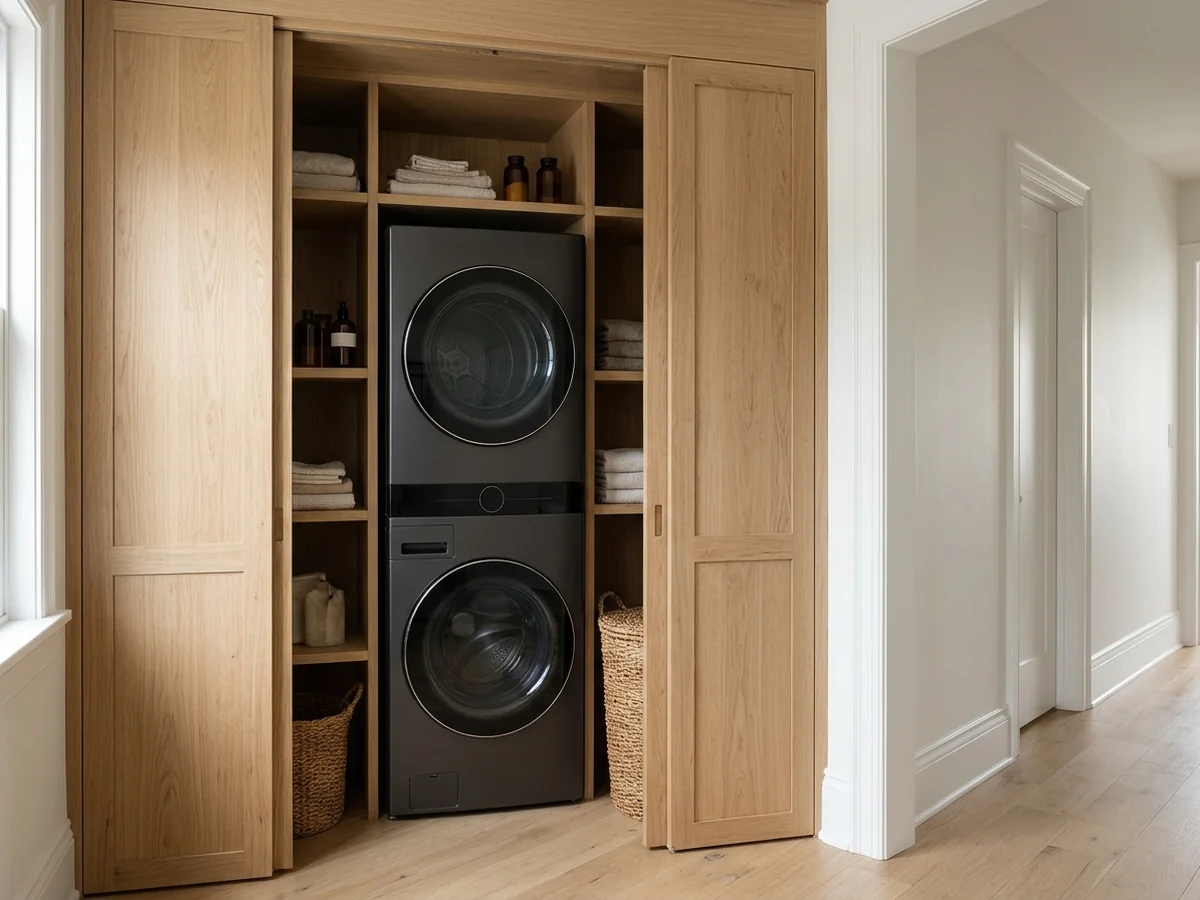
Integrating a vertically paired laundry appliance into custom cabinetry or a hallway nook transforms a utilitarian necessity into a seamless part of your home architecture. Many homeowners choose built-in enclosures because these vertical systems are designed to fit neatly into tight closets or custom recesses.
Custom carpentry allows you to hide the appliance entirely behind matching cabinet doors. When the doors stay closed, the laundry station vanishes into the hallway or mudroom design. You can select soft-close hinges and matching hardware to tie the surrounding millwork into the rest of your interior aesthetic.
Sliding doors offer another smart approach for narrow hallways where swinging cabinet panels might block foot traffic. Pocket doors or sleek bypass panels glide open smoothly when you need access for washing and drying, then slide shut to maintain clean lines in your living space.
Accent paint creates a striking visual impact when you frame your laundry appliance with bold color choices. Painting the interior of the recessed nook in a deep hue or contrasting shade turns an ordinary utility zone into an intentional design feature that complements modern decor.
Planning Spatial Clearances and Enclosures
Selecting the best stacked washer dryer unit involves looking at both spatial constraints and aesthetic goals. When you coordinate the dimensions with your surrounding cabinetry, your laundry station becomes both highly functional and visually appealing. Because stacked washer dryer units are designed to fit into closets or laundry nooks, precise planning prevents operational issues and ensures proper ventilation. Many homeowners pair an electric model with features like PreciseFill Technology, or opt for larger setups such as configurations from GE Appliances offering a 3.8 cubic foot washer paired with a 5.9 cubic foot gas dryer, or compact versions featuring a 2.3 cubic foot washer and a 4.4 cubic foot electric dryer.
Integrating Design Strategies for Compact Living
To help you plan your own custom laundry zone, consider these design strategies:
- Build custom floor-to-ceiling cabinetry around the appliance to maximize vertical storage space for detergents and linens.
- Install louvered bifold doors to ensure proper airflow while keeping the laundry center neatly concealed.
- Apply a rich accent paint color to the back wall of the laundry niche to create depth and visual contrast.
- Utilize sliding barn doors to save valuable floor space in narrow hallways or compact utility areas.
- Add under-shelf lighting inside the custom alcove to brighten the workspace during folding and sorting tasks.
Managing Controls and Accessibility
A frequent consideration during installation is that vertical laundry appliances typically feature independent control panels for the top and bottom compartments. Ensuring these interface areas remain comfortably within reach is vital for daily routines, particularly when the drying dials sit higher up. Thoughtful interior planning guarantees that your laundry layout balances striking visual design with effortless everyday operation.
Understanding Capacity Ranges and Configurations
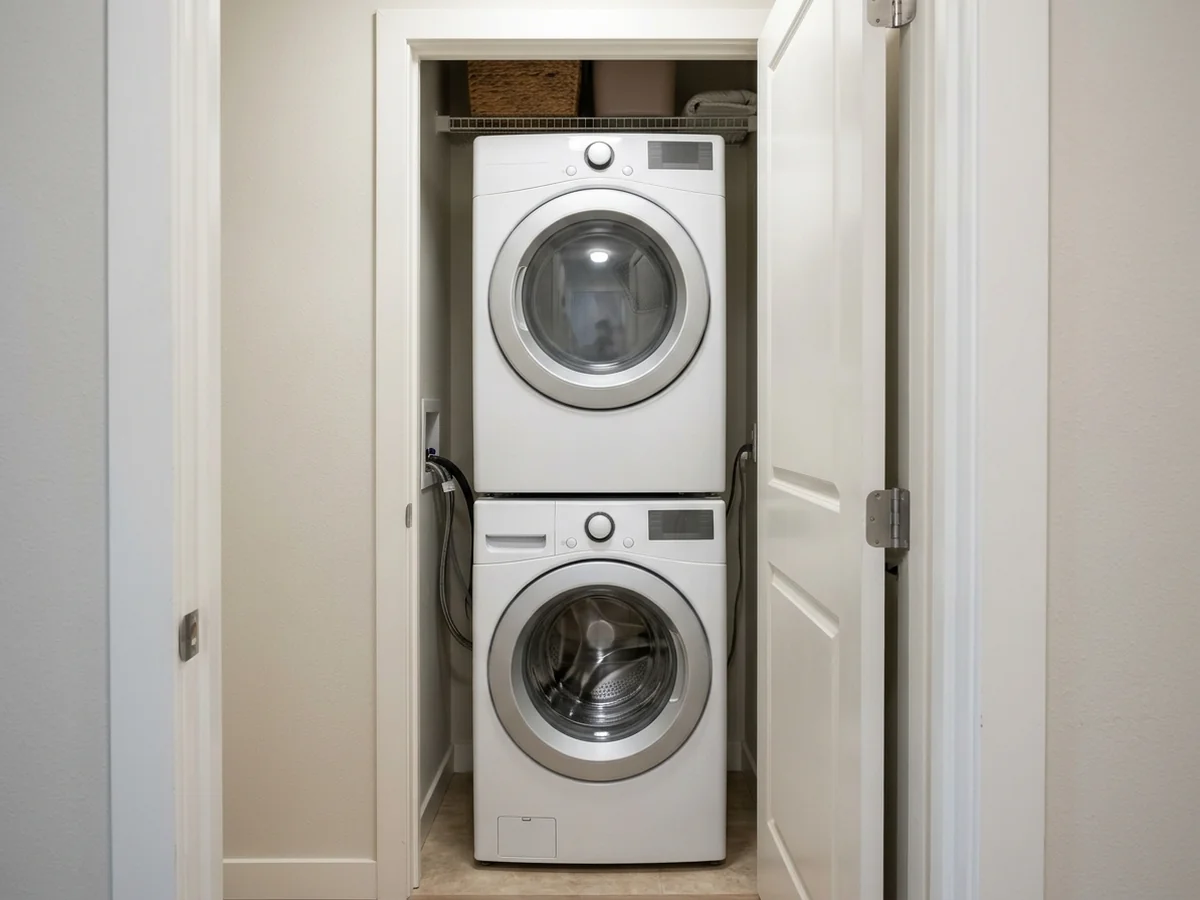
Choosing the right capacity for a stacked washer-dryer unit depends heavily on your household laundry volume, daily routine, and available utility hookups. Because these versatile appliances are typically designed to fit neatly into designated closets or narrow laundry nooks, understanding available dimensions helps you avoid costly installation mistakes. Matching your spatial layout and utility connections ensures a seamless setup process that supports your home organization goals.
| Configuration Type | Washer Capacity | Dryer Capacity | Dryer Fuel Type |
|---|---|---|---|
| Compact Pairing | 2.3 Cubic Feet | 4.4 Cubic Feet | Electric |
| Standard Pairing | 3.8 Cubic Feet | 5.9 Cubic Feet | Gas |
Smaller living spaces and tight apartments frequently utilize compact setups. These arrangements often feature a 2.3 cubic foot washer paired with a 4.4 cubic foot electric dryer, offering enough volume for daily garments without overwhelming small rooms. On the other hand, larger household layouts often use configurations pairing a 3.8 cubic foot washer with a 5.9 cubic foot gas dryer to handle bulkier weekly loads efficiently.
A common practical consideration during the selection process involves control panel placement and machine operation. Many laundry centers feature distinct user interfaces for the upper and lower compartments, giving users the ability to handle washing cycles and drying temperatures separately. Furthermore, incorporating modern innovations like PreciseFill Technology helps optimize water levels based on load size, reducing utility waste.
When planning your laundry space, avoiding common sizing and utility mistakes is essential. Homeowners frequently measure only the floor footprint while forgetting to account for overhead clearance, door swing angles, and rear venting requirements. Another frequent error involves mismatching the dryer fuel type. Always verify whether your laundry area requires an electric connection or a dedicated gas line before purchasing your laundry center.
Advanced Control Panels and Modern Technologies
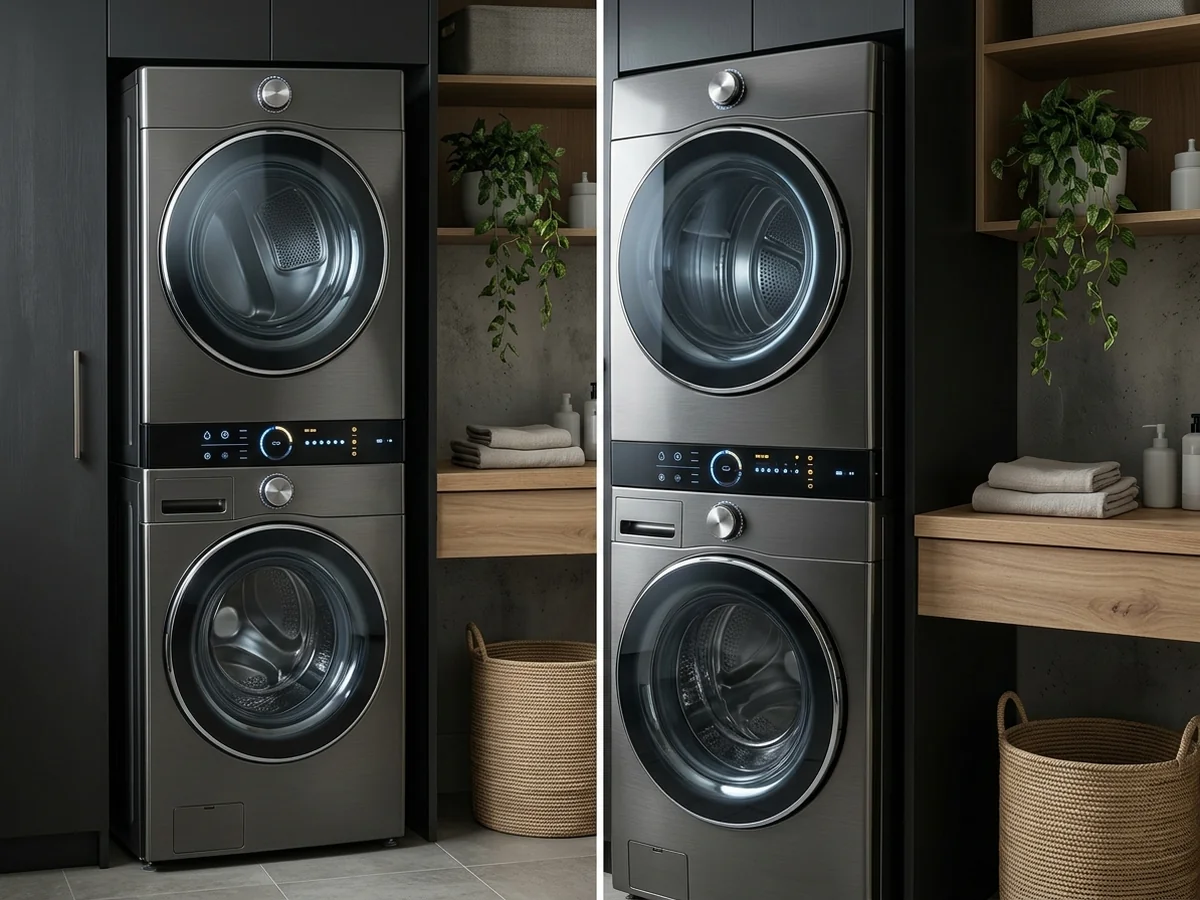
Many stacked washer-dryer unit designs operate with separate controls for each machine, allowing users to manage wash and dry cycles independently. This layout puts every setting within easy reach, which helps prevent confusion during busy laundry days. Users can quickly adjust temperatures or change spin speeds without straining, making the process straightforward for households of any size. When selecting the best stacked washer dryer unit, evaluating how the control panel is positioned prevents awkward reaching and ensures effortless daily operation in compact spaces like closets or laundry nooks.
PreciseFill Technology and Automated Cycles
Modern laundry appliances often include PreciseFill Technology to automatically measure load sizes and adjust water levels accordingly. Such sensors reduce waste and ensure garments receive the right amount of moisture during every cycle. Beyond water management, many units incorporate specialized sanitize cycles that provide extra peace of mind by eliminating common allergens and bacteria at higher temperatures. These deep-cleaning routines protect household health without requiring harsh chemical additives, ensuring daily garments emerge thoroughly refreshed.
Capacity Options and Specialized Features
Optional wrinkle-reducing steam features help relax stubborn creases before clothes finish drying, reducing the need for constant ironing after laundry loads are complete. When planning a laundry center setup, buyers often encounter distinct capacity configurations from trusted manufacturers. For instance, common guidance indicates that GE Appliances offers stacked laundry units featuring 2.3 cubic foot washers paired with 4.4 cubic foot electric dryers for tighter spaces. Alternatively, larger household layouts frequently utilize configurations with 3.8 cubic foot washers paired with 5.9 cubic foot gas dryers to handle heavier weekly workloads.
Setup and Maintenance Guidelines
A common mistake during setup is ignoring ventilation requirements or selecting a gas dryer configuration when only electric hookups are available. Homeowners should always verify utility connections before purchasing any laundry center, ensuring that gas lines or dedicated electrical circuits match the specifications of the machine. To keep advanced control panels functioning correctly, wipe digital displays with a dry microfiber cloth and avoid using abrasive sprays that can damage sensitive touch sensors over time.
Precise Spatial Clearances and Installation Requirements
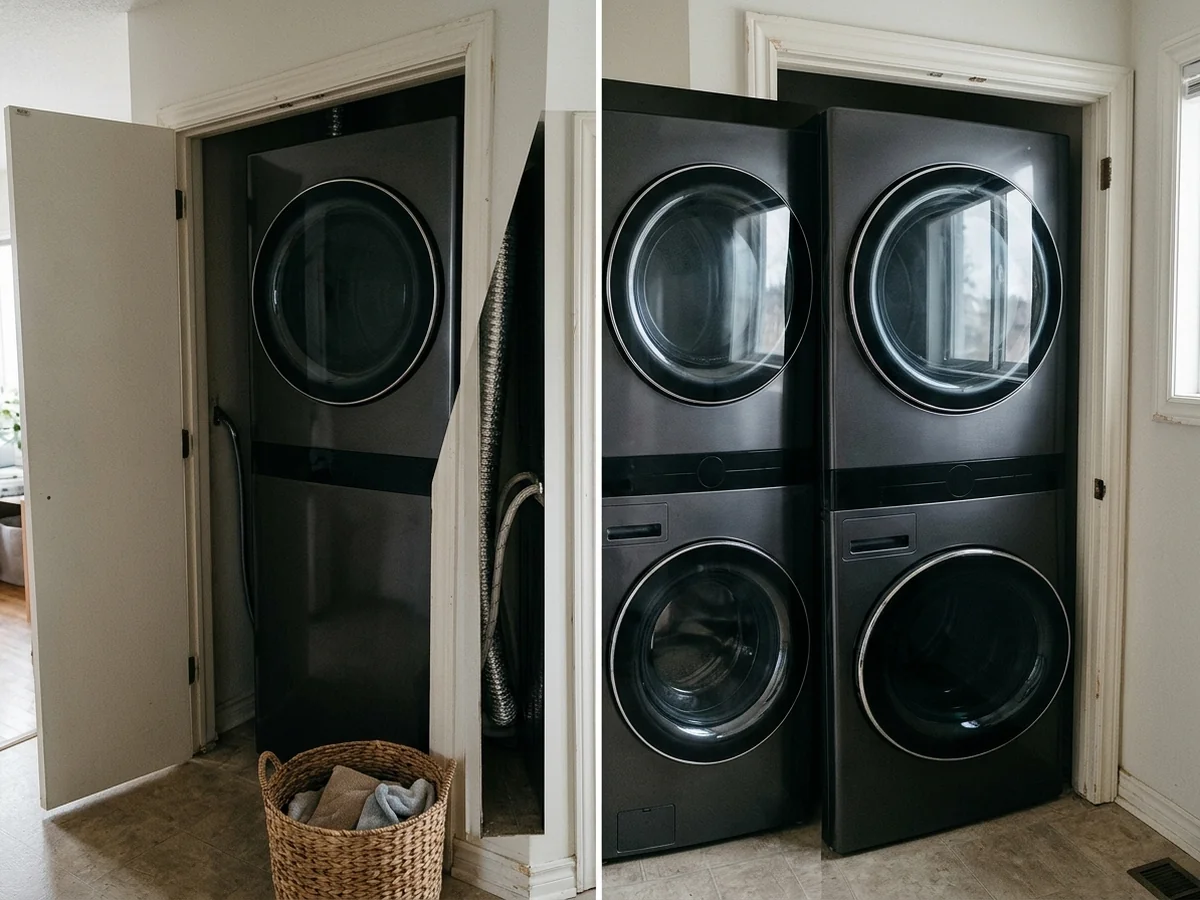
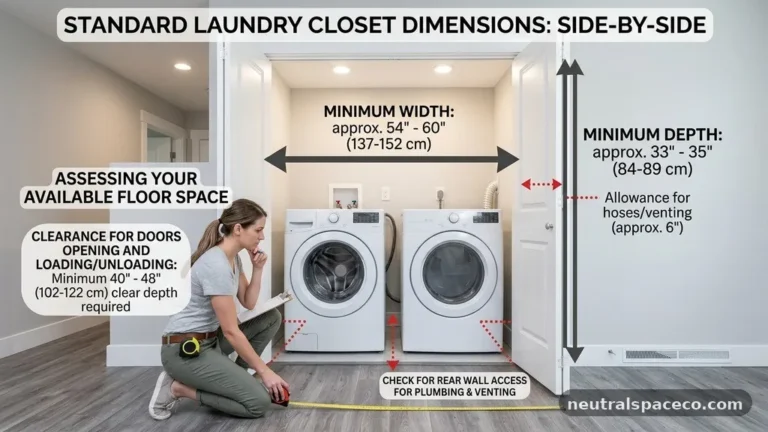
Safe installation and proper ventilation demand precise spatial clearances around your laundry appliances. You need to measure every dimension of your chosen area before bringing any machinery home, especially when working with compact closets or narrow alcoves in modern apartments, condos, or small homes. Planning how much space for stacked washer dryer setups in tight nooks involves accounting for utility hookups, exhaust venting, and door swings. Stacked washer dryer units are designed to fit into closets or laundry nooks seamlessly if you leave enough buffer room for water hoses and electrical cords at the back.
Understanding Spatial Margins and Airflow
Proper airflow prevents overheating, which makes adequate side and top clearance essential for every model. Leave a few inches on each side and extra room above the unit to ensure safe operation, reduce vibration noise, and extend the lifespan of your equipment. When planning your layout, remember that GE Appliances offers stacked laundry units with 2.3 cubic foot washers and 4.4 cubic foot electric dryers, along with configurations featuring 3.8 cubic foot washers and 5.9 cubic foot gas dryers. These options require careful evaluation of your gas lines or electrical outlets before installation begins to prevent hazardous pinching.
Avoiding Common Setup Mistakes
A common mistake during setup is pushing the appliance too flush against the back wall, which pinches water supply lines and blocks exhaust airflow. Always consult the manufacturer guidelines for precise measurement tolerances, and bear in mind that it is common practice for these laundry systems to feature individual controls for each appliance, which calls for easily reachable placement. If you are designing a dedicated laundry center within a narrow floor plan, verify that you can comfortably reach the upper control panel without straining, particularly when selecting a laundry appliance for a high traffic household.
Assessing Utility Requirements for Gas and Electric Models
Before finalizing your interior layout, identify whether your chosen stackable appliance runs on electricity or gas. Gas models require a secure gas line connection alongside proper venting to release combustion byproducts safely outside the building envelope. Electric configurations typically demand a dedicated heavy duty outlet and a corresponding power cord rated for the specific voltage of the machine. Taking these utility factors into account during the early design phase guarantees that your finished laundry space remains both visually pleasing and fully functional for everyday household routines.
Honest Look at Stackable Washer and Dryer Downsides
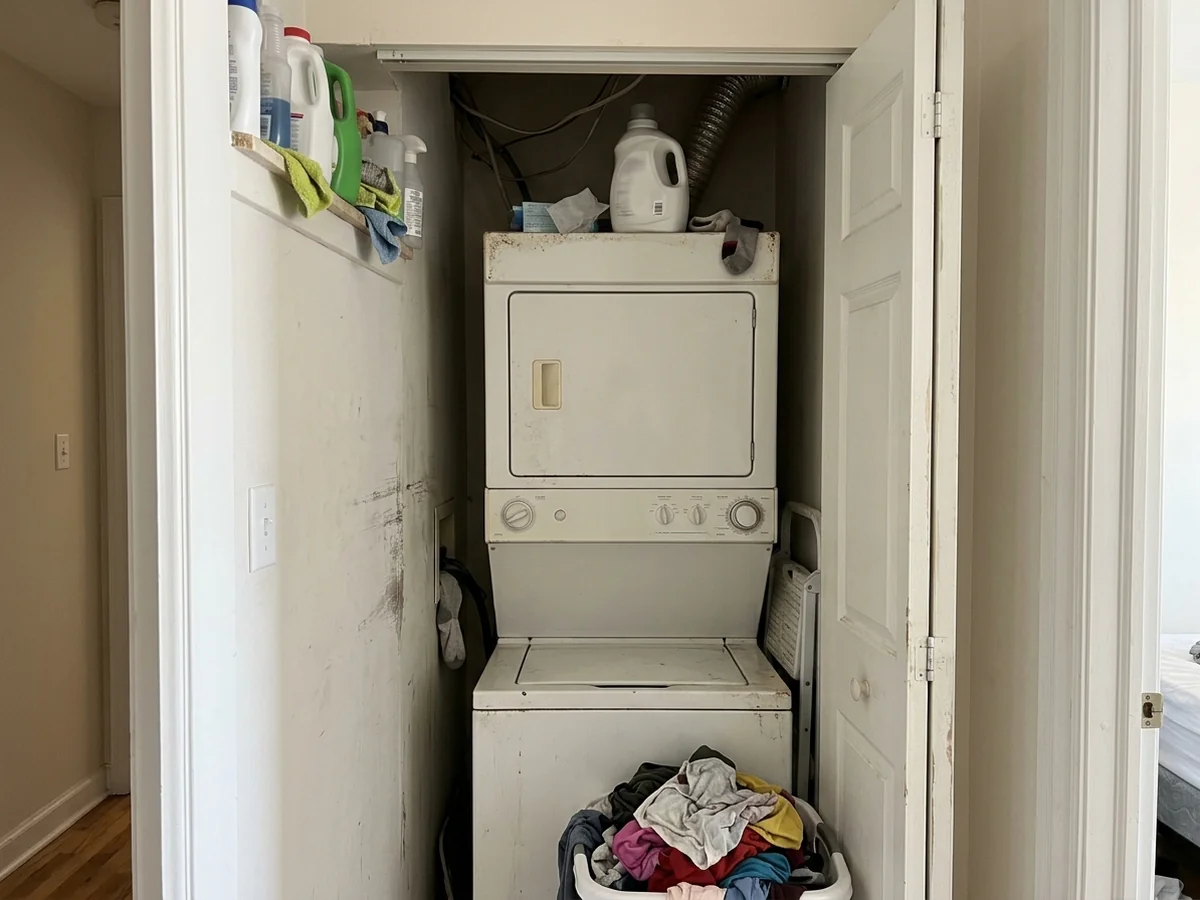
Vertical laundry centers are a common solution for maximizing square footage in apartments, condos, and small homes. While these appliances excel at saving space, evaluating stackable washer and dryer downsides is a critical step in the planning process. Understanding the operational realities of a stacked washer-dryer unit helps you determine if the trade-off in accessibility and maintenance is right for your specific living situation.
Ergonomic and Reach Challenges
One of the most immediate drawbacks involves physical accessibility. Because the dryer is elevated, the control panel and the drum opening are often positioned higher than those on traditional side-by-side models. For users with limited reach or those who struggle with lifting, moving wet, heavy laundry into an elevated dryer drum can be physically taxing. In some configurations, shorter individuals may find it difficult to read settings or select specific cycles without using a step stool. These ergonomic hurdles are a frequent point of frustration during daily use, especially since many units operate with separate controls for each machine.
Mechanical and Maintenance Complexities
When selecting a laundry center, it is important to consider the long-term maintenance implications. Because these machines are typically designed to fit into closets or laundry nooks, they are often packed into a compact chassis. This configuration can make routine repairs more difficult. If a component fails, technicians may struggle to access internal parts without completely uninstalling the unit, which is not as simple as pulling out a standalone washer.
Furthermore, because the heavy-duty spin cycle of the washer is located directly beneath the dryer, vibration can be more pronounced. If the floor is not perfectly level or lacks the necessary structural support, the kinetic energy transfer can lead to increased noise and potential wear on the surrounding cabinetry.
Functional Limitations and Installation Requirements
While many models offer modern features like PreciseFill Technology or specialized sanitize cycles, you are generally working with fixed capacity ranges. For instance, manufacturers such as GE Appliances often pair a 2.3 cubic foot washer with a 4.4 cubic foot electric dryer, or larger setups might feature a 3.8 cubic foot washer with a 5.9 cubic foot gas dryer. These sizes are sufficient for many, but they do not always match the capacity of full-sized appliances.
Additionally, installation requires careful attention to detail. You must provide enough rear ventilation space to prevent overheating and maintain proper side clearance for safe operation. Failing to account for these gaps can limit the longevity of vertical laundry appliances, as poor airflow puts unnecessary strain on internal heating elements and motors. Before purchasing, verify your utility hookups for either gas or electric power, as these requirements are non-negotiable for safe, long-term functionality in a modern home.
Expected Lifespan and Brand Dependability
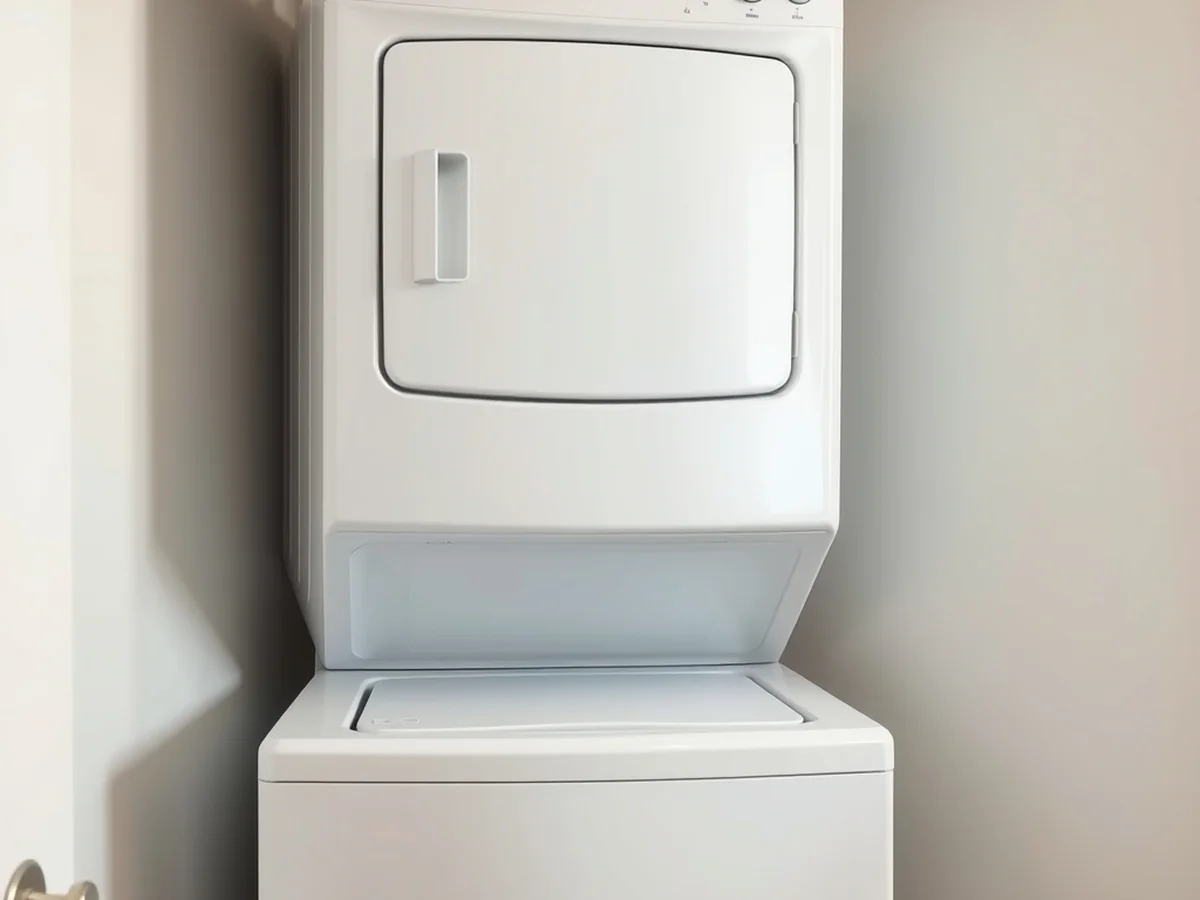
When investing in a stacked washer-dryer unit for a home, apartment, or utility nook, understanding appliance longevity helps set realistic expectations for daily use. The average lifespan of a stackable washer and dryer typically spans a decade, though this duration depends heavily on consistent upkeep. Simple habits, such as cleaning lint filters after every single cycle and wiping down rubber door gaskets, prevent motor strain and airflow blockages that shorten overall appliance durability.
Evaluating brand dependability involves looking closely at marketplace availability and manufacturer reputations. Shoppers often compare options found at major retailers like Costco alongside dedicated appliance brands to find the right balance of features. GE Appliances is commonly recognized in the industry for offering versatile configurations, such as setups featuring 2.3 cubic foot washers paired with 4.4 cubic foot electric dryers, as well as larger configurations utilizing 3.8 cubic foot washers paired with 5.9 cubic foot gas dryers. These varied capacities allow households to match their daily laundry volume with the appropriate power source.
Operational design also influences how individual components age over time. Many stacked laundry setups often feature independent control panels for the upper and lower compartments, which shapes user interaction during multi-load washing days. Choosing a reputable manufacturer ensures easier access to replacement parts when repairs eventually become necessary, minimizing long term downtime.
To maximize appliance longevity and prevent premature component failure, owners should follow practical maintenance steps:
- Inspect water supply hoses regularly for signs of bulging, cracking, or minor leaks.
- Leave the washer door slightly ajar between loads to promote proper drying and stop mold growth.
- Ensure exterior venting for electric or gas dryers remains completely free of lint accumulation to maintain optimal drying efficiency.
- Avoid overloading the wash drum, which places excessive stress on the agitator and motor bearings.
A common mistake among homeowners is neglecting routine maintenance cycles, such as professional vent cleaning or deep cleaning detergent drawers. Skipping these basic upkeep tasks restricts airflow, forces internal components to work harder, and ultimately leads to costly service calls or early replacement needs.
Evaluating Pre-owned Options and Budget Alternatives
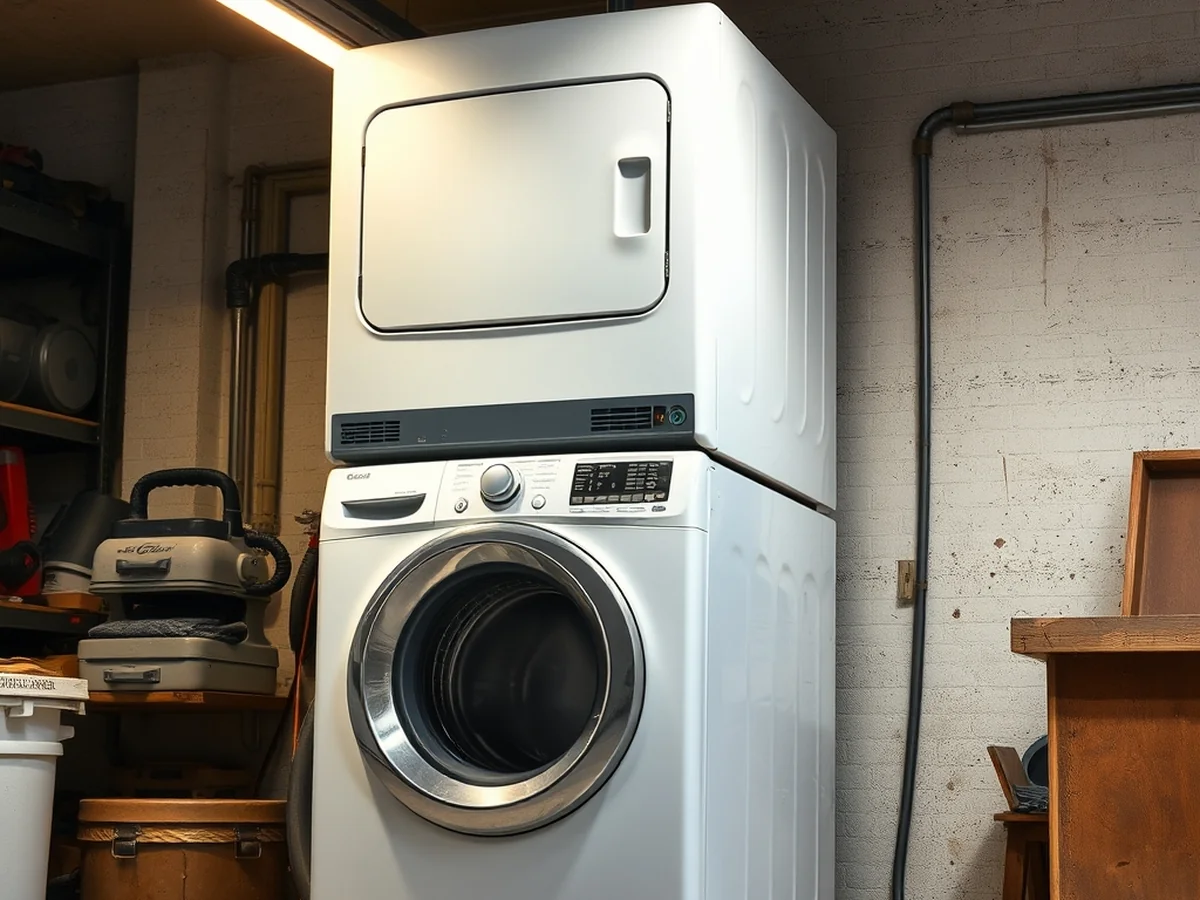
Assessing a used stacked washer dryer unit requires careful attention to mechanical wear, component history, and overall reliability. Buyers often save money upfront by choosing budget alternatives, but older laundry centers can harbor hidden repair needs that quickly erase initial savings. Understanding what to look for prevents unexpected maintenance costs down the road, especially for apartment dwellers and interior planners working within tight budgets.
Inspecting Mechanical Wear and Tear
Inspecting the outer drum and spin basket thoroughly involves manually rotating the cylinder to check for unusual resistance, wobbling, or grinding noises. A balanced drum should spin smoothly, which indicates that the internal bearings and suspension springs remain in solid working condition. Buyers must also examine all water hoses, drainage ports, and internal seals for signs of cracking, mineral buildup, or active leaks before finalizing any purchase. Overlooking these warning signs often leads to immediate service calls that outweigh the initial discount of a secondhand appliance.
Testing Control Interfaces and Capacities
Testing the electronic interface and mechanical controls ensures that every wash cycle and drying setting functions properly. Typical setups feature distinct operation panels for the top and bottom compartments, making it important to test both sections independently to confirm that everything runs correctly. Typical configurations found in the marketplace include compact setups, such as options featuring 2.3 cubic foot washers paired with 4.4 cubic foot electric dryers, as well as larger alternatives featuring 3.8 cubic foot washers paired with 5.9 cubic foot gas dryers from manufacturers like GE Appliances.
Verifying Space and Utility Constraints
Because these appliances are designed to fit into closets or laundry nooks, verifying exact physical dimensions and utility hookups before purchase prevents costly installation failures. A common mistake among buyers is failing to measure doorway widths and closet clearances prior to transport. Ensuring that the electrical voltage or gas line supply matches the specifications of the appliance guarantees a smooth integration into your home layout.
Frequently Asked Questions About Stacked Laundry Units
Are stacked units easy to install?
Professional installation is often recommended because these appliances require secure wall anchoring, precise plumbing connections, and proper venting. Proper setup ensures safe operation and prevents potential water leaks in tight utility closets.
Can I wash and dry loads at the same time?
Typical models feature distinct control interfaces for the washer and dryer compartments, allowing users to run both cycles concurrently. This setup helps streamline household chores by letting you finish drying one batch of garments while a fresh load spins.
Do these laundry units offer multiple cycle options?
Modern models include a wide variety of wash and dry cycle choices to accommodate delicate fabrics, heavy linens, and everyday garments. Specific features often range from quick wash settings to specialized sanitation cycles, and brands like GE Appliances frequently provide options such as 2.3 cubic foot washers paired with 4.4 cubic foot electric dryers, as well as 3.8 cubic foot washers paired with 5.9 cubic foot gas dryers.
Are stacked appliances energy efficient?
High-efficiency models are widely available and designed to use less water and electricity during standard operation. Many units also incorporate advanced sensors to adjust resource usage based on load size.
Where can these compact laundry centers be placed?
A Stacked Washer-Dryer Unit is typically designed to fit comfortably inside designated closets or specialized laundry nooks without taking up excessive floor space. Their vertical footprint makes them an ideal choice for apartments, condos, and compact utility rooms.
Conclusion and Final Selection Tips
Choosing and styling vertical laundry appliances comes down to measuring your available square footage and matching drum capacities to your household habits. Selecting the right stacked washer-dryer unit requires careful planning around closet dimensions and utility hookups to ensure seamless everyday operation. Take accurate measurements of your laundry nook today so you can invest in an appliance layout that optimizes both your floor space and your home routine.
You might also like: Standard Laundry Closet Dimensions: Minimum Width and Depth for Side-b