7 Ways To Get A Teen Boy To Clean Their Room
Introduction
Parents often experience daily frustration when trying to get teen boy to clean room spaces that quickly descend into chaos. Navigating this common household battle requires balancing adolescent development with maintaining basic family standards.
This guide offers practical, psychology-backed strategies to help your teenager manage their personal space without starting endless arguments. You will learn how to address underlying executive functioning hurdles and establish routines that foster genuine independence.
Understanding Adolescent Brains: Why Teen Boys Struggle with Cleanliness
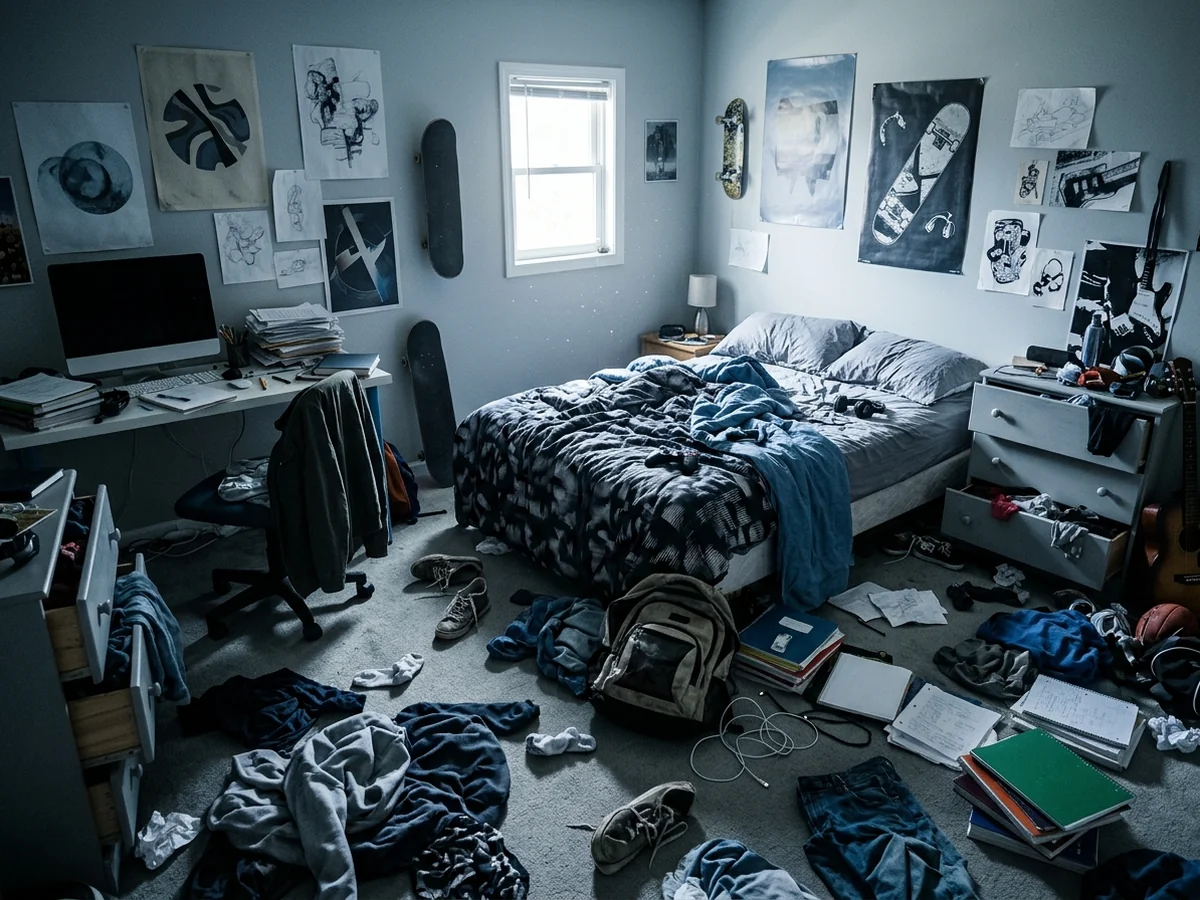
Teenage boys often struggle with messy rooms because their brains are undergoing massive structural rewiring during adolescent development. This neurological shift alters how they perceive mess, prioritize tasks, and manage physical spaces. Behavioral psychology shows that what looks like pure laziness is actually a byproduct of a maturing mind navigating intense biological changes.
The prefrontal cortex, which handles organization, planning, and impulse control, develops at a much slower rate than the emotional centers of the brain. Because of this developmental lag, executive function is still under construction during the teenage years. Managing physical belongings requires mental skills that are genuinely difficult for adolescents to sustain without guidance.
When looking at teenage boy bedroom clutter psychology, researchers find that adolescents genuinely process visual clutter differently than adults do. Their brains often tune out mess because other developmental priorities take up their mental bandwidth. They are not intentionally ignoring dirt out of defiance or a desire to cause friction.
This neurological reality explains why standard cleaning instructions often fail with teenagers. Broad commands like cleaning the entire room overwhelm an underdeveloped cognitive system. Without broken down steps, adolescent executive functioning chores quickly lead to frustration, paralysis, and further avoidance.
To bridge the gap between neurological reality and household expectations, parents can adopt several practical steps:
- Break massive cleaning tasks into tiny, specific milestones rather than demanding a complete overhaul at once.
- Establish predictable daily routines so that tidying becomes a low friction habit rather than a massive confrontation.
- Provide clear visual boundaries, such as labeled bins or specific hampers, to reduce the cognitive load of deciding where items belong.
A common mistake parents make is assuming teenagers possess the same spatial awareness and organizational intuition as adults. When adults yell generalized commands from the hallway, the teen experiences cognitive overload. Understanding the underlying brain science helps parents shift from chronic nagging to supportive, structured coaching that teaches lifelong independence.
Is It Normal for a Teenager to Have a Messy Room?
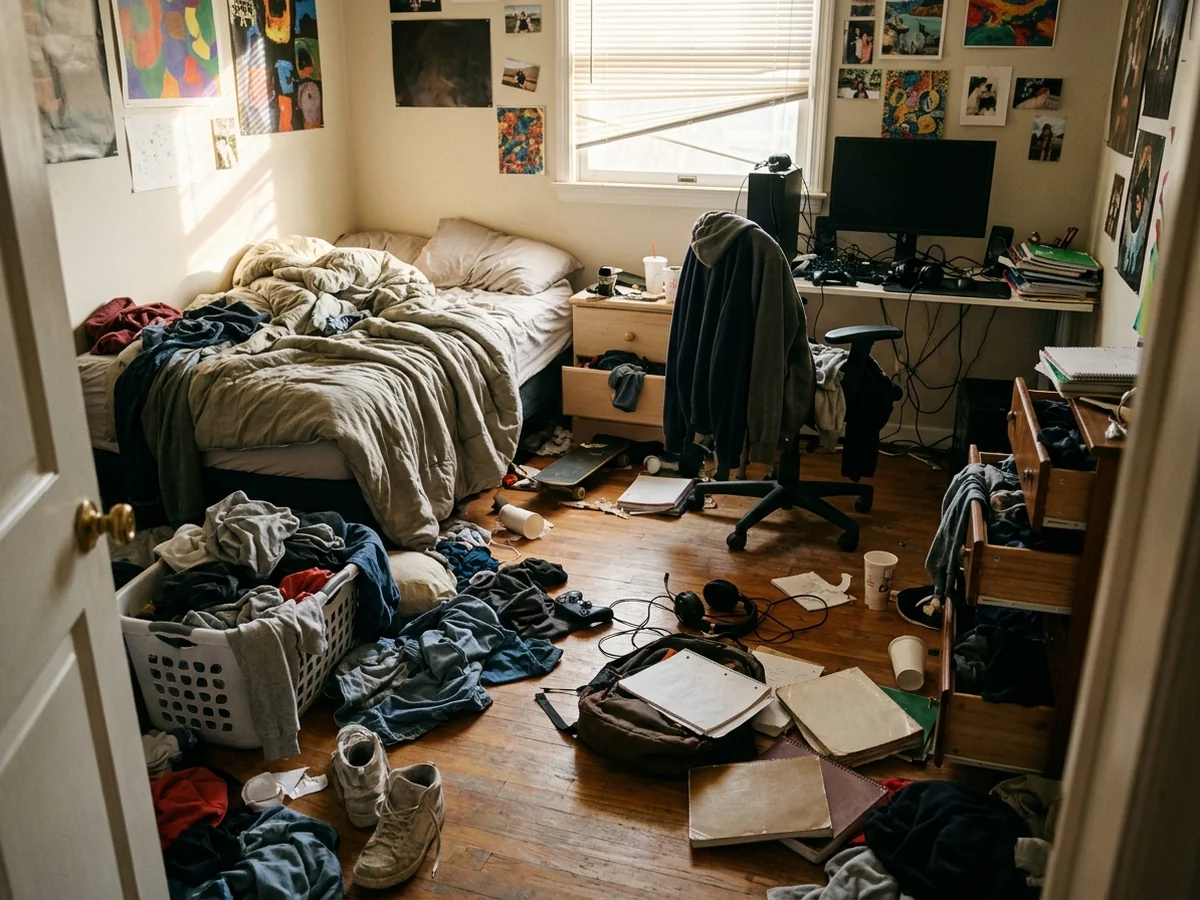
Most of the time, a cluttered bedroom is a completely normal part of adolescent development and a standard way for teenagers to claim independence. Kids at this age naturally want to establish boundaries and personal space away from parental oversight. Parents often wonder why does my son never clean his room when typical teenage habits lean heavily toward privacy rather than pristine organization.
Behavioral experts and pediatric guidance emphasize that messy spaces reflect shifting priorities rather than outright rebellion. Teenagers are navigating complex social worlds, identity formation, and changing neurological pathways that impact executive function. Their brains are actively rewiring, which frequently leads to disorganization, poor time management, and a reduced perception of physical clutter.
Standard independence seeking looks like a messy desk, clothes piled on a chair, and a general preference for closed doors. Behavioral specialists note that teens use their bedrooms as safe havens to decompress from daily stress. This routine boundary testing differs significantly from genuine household disruption.
Signs that require closer attention involve a sharp departure from baseline behavior or safety hazards. Parents should take a closer look if the mess includes rotting food, biological waste, or deep isolation accompanied by extreme mood changes and academic decline. Differentiating between normal adolescent untidiness and deeper mental health concerns helps families respond with appropriate support instead of constant friction.
Make Your Teen Clean
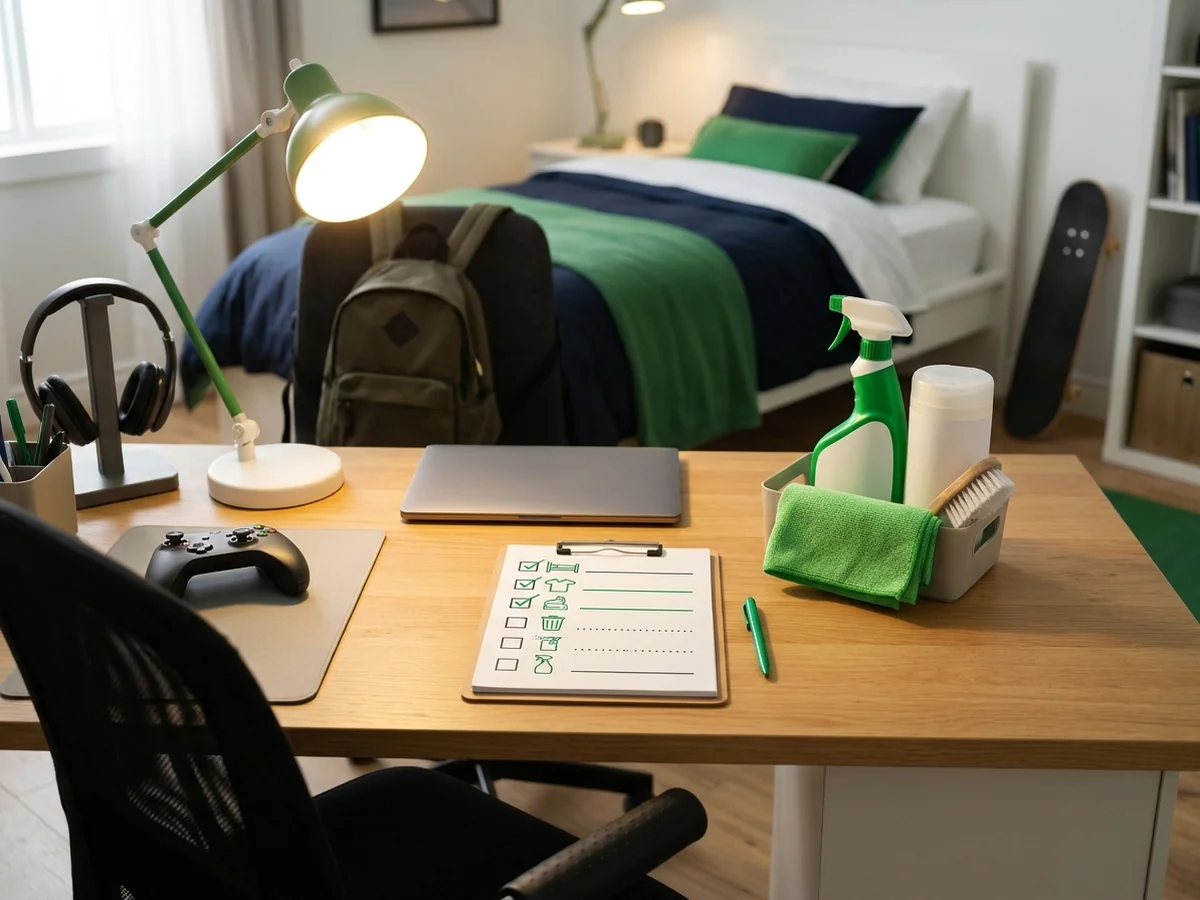
When you want to get teen boy to clean room spaces effectively, the secret lies in shifting your coaching style from micromanagement to structured empowerment. An adolescent executive functioning hurdles often create a mental block, making a cluttered floor or an overflowing desk look overwhelmingly impossible to tackle. When teenagers shut down, parents frequently resort to nagging or doing the labor themselves. Behavioral psychology shows that stepping in to finish the job teaches young people that ignoring the mess works in their favor.
Guiding your child without sparking defiance requires understanding adolescent development and employing proven psychological strategies. To help your son build lasting habits when you wonder how to motivate a teenager to clean their room, focus on breaking down the workload and keeping responsibilities clearly defined:
- Divide the space into micro zones, such as the laundry basket, the study desk, and the bed, so your child only focuses on one small quadrant at a time.
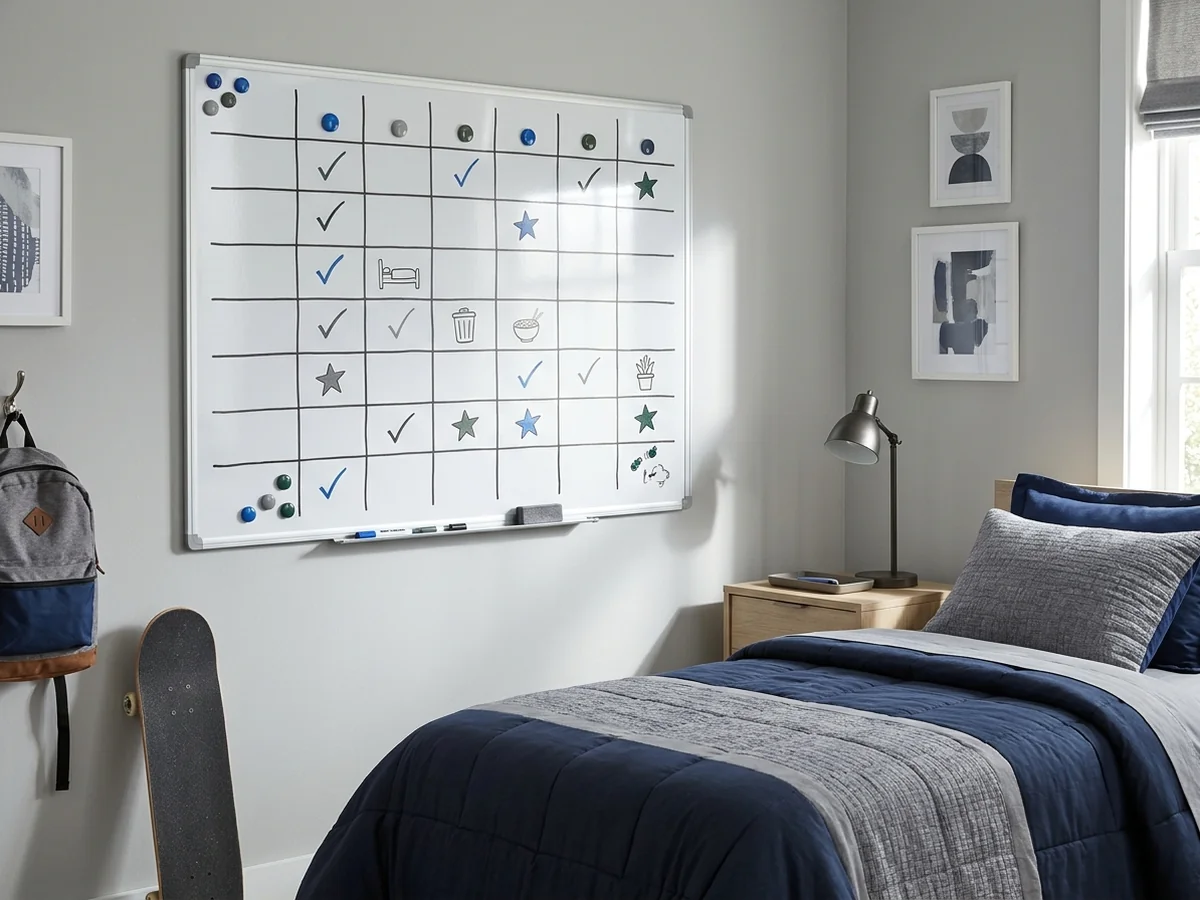
- Introduce a visual chore chart that outlines expectations clearly, removing ambiguity so there is zero confusion about what finished looks like.
- Set a kitchen timer for short cleaning sprints to build time management skills and reduce the intimidation factor of a massive bedroom mess.
- Use positive reinforcement consistently, acknowledging completed tasks to reinforce productive routines without falling into endless power struggles.
Common mistakes during this process include jumping in too early, giving vague instructions like clean your room, or reacting with anger when progress feels slow. By maintaining a calm, coach-like presence and letting natural consequences take hold, you teach valuable life skills that extend far beyond a tidy aesthetic.
Proven Strategies to Motivate Your Teen Without Nagging
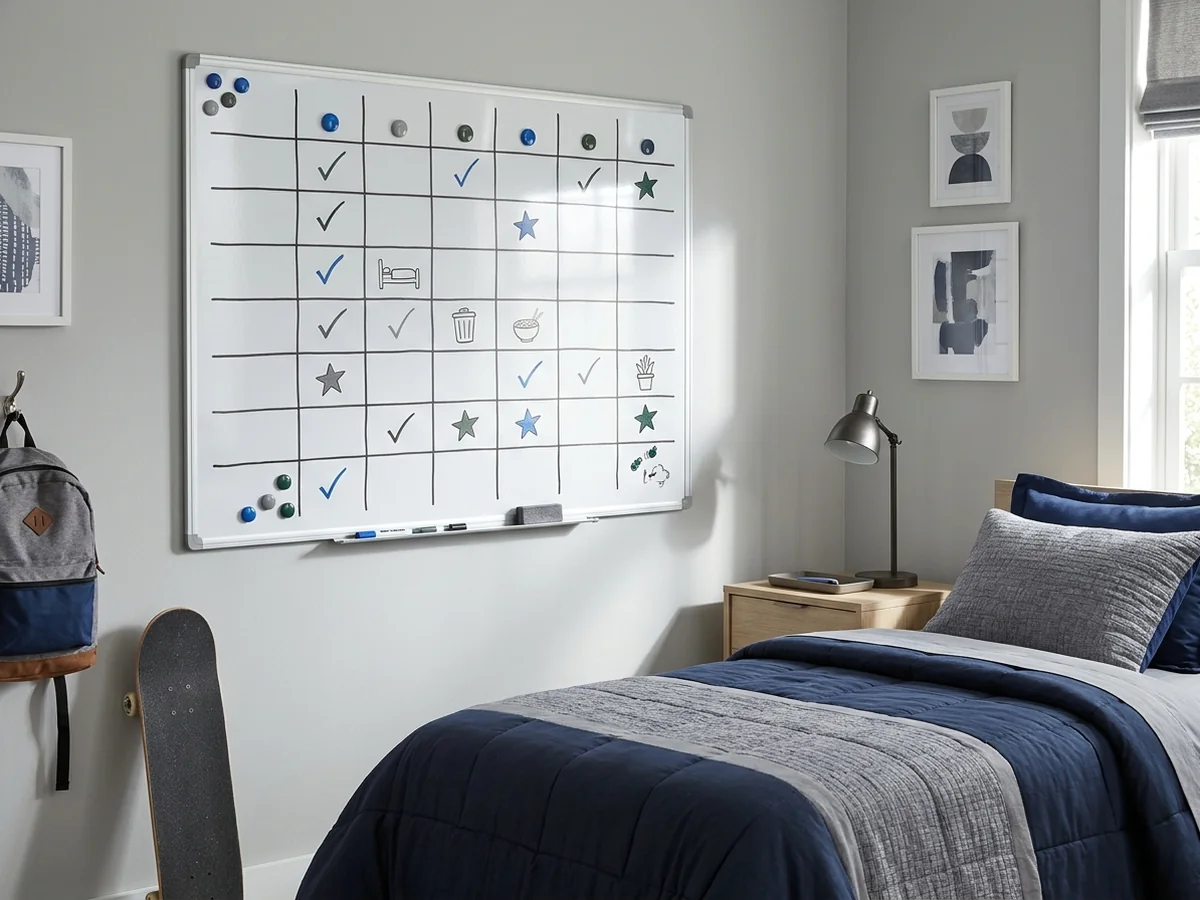
Motivating an adolescent without starting a daily shouting match requires setting clear expectations upfront and relying on supportive behavioral patterns. When expectations are concrete and predictable, teenagers understand the exact standard without feeling micromanaged. Outline bedroom requirements during a calm moment rather than mid-argument so everyone agrees on the definition of clean. This proactive approach supports healthy adolescent development by turning abstract parental requests into distinct, manageable tasks.
Understanding how to motivate a teenager to clean their room starts with recognizing the practical realities of adolescent executive functioning chores. During the teenage years, the brain areas responsible for planning, organization, and prioritizing are still developing. Because of this neurological growth, teens often feel genuinely overwhelmed by a messy space and lack the internal roadmap needed to fix it. Breaking the room down into smaller sections, such as clearing the desk on Monday and dealing with laundry on Tuesday, prevents cognitive overload and helps them get teen boy to clean room spaces effectively without freezing up.
Shaping long-term habits relies heavily on positive reinforcement rather than constant reminders or harsh penalties. Acknowledging small wins builds neural pathways that encourage cooperation over time. Behavioral psychology shows that noticing when a teenager handles a task well makes them far more likely to repeat that behavior willingly. For example, offering specific praise for a freshly organized closet reinforces competence rather than focusing on past mistakes.
Aligning cleaning incentives with what actually matters to adolescent boys guarantees better buy-in from your son. Connecting completed tasks to things he values, such as weekend screen time or social outings, gives him a direct stake in the outcome. Using a visible chore chart or checklist system also removes the need for verbal nagging, allowing him to track his own progress independently.
A common mistake parents make is jumping in to finish the job or changing the rules after the work is done. Consistency is critical for building independent life skills. Stick to agreed-upon consequences and rewards, and let natural outcomes teach responsibility. When parents step back from micromanaging, teenagers have the space to practice self-regulation and take true ownership of their personal living areas.
De-escalating Power Struggles and Managing Defiant Attitudes
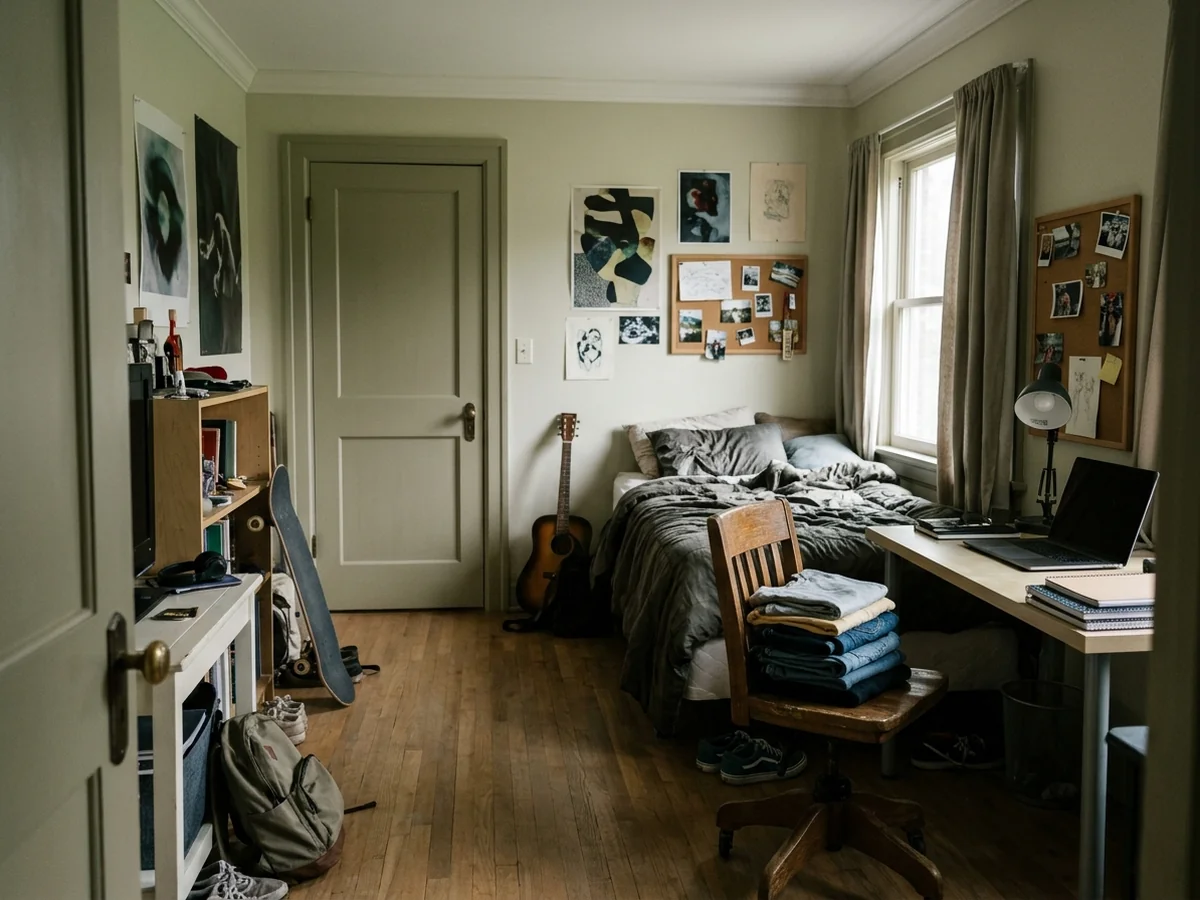
Managing ongoing power struggles requires recognizing emotional escalation early and responding with calm communication instead of matching a teenager’s anger. Defiance often spikes when expectations feel overwhelming or sudden, which turns a basic tidy-up request into a major conflict. Understanding adolescent development helps explain why teenagers often react with resistance. When parents demand immediate compliance, a teen boy may experience a defensive spike because his developing brain is still learning how to process sudden demands and transitions.
Parents dealing with defiant teenager chores find success by lowering their tone and stepping back before an argument intensifies. Pausing the conversation gives both people time to reset. Shouting or issuing immediate threats usually triggers more resistance from adolescents who are trying to assert independence. Practical steps include walking away from the initial pushback, waiting until the emotional charge dissipates, and addressing the chore later when both parties are calm.
A very common mistake is lecturing, repeating demands, or negotiating in the middle of a heated argument. This dynamic only validates the struggle and teaches the teenager that defiance is an effective way to delay work. Establishing fair consequences that remain consistent and constructive helps keep expectations clear without breeding resentment. Natural outcomes work best when a teenager refuses to cooperate. If a bedroom remains cluttered by a designated time, privileges tied to household support, such as evening vehicle use or Wi-Fi access, can be paused until the task is complete.
Enforcing these rules without emotional charge removes the friction from the interaction. Calm follow-through teaches accountability much faster than arguing over a teen boy bedroom clutter psychology standpoint. When expectations are predictable and boundaries remain firm without harsh lectures, teenagers learn to navigate household responsibilities with significantly less friction.
Teach Lasting Cleaning Habits
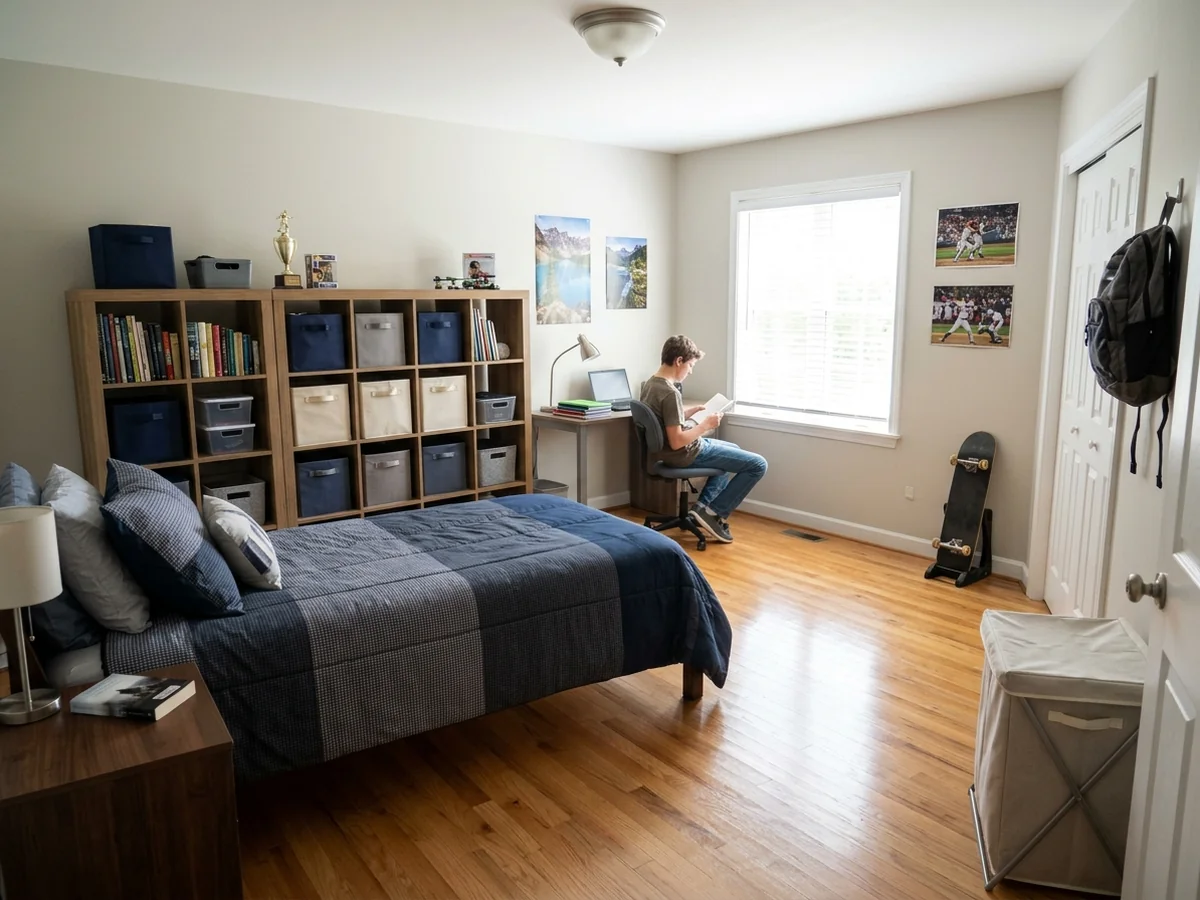
Fostering permanent bedroom maintenance requires connecting household chores to broader adolescent development and growing independence. When teenagers take charge of their own spaces, they build essential life skills that stretch far beyond the family home. Understanding adolescent behavior involves looking closely at adolescent executive functioning chores and supporting growing maturity rather than simply managing clutter.
Adolescent development relies heavily on strengthening executive function, which involves planning, prioritizing, and managing tasks. Parents can support this growth by guiding teenagers to set time limits for specific tasks rather than demanding an entire afternoon of cleaning. Breaking large chores into short intervals helps young adults manage their schedules effectively without feeling overwhelmed by the sheer scale of the mess.
Behavioral psychology shows that sustainable habits form when actions yield predictable, positive outcomes. Establishing consistent routines allows teenagers to internalize responsibility without constant reminders. Common guidance from family experts, such as approaches often discussed by professionals like Sara Bean, M.Ed., highlights the importance of keeping expectations clear and achievable. These foundational practices empower young adults to transition smoothly into managing independent living spaces in the future.
To put these concepts into practice, caregivers can follow several actionable steps:
- Define clear, specific zones in the bedroom instead of treating the room as one massive project.
- Set predictable time boundaries, such as a ten minute daily tidy, to build consistency.
- Use positive reinforcement to acknowledge completed tasks and reinforce the value of personal accountability.
A common mistake is stepping in to finish the job when progress slows down. Resisting this urge allows young adults to experience the natural consequences of their organizational habits, which cements long term behavioral changes.
Understanding why your son never clean his room often comes down to normal adolescent development and shifting priorities. Teenagers experience rapid brain changes that affect executive function, making it genuinely difficult for them to plan, organise, and execute multi-step tasks like tidying a massive space. When parents ask why does my son never clean his room, behavioural psychology points to a mix of overwhelm, lack of spatial awareness, and a normal push for autonomy. A massive messy bedroom rarely stems from laziness alone. Instead, it reflects a developing mind that prioritises social connection, hobbies, and downtime over visual order. Recognising this developmental gap helps parents stop taking the mess personally and start addressing the root cause.
Figuring out how to motivate a teenager to clean their room requires moving away from nagging and towards collaborative problem-solving. You can effectively guide your teen by breaking the overwhelming mess into smaller, manageable chunks, such as clearing the desk on Monday and tackling the floor on Tuesday. Using positive reinforcement and tying basic privileges to completed chores gives them a clear incentive to participate. Collaborative systems reduce daily power struggles and teach valuable life skills without turning the home into a battleground.
It is completely normal for a teenager to have a messy room as they navigate identity formation and independence. Adolescents use their bedrooms as a private sanctuary to express themselves, and a chaotic space often matches the internal whirlwind of growing up. While you do not have to accept unhygienic conditions like rotting food, tolerating a moderate level of clothes on the floor is a typical part of letting teenagers claim their own territory.
Frequently Asked Questions
Why does a messy room cause so much conflict between parents and teens?
Parents view a messy room as a sign of disrespect or laziness, while teenagers view it as a harmless personal space and a natural expression of autonomy. This fundamental mismatch in perspective turns a simple chore into a daily power struggle.
Should parents clean a teenager room for them as a punishment or help?
Cleaning the space for your teen removes natural consequences and teaches them that someone else will eventually fix their problems. It is much more effective to coach them through the process so they build independent life skills.
How can I tell if my teen room mess is a sign of a mental health issue?
Normal teenage clutter usually involves clothes and hobby gear, whereas concerning disorganisation includes rotting food, extreme withdrawal, and a sudden drop in personal hygiene. If you notice severe behavioural changes alongside the mess, consult a healthcare professional.
What are the best incentives to encourage a teenage boy to clean?
Teens respond best to privileges tied to completed tasks, such as access to Wi-Fi, car keys, or weekend outings. Establishing these boundaries early prevents arguments and gives them direct control over their rewards.
Conclusion
Transforming a cluttered space requires steady routines rather than overnight miracles. Success depends on maintaining patience, consistency, and clear communication while your teenager builds independent habits. When you apply these practical strategies to get teen boy to clean room spaces, you foster lifelong organizational skills and reduce daily household friction.
You might also like: 10 Washer Standpipe Overflow Solutions