42 Best Things To Declutter In Your Bedroom
Introduction
Finding the right things to declutter in bedroom spaces helps transform a chaotic sleeping area into a calm retreat. A messy room often makes for a messy mind, which is why clearing out unnecessary items creates a much more restful environment.
This guide covers forty-two specific items to remove, toss, or donate across your closets, nightstands, and dressers. You will find a practical, room-by-room checklist designed to help you methodically sort through clothes, old paperwork, and forgotten decor without feeling overwhelmed.
Why Decluttering Your Bedroom Transforms Your Sleep and Well-Being
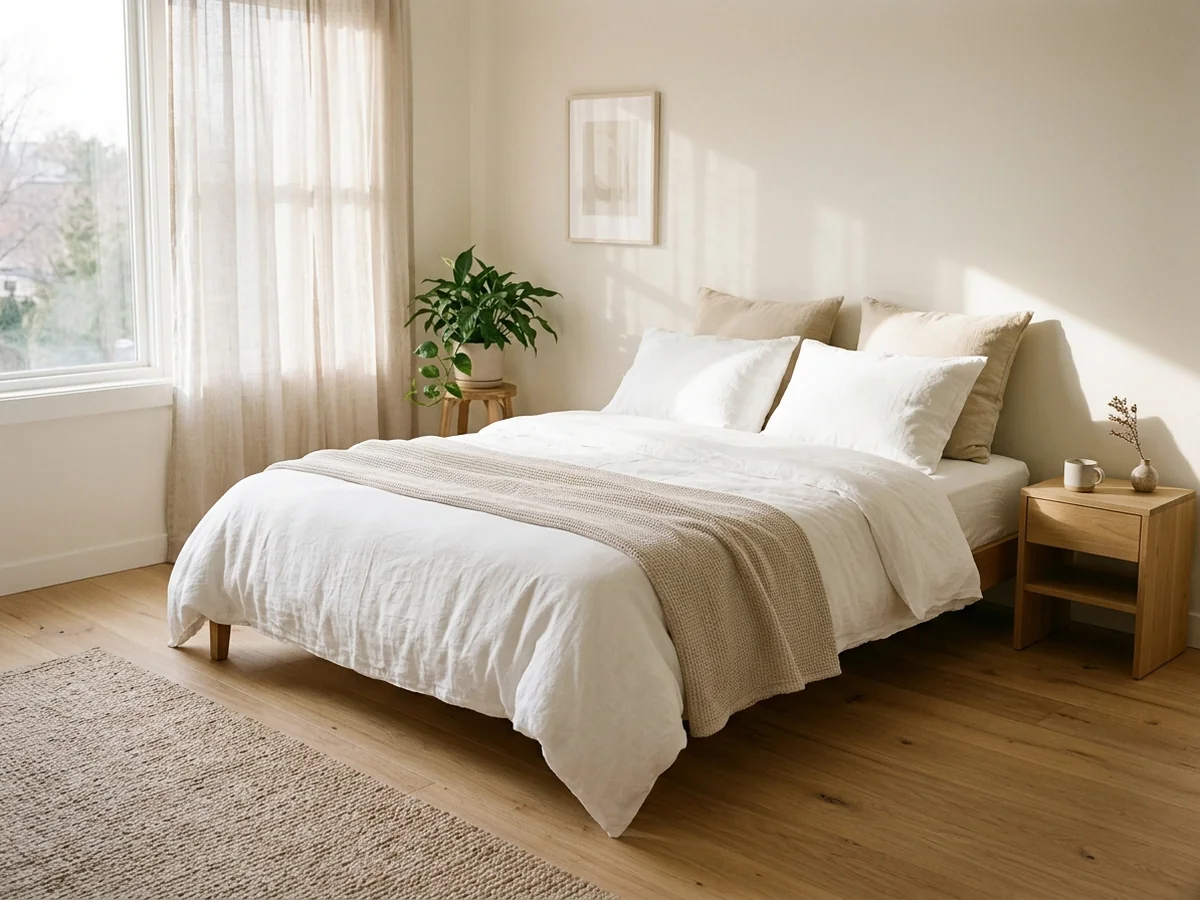
Clearing out excess items directly improves your sleep quality and mental wellness by removing visual distractions from your sleeping quarters. Common guidance often points out that a messy room makes for a messy mind, which rings especially true when you are trying to wind down at the end of a long day. When your surroundings are filled with stray items, unfinished paperwork, and general disorder, your brain continues to process unnecessary visual noise instead of resting. Homeowners and renters alike benefit from recognizing how physical chaos impacts daily relaxation.
Creating a restful, calming environment starts with intentional choices about what stays in your personal sanctuary. Many people struggle with sleep simply because their sleeping space doubles as a storage room for unwashed laundry, old electronics, and stray accessories. By addressing these pain points through a thoughtful bedroom organization plan, you remove the subtle stressors that trigger anxiety before bedtime. Surfaces that remain clear of random clutter allow your nervous system to finally relax.
How to Start Your Bedroom Reset
Establishing a dependable maintenance routine helps preserve this peaceful atmosphere long after your initial cleanup session ends. A structured approach prevents excess belongings from piling up again on your bedside table or overflowing from dresser drawers. When you follow a reliable declutter bedroom checklist, you can tackle your space zone by zone without feeling overwhelmed by the sheer volume of items. Instead of attempting to clear the entire room at once, focus on high-impact areas first.
Understanding the practical steps behind this transformation makes the process much more manageable. The key is to start small by focusing on visible spots like your bedside table or clothing racks before moving on to deeper storage solutions like under bed storage containers. Sorting items into distinct categories, such as keep, donate, and trash, prevents indecision from stalling your progress. A common mistake is trying to clean the entire room at once, which often leads to burnout and half-finished piles.
Targeting Hidden Chaos and Storage Zones
Maximizing your space requires looking beyond the obvious surfaces. Many bedrooms harbor forgotten items inside dresser drawers, behind closet organizers, or tucked away in storage bins. Taking a systematic, zone-by-zone approach ensures lasting results and a truly restful retreat. When learning how to declutter a bedroom quickly, separating items by category lets you move efficiently through the room without getting distracted by nostalgia or indecision.
For those figuring out how to declutter a small bedroom, utilizing vertical space and hidden compartments becomes essential. Incorporating simple bedroom organization ideas, such as clearing out unwanted cosmetics, managing out-of-season clothing, and utilizing discrete storage benches or clothing racks, keeps floor space open. Taking these practical steps transforms a chaotic resting area into a serene, intentional space designed for deep rest and recovery.
Bedding and Linens
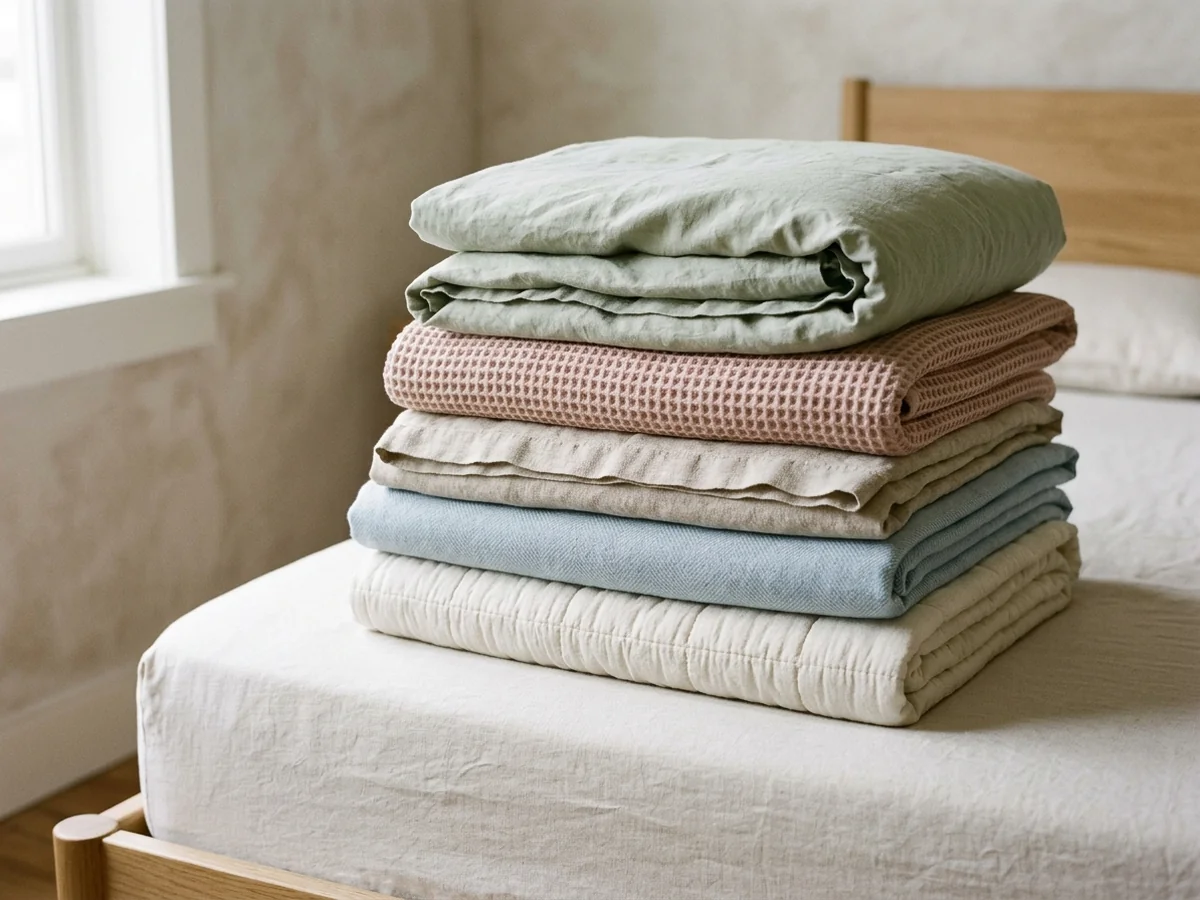
Managing excess sheets, duvet covers, and spare blankets starts with a clear sorting system to figure out how to declutter a bedroom quickly without feeling overwhelmed. You can streamline the process by applying a keep, donate, and trash method to every textile you pull from closet organizers, storage bins, or dresser drawers. Common guidance suggests that a messy room creates a cluttered mind, according to Lisa Artis, deputy CEO of The Sleep Charity. This makes a thorough linen refresh an essential step toward a restful sanctuary. Take a systematic approach by handling one shelf at a time, evaluating the condition of every pillowcase and extra quilt you own.
When tackling your bedding, homeowners often make the mistake of holding onto every single set they have ever purchased, even if the fabric is thin or does not fit their current mattress. To avoid this trap, evaluate each item objectively. If you have not used a specific duvet cover in over a year, or if it no longer matches your updated decor, it is time to let it go. Make use of storage bins for seasonal blankets you genuinely rotate, but keep your active rotation lean.
- Keep only matching sheet sets and seasonal blankets that you actually use throughout the year.
- Inspect spare duvets and comforters for permanent stains, rips, or thinning fabric before deciding their fate.
- Box up gently used quilts and pillowcases that no longer match your decor to drop off at a nearby donation center.
- Discard worn-out or heavily frayed towels and bedsheets that are too damaged for anyone else to enjoy safely.
- Wash and fold the items you are keeping immediately so they return to your rotation in pristine, ready-to-use condition.
Once you narrow down your collection, returning the remaining textiles to your space requires smart planning. Group matching sets together by folding the flat sheet, fitted sheet, and one pillowcase inside the second pillowcase to keep stacks neat and unified. This small habit prevents mismatched pieces from scattering across your shelves and ensures you can figure out how to declutter a small bedroom when space is at a premium.
Items 1 Through 10: Wardrobe, Closet Organizers, and Hanging Rails
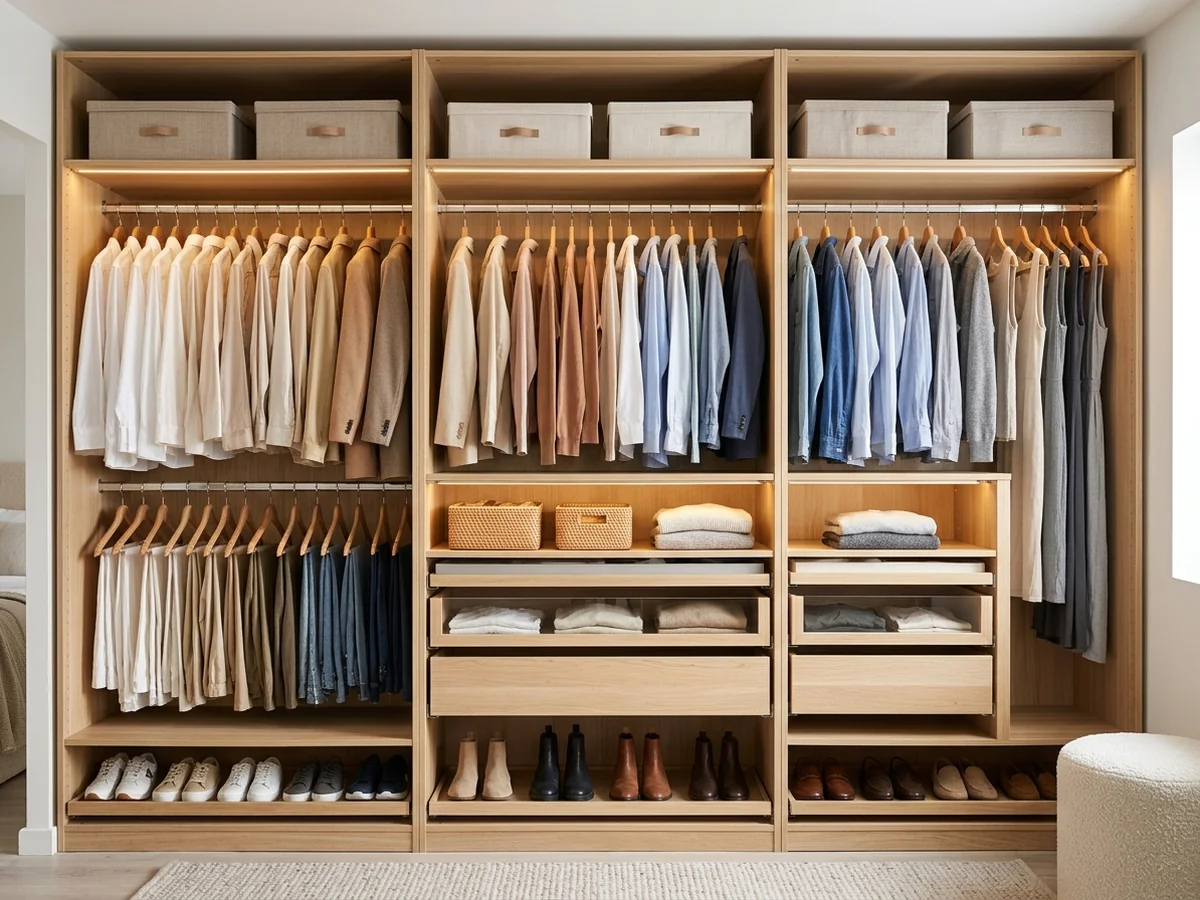
Your wardrobe forms the core of your sleeping space, and tackling it starts with pulling out garments you never wear. Worn-out socks, single socks missing their pairs, and ill-fitting garments take up valuable real estate without serving any purpose. Sorting through your hanging space lets you identify what to keep and what to donate, clearing the way for a more intentional sleeping environment. As noted in common sleep and wellness guidance, a messy room makes for a messy mind, which highlights why clearing out hidden storage zones creates a more restful atmosphere.
Sorting Hanging Space and Garments
When working through your closet, separating items into distinct piles helps streamline the process. You can use a bedroom organization ideas approach by sorting your garments into keep, donate, and trash categories. Emptying your clothing racks completely allows you to evaluate every single piece without the distraction of a packed closet.
Here are ten specific wardrobe items and storage elements to target first:
- Discard worn-out socks with holes, stretched-out elastic, or missing partners that just sit in the drawer taking up space.
- Clear out ill-fitting garments that no longer match your current size, style, or lifestyle needs.
- Donate unwanted clothing items that still look nice but have hung untouched in your wardrobe for over a year.
- Manage out-of-season clothing by moving heavy winter coats or summer swimwear into protective storage bins so your active hanging space stays open.
- Utilize closet organizers like hanging shelf dividers and slim cascading hangers to maximize vertical room inside cramped wardrobes.
- Install wall-to-wall curtains in front of open storage rails to instantly hide visual clutter and give the room a softer, tailored appearance.
- Empty out old promotional t-shirts and leisurewear that you only wear for painting or heavy cleaning projects.
- Remove damaged belts, scuffed accessories, and broken garments that cannot be easily repaired.
- Sort through duplicate items such as basic white tees or identical black sweaters to keep only your absolute favorites.
- Clear out shoes that pinch, rub, or show deep signs of wear and tear, freeing up valuable floor space on your closet shelves.
Common Mistakes in Wardrobe Decluttering
A frequent error when addressing things to declutter in bedroom spaces is holding onto items simply because they were expensive or represent a past phase of life. Storing clothes that no longer fit creates unnecessary daily friction. Letting go of these items opens up room for pieces you actually enjoy wearing.
Managing Out-of-Season Items
If you are figuring out how to declutter a bedroom quickly, dealing with seasonal wardrobe overflow is a major milestone. Keeping heavy winter coats mixed with lightweight summer blouses creates immediate chaos. Moving off-season gear to alternative storage zones keeps your main wardrobe functional and easy to navigate throughout the year.
Items 11 Through 20: Dresser Drawers and Hidden Storage Banish Benches
Dresser drawers and storage furniture often harbor neglected garments and miscellaneous items that quietly disrupt your daily routine. A messy room frequently contributes to a restless mind, as noted by guidance from organizations like The Sleep Charity. Tackling these specific zones is an essential part of following any reliable declutter bedroom checklist because hidden compartments quickly accumulate items you no longer use.
Start your sorting session by emptying one drawer completely. Pull out old undergarments with stretched out elastic, tangled necklaces, earrings that lost their backs, and forgotten single socks lurking in the deep corners. Separating categories effectively prevents chaos from returning to your storage furniture. Once you clear out the unnecessary items, evaluate what remains and group similar pieces together.
Managing Dresser Drawers and Small Accessories
Deep dresser drawers easily turn into catchalls for items that lack a clear home. When working through a rapid bedroom cleanup session, focusing on these compartments makes an immediate visual impact. Empty every single drawer onto a flat surface and sort the contents into keep, donate, and trash piles. Discard worn out hosiery and single earrings, then use storage bins to keep the remaining socks, belts, and undergarments separated neatly.
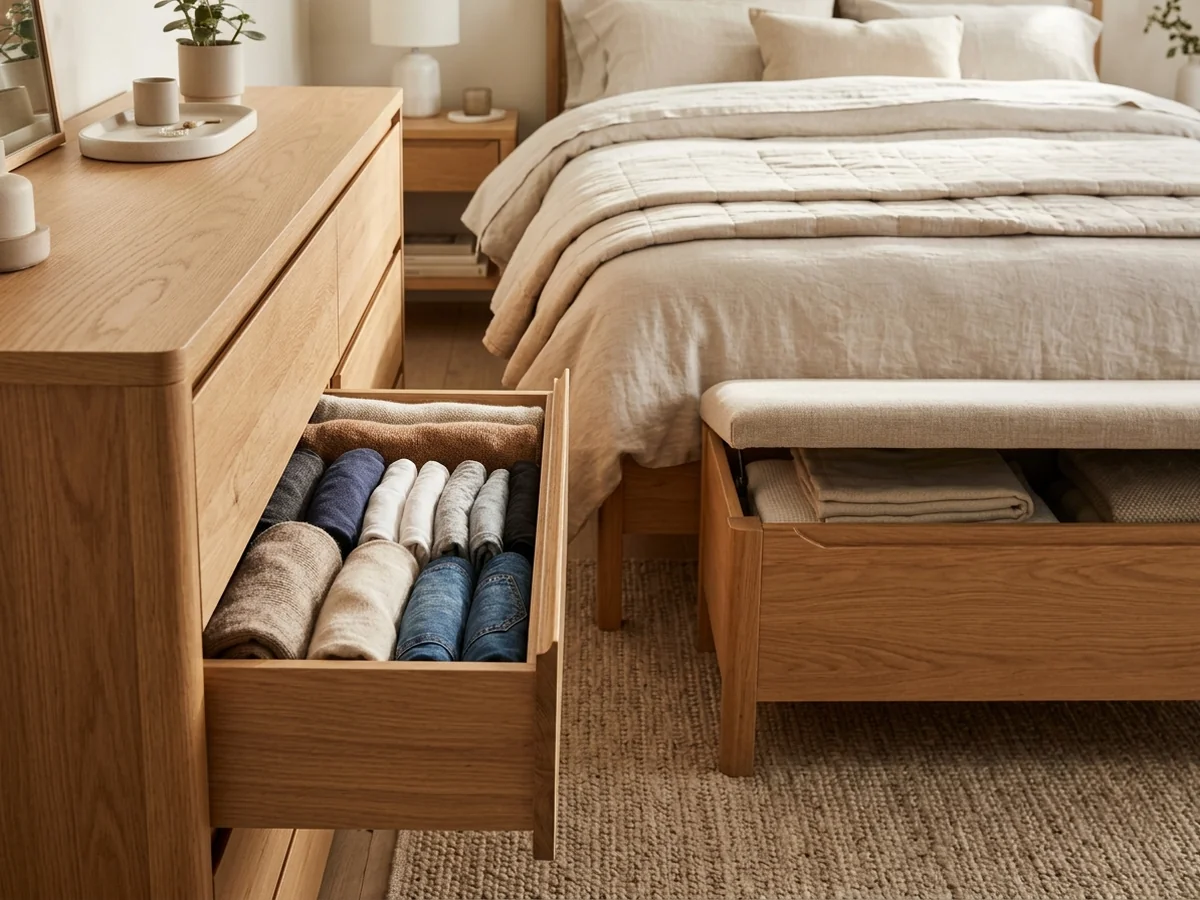
Utilizing Hidden Storage Benches Effectively
Storage benches at the foot of the bed or in a reading corner provide functional space, but they frequently collect duplicate bedding, seasonal pillows, and miscellaneous clutter. Inspect your hidden compartments to see what is actually being used. If you find extra blankets that you never touch, consider dropping them off at a local donation center. Keep the remaining items organized so you do not have to dig through piles every time you need something.
To maximize your hidden storage benches and dresser compartments, practical steps include the following:
- Target out of season garments that take up valuable space in your main drawers, and relocate them to alternative spots.
- Utilize storage bins inside deep dresser drawers to keep smaller accessories, socks, and belts strictly separated.
- Inspect hidden storage benches for extra blankets and pillows that you rarely use, donating duplicates to a local donation center.
- Make proper use of under bed storage for bulky seasonal items, keeping them enclosed in zippered fabric bags to block dust.
- Avoid the common mistake of simply shoving loose items into drawers without a plan, which only creates hidden messes.
When you take time to organize these hidden areas, you create a more functional environment that supports better rest. Pair these techniques with proper closet organizers to maintain your progress long after you finish your initial cleanup.
Items 21 Through 30: Bedside Tables, Cosmetics, and Personal Care Products
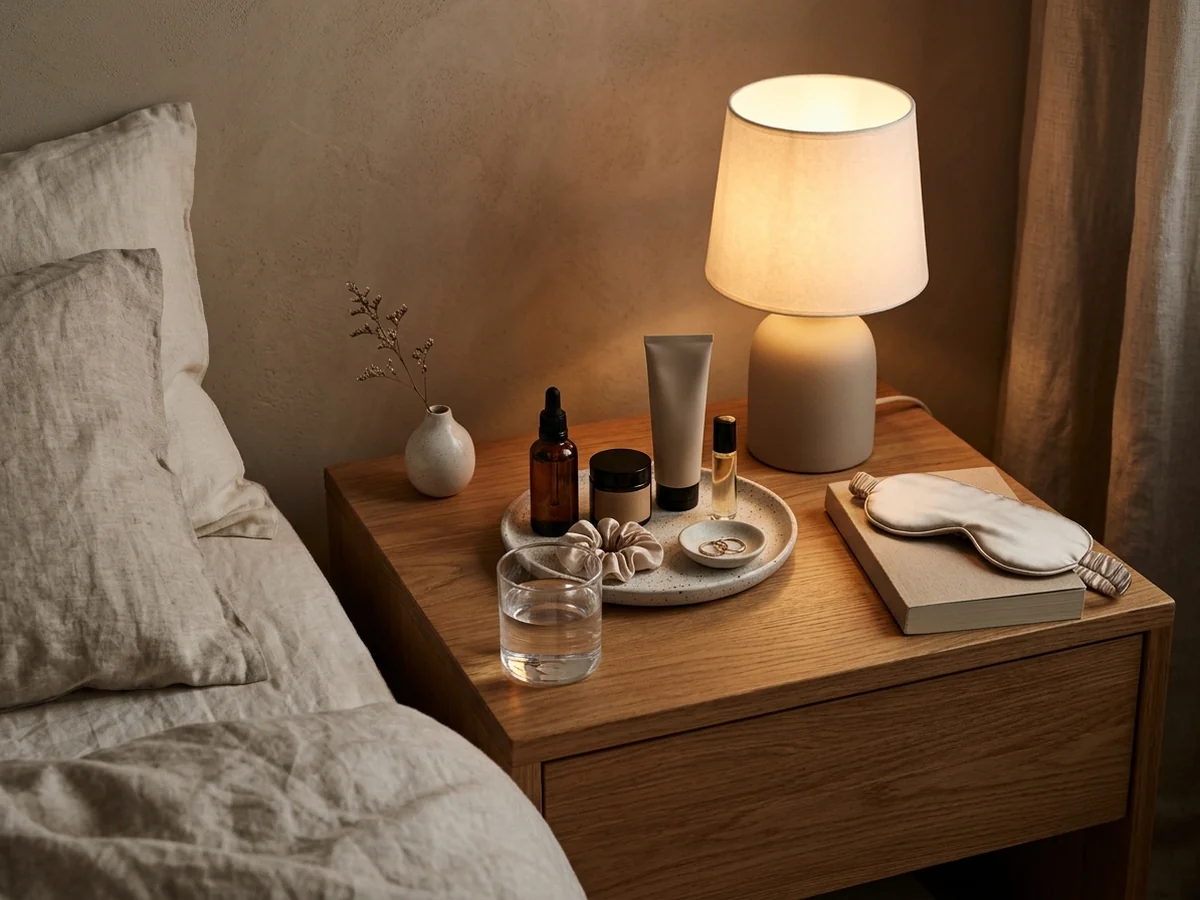
Clearing out the items you keep right beside your bed and sorting through your personal care supplies creates an instantly calmer atmosphere in your sleeping space. Common guidance suggests that a messy room contributes to a cluttered mind, according to perspectives shared by Lisa Artis of The Sleep Charity, making these high-use surfaces the ideal next step for your cleanup project. Removing excess items from your sleeping zone helps you unwind at the end of the day without visual distractions. When you approach your bedroom organization ideas with a clear system, focusing on surfaces like your bedside table and dresser drawers prevents clutter from creeping back in.
To tackle this section efficiently, gather a sorting bin and follow a simple three-step method for every item you touch: keep, donate, or trash. Start by clearing off the top of your nightstand completely, wipe down the surface, and only return essential items that support your nightly routine. For personal care products, check ingredient labels and expiration dates carefully before deciding what stays.
- Old receipts and crumpled pieces of paper that collect on your bedside table belong in the recycling bin or shredder immediately.
- Accumulated books you finished months ago or never plan to read should return to the main bookshelf or a donation center.
- Trash, wrappers, and empty water glasses left on your nightstand need to go straight to the kitchen.
- Expired skincare products and outdated lotions sitting on your dresser lose their effectiveness and take up valuable space.
- Unwanted cosmetics and beauty items that you no longer use or like can be safely tossed out.
- Dried-up nail polishes that separate or fail to mix properly should be discarded according to local guidelines.
- Unopened samples of face creams or shampoos that you received in subscription boxes and never tested should be given away or recycled.
- Old hair ties, bobby pins, and broken clips scattered across vanity surfaces can be gathered into a single small container or tossed.
- Single-use sheet masks or trial packets that have expired or sat forgotten in a drawer for over a year should go into the trash.
- Dusty perfume bottles with fragrances that have turned sour or changed color over time no longer belong on your display tray.
A common mistake during this phase is keeping half-used beauty products out of guilt rather than practicality. If a lotion smells strange or a foundation separates, it is time to let it go. Maintaining a clutter-free nightstand and dresser top supports a restful routine, leaving you with a serene space to rest at night.
Items 31 Through 42: Tech, Paperwork, Decor, and App Clutter

Clearing out old technology, excess accessories, and digital distractions helps restore a calm sleeping environment. Common guidance from sleep experts, including Lisa Artis, deputy CEO of The Sleep Charity, notes that a messy room contributes to a cluttered mind, making it essential to target these final zones when working to transform the look and feel of your sleeping space.
Why do these items linger? Nightstands naturally attract stray cords, old mail, and forgotten devices because they sit right at hand height. Tackling this final stretch of your declutter bedroom checklist requires looking closely at both physical items and hidden digital distractions that interfere with rest.
- Remove old electronics, broken charging cables, and dead batteries that simply take up space on your nightstand.
- Recycle outdated paperwork, old bills, and unread magazines stored near the bed.
- Pack away excess decorative accessories, heavy knick-knacks, and unused throw pillows that make the room feel visually crowded.
- Audit your smartphone by deleting unused sleep tracking and noisy alarm apps that cause nighttime screen time.
- Clear out old framed photos or art prints that no longer match your design style.
- Consolidate loose digital accessories and put working cords in a designated drawer.
- Gather tangled headphone wires and obsolete adapters, then sort them into a recycling bin.
- Clear out expired coupons, old greeting cards, and instruction manuals stuffed into bedside table drawers.
- Remove excess candles, dried floral arrangements, and decorative trays that crowd flat surfaces.
- Delete redundant photo albums and duplicate screenshots clogging your phone storage.
- Take down wall art or mirrors that feel heavy or out of place.
- Clear out unused smart home gadgets that you no longer plug in or use.
A common mistake during this phase is simply moving tech cords and paperwork from the bedside table into dresser drawers without sorting them. Instead, evaluate each item honestly. Applying practical steps to these overlooked items leaves you with a truly restful retreat, ensuring your physical space and your phone stop disrupting your rest.
Old Books and Magazines
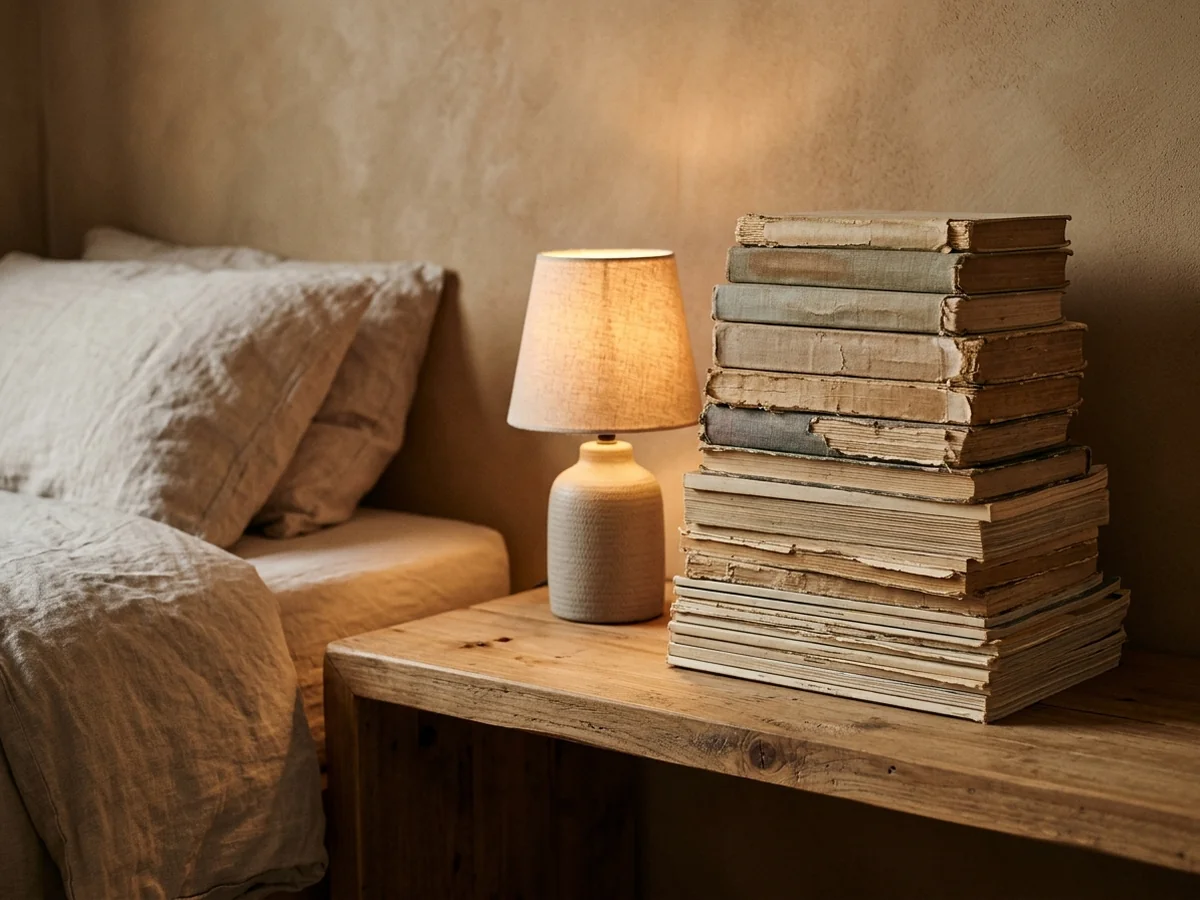
Old books and unread magazines piling up on your bedside table or shelves are prime candidates for removal when sorting personal items. Reading material you have already finished or no longer want takes up valuable space and collects dust. When learning how to declutter a small bedroom, dealing with heavy stacks of paperbacks is one of the most effective ways to free up physical space quickly.
Start by gathering every paperback, novel, and periodical scattered across your resting quarters. Look through nightstand drawers, bookshelves, and the floor. Sort these items into clear piles based on your attachment and future plans. Keep only the volumes you actively reference or plan to read very soon.
Decide what to do with the excess reading material you are ready to let go of. Many local libraries, donation centers, and community book exchanges happily accept gently used copies. Streamlining your resting space effectively means being realistic about your reading habits. Keeping stacks of old paperbacks rarely leads to actually reading them, especially in a compact sleeping area.
Common mistakes during this process include holding onto textbooks or novels out of guilt even if you will never open them again. Another frequent pitfall is letting magazines accumulate indefinitely. If you have not read an issue in months, it is time to recycle it or donate it. Experts in home organization note that clearing out visual clutter supports mental clarity and a more restful atmosphere.
Maximize vertical space if you choose to keep a select few favorites. Tall, narrow shelving units hold books upward rather than taking up precious floor space. Select multifunctional furnishings to handle overflow if necessary. Storage ottomans and benches with lift-up lids provide hidden compartments to keep remaining volumes out of sight while maintaining a neat and orderly sleeping environment.
Establish consistent organization habits to maintain long-term tidiness after clearing out the clutter. Adopt a one-in, one-out rule whenever you bring a new publication into your sleeping sanctuary. This prevents old paperbacks from overwhelming your bedside table and ensures your personal space stays serene and functional.
Frequently Asked Questions About Bedroom Decluttering
How do I start decluttering my bedroom without feeling overwhelmed?
Begin by tackling one small zone at a time, such as a single drawer or your bedside table, rather than the entire room at once. Setting a timer for fifteen minutes helps build momentum without causing fatigue. Sorting items into distinct piles for keep, donate, and trash makes decision making much simpler.
What things should be permanently banished from the sleeping quarters?
Work-related paperwork, old bills, and excess electronics do not belong in a restful space dedicated to sleep. Expired cosmetics, broken decor, and clothes that no longer fit should also be removed permanently. Common guidance suggests that a tidy sleeping environment supports a clearer, calmer mind.
How can I use hidden storage effectively in a bedroom?
Utilizing the empty space underneath your bed is one of the easiest ways to tuck away out-of-season clothing and extra bedding. Storage bins and sliding drawers fit seamlessly into these overlooked areas to keep floors clear. Secret storage benches placed at the foot of the bed offer another smart spot for bulky blankets.
What should I remove from my bedside table right now?
Clear off old reading glasses, empty water glasses, and stacks of unread books that have piled up over the weeks. Keep only your essential night-time items on the surface, such as a lamp and a single alarm clock. Relocating phone chargers and random trinkets to dresser drawers instantly creates a lighter look.
Where should unwanted bedroom items go once sorted?
Usable clothing, books, and home accessories can be packed into boxes and dropped off at a local donation center. Broken items, expired beauty products, and stained textiles belong straight in the trash or recycling bins. Clear bags make it easy to separate donations from household waste before you take them out.
Conclusion
Following a structured bedroom organization strategy creates a noticeably calmer and more restful sleeping space by removing physical distractions. Common guidance suggests that a tidy room supports a clearer mind, helping you unwind effectively at the end of the day. Take your first small step today by picking one drawer or surface from your room preparation plan. Tackling just a few things to declutter in bedroom spaces builds immediate momentum toward a peaceful home environment.
You might also like: How to Declutter Your Home in 30 Days