10 Minute Kitchen Cleaning Checklist
Introduction to the 10 Minute Kitchen Cleaning Checklist
A 10 minute kitchen cleaning checklist gives busy homeowners, parents, and renters a practical solution for maintaining a tidy space through a fast kitchen cleaning routine. You can keep surfaces orderly with minimal effort when your schedule is packed.
This guide establishes the realistic scope of a ten minute tidy up focused strictly on speed and efficiency rather than deep cleaning. It covers quick surface clearing and targeted sweeping so you can reset your room rapidly.
Essential Tools and Supplies for Rapid Kitchen Tidy Ups

Equipping yourself with the right products before starting a rapid kitchen cleanup prevents wasted motion and keeps the entire process moving smoothly. Having everything within arm’s reach ensures you spend your time scrubbing and wiping rather than searching cabinets for missing supplies. According to Leanne Stapf, Chief Operating Officer at The Cleaning Authority, proper preparation is key to maintaining efficiency during a fast kitchen cleaning routine. Gathering a specific set of items will dramatically cut down your overall cleaning time and support your daily kitchen cleaning checklist goals.
When executing a 10 minute kitchen cleaning checklist, having your supplies in a portable caddy or bucket saves valuable seconds. Instead of walking back and forth to supply cupboards, keep your core products grouped together. This preparation phase is especially useful if you are figuring out how to clean kitchen fast before guests arrive or at the end of a busy weekend.
Gathering a specific set of items will dramatically cut down your overall cleaning time:
- Dish soap helps cut through grease on plates and cookware quickly.
- White vinegar works well for cutting grime on various hard surfaces.
- An all purpose cleaner handles everyday counter smudges and food splatters with ease.
- Baking soda acts as a gentle abrasive for stuck-on food in the sink and stovetop.
- A microfiber cloth traps dust and particles efficiently without scratching delicate finishes.
- A laundry basket lets you scoop up stray items that belong in other rooms in one go.
- A broom clears up floor debris rapidly once the counters are finished.
A common mistake during a quick tidy is stopping to put away items that belong in entirely different rooms. Using a laundry basket solves this problem by keeping stray items out of your way immediately instead of slowing you down with multiple trips. Grabbing a broom at the same time lets you quickly corral floor debris without stopping your momentum. This targeted preparation ensures you can complete your swift kitchen refresh without unnecessary delays.
Minute by Minute Breakdown of the 10 Minute Kitchen Cleaning Checklist
Maximizing speed requires a strict minute-by-minute workflow that sequences tasks logically from clearing surfaces to managing the sink and floors. Keeping a rapid pace prevents distractions and ensures every second counts when working through a fast kitchen cleaning routine. This structured approach helps busy homeowners, parents, and renters maintain a tidy space with minimal time investment, making it an ideal strategy for a weekend reset or a busy weeknight.
Follow these steps to complete the process efficiently:
- Minutes zero through two involve gathering stray items that do not belong in the room. Place mugs, mail, toys, or shoes into a laundry basket to deal with later, which stops you from walking back and forth to other rooms.
- Minutes two through five focus on clearing the sink. Load dirty dishes directly into the dishwasher, or run hot water and dish soap to soak stubborn cookware so you can address it after the ten minute timer ends.
- Minutes five through eight require spraying countertops and the stovetop with an all purpose cleaner. Wipe them down rapidly with a microfiber cloth, moving in wide patterns to capture crumbs and spills efficiently. For stuck grease on the stove, a light sprinkle of baking soda can speed up the process.
- Minutes eight through ten conclude the session by sweeping debris off the floor into a dustpan using a broom, then emptying the trash can if needed.
A common mistake during this rapid reset is lingering in one spot, such as hand-washing a single pan or organizing a single drawer. To stay on track, keep your supplies close at hand and leave deep cleaning tasks for another day. Leanne Stapf serves as Chief Operating Officer at The Cleaning Authority, noting that structured routines help maintain household order without overwhelming your schedule. Sticking strictly to the time blocks ensures your kitchen looks presentable in ten minutes or less.
Speed Cleaning Workflow Rules

An efficient rapid kitchen straightening routine relies on applying ergonomic principles to kitchen cleaning, moving in a continuous circular motion around the room to eliminate wasted steps. You avoid backtracking across the floor by circling the perimeter once from start to finish, treating every physical motion with purpose so your body mechanics match the natural layout of the room. This approach supports busy homeowners, parents, and renters who need practical tips to maintain a tidy kitchen with minimal time investment.
Strategic tool selection and placement ensure rapid surface wiping without constantly reaching across appliances. Keeping your supplies close at hand prevents unnecessary delays when you need to know how to clean kitchen fast. When you streamline your physical economy of movement, you maintain high speed throughout rapid chores without wearing yourself out. Professional efficiency stems from eliminating hesitation and keeping your workflow continuous from the first counter to the final floor sweep, a concept highlighted by Leanne Stapf, who serves as Chief Operating Officer at The Cleaning Authority.
Ergonomic Setup and Tool Caddy Strategy
To implement this workflow successfully, you must avoid common mistakes such as carrying loose items by hand, which forces you to stop and walk back and forth. Another frequent error is holding supplies in your non dominant hand, which slows down your friction wiping pace. Setting up your workspace correctly before you start makes a major difference in your total time during a rapid kitchen straightening routine.
- Place all cleaning agents and a microfiber cloth in a portable caddy before you begin.
- Keep your primary cleaning cloth in your dominant hand for frictionless wiping.
- Position spray bottles and dish soap on counters just ahead of your planned path.
- Park your laundry basket near the entryway to collect stray items that belong in other rooms.
Managing Stray Items and Surface Pacing
Weekend maintenance often requires quick attention when unexpected guests arrive or when clutter piles up after meal preparation. Instead of carrying items individually to different rooms, drop them into a centrally located laundry basket as you circle the perimeter. This single habit eliminates extra footsteps and keeps your focus entirely on the 10 minute kitchen cleaning checklist execution.
Following these practical steps turns a chaotic daily kitchen cleaning checklist into a smooth physical routine. By keeping your tools staged and your movements circular, you finish the entire space before the timer runs out, leaving surfaces ready for everyday use.
Clearing and Resetting the Sink and Countertops
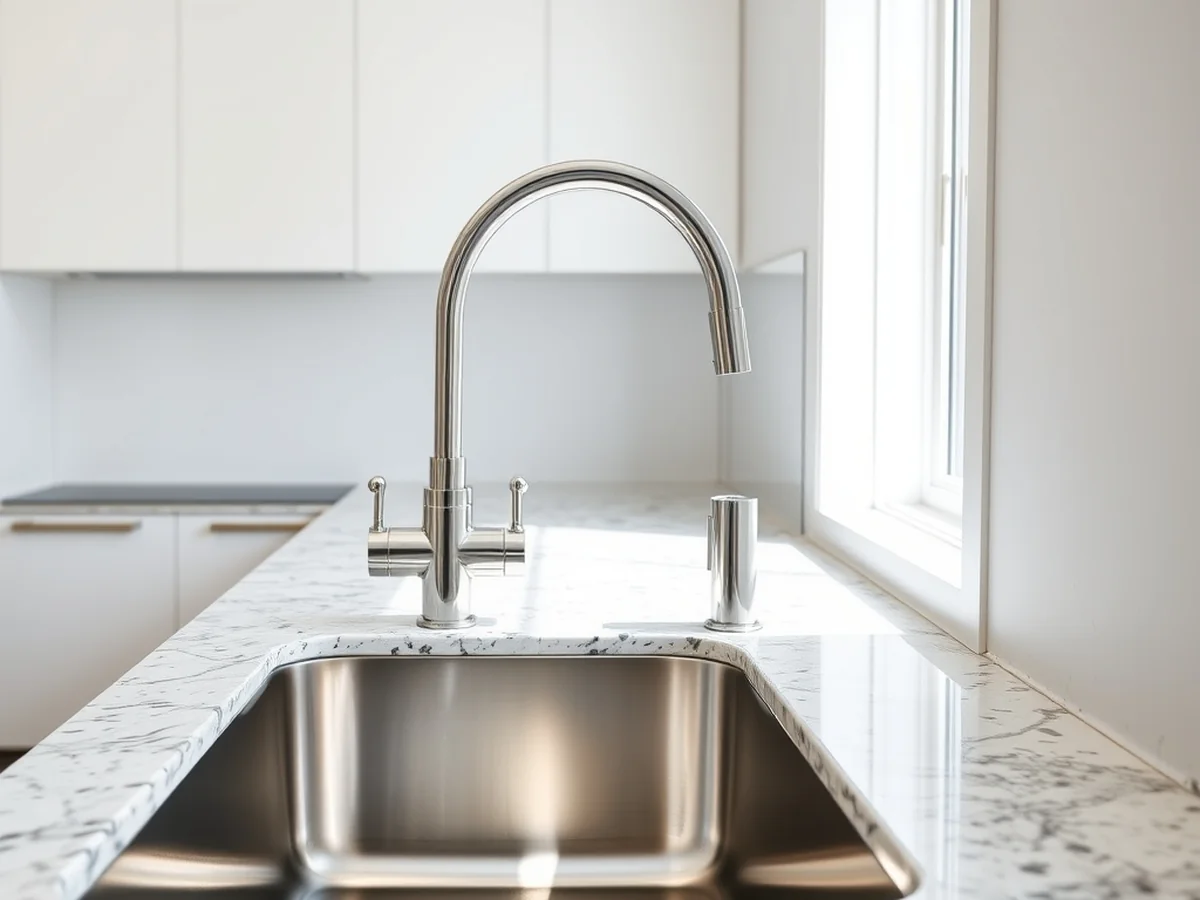
Clearing the sink and wiping the main surfaces forms the foundation of any efficient 10 minute kitchen cleaning checklist because it instantly removes visual clutter. Speed matters during this phase, so focusing solely on the core food prep zones keeps the momentum going without wasting time on detailed scrubbing. Busy homeowners, parents, and renters often struggle to maintain a tidy kitchen when time is limited, but establishing a rapid tidying method helps restore order in minutes.
Start by addressing the basin and any stray cookware sitting on the counters. Loading the dishwasher immediately clears the workspace, while filling the basin with hot water and dish soap tackles any remaining items that require hand washing. For items that do not belong in the kitchen at all, place them into a laundry basket to relocate later without slowing down your progress. Once the sink area is clear, move directly to the surrounding surfaces to address crumbs, sticky spots, and food residue.
Using a Laundry Basket for Rapid Clutter Control
Clutter slows down cleaning more than actual dirt. Instead of walking back and forth to different rooms every time you spot a stray toy, mail, or shoes, keep a laundry basket nearby. Toss misplaced items into the basket as you clear the countertops. You can distribute the contents to their proper rooms after your kitchen is completely reset.
Systematic Surface Wiping
Having the right tools ready prevents unnecessary delays while moving across the room. Keep an all purpose cleaner and a microfiber cloth within arm reach to ensure maximum efficiency during your daily kitchen cleaning checklist execution.
- Gather all loose dishware from the countertops and place them directly into the dishwasher or the filled sink basin.
- Spray an all purpose cleaner across all exposed laminate, granite, or solid surface countertops to loosen dried food residue.
- Wipe the wet surfaces systematically from back to front using a damp microfiber cloth to trap dust and grease efficiently.
- Spray the stovetop with your cleaning solution and wipe away surface splatters while the counters finish drying.
- Rinse any remaining soap from the sink basin and wipe down the faucet handle to leave a polished finish.
Maintaining Fluid Motion for Speed
Leanne Stapf serves as Chief Operating Officer at The Cleaning Authority, and keeping motions fluid helps maintain this rapid pace. Working in a single direction across the room ensures you do not miss spots or recontaminate cleaned zones. Speed relies on continuous movement rather than applying heavy pressure to stubborn spots, allowing you to learn how to clean kitchen fast and effectively.
Managing Stray Items with the Laundry Basket Method
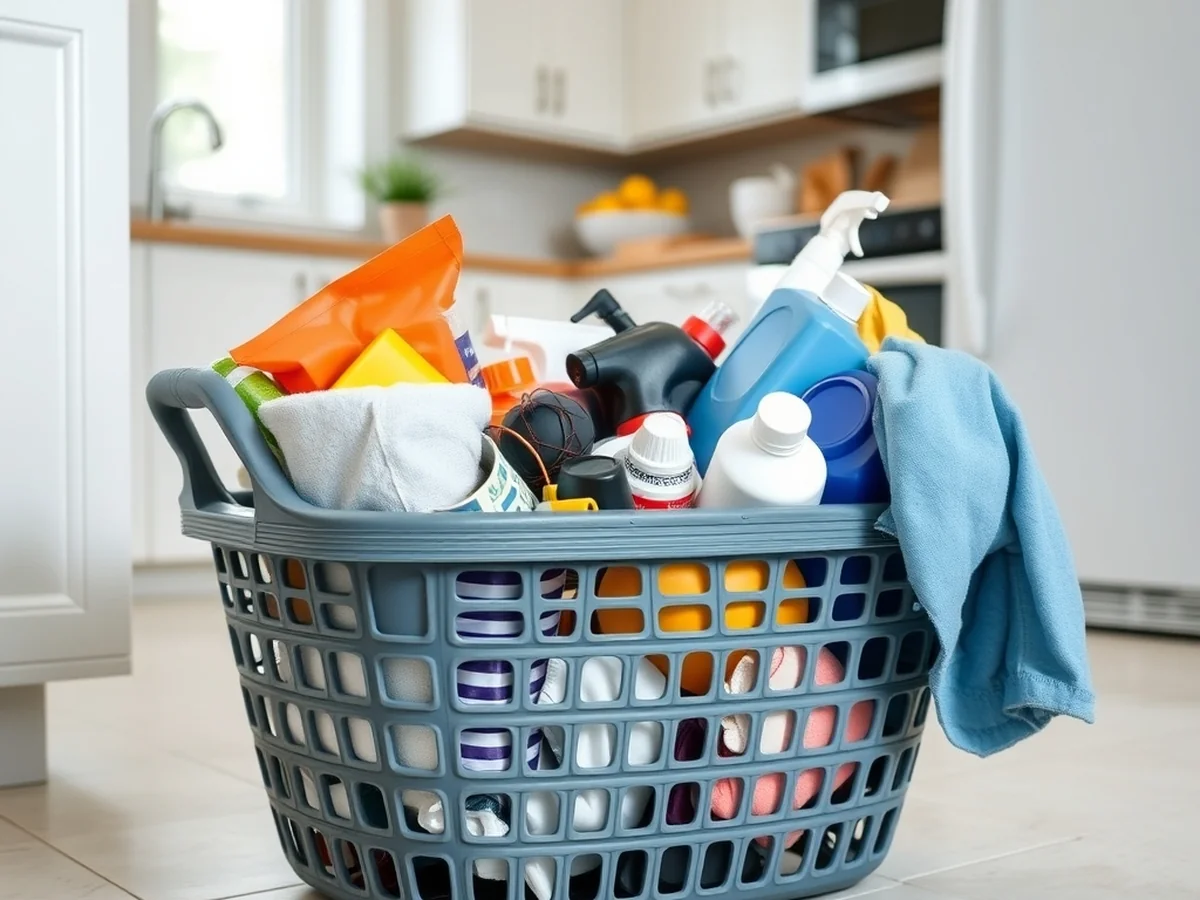
The laundry basket method manages stray items by collecting everything that does not belong in the room into a single portable container during your quick tidy up process. This strategy prevents you from walking back and forth to other rooms while the clock is ticking.
Counters and tables frequently accumulate mail, toys, shoes, and clothing throughout the day. Leaving those objects in place slows down your progress and clutters your workspace. Tossing them into a portable container keeps your momentum going without breaking your focus.
Grab a standard laundry basket and walk quickly around the space. Scoop up mugs from the living room, stray papers, and any other misplaced belongings in one swift pass.
Redistributing those items happens only after your primary kitchen maintenance tasks are finished. Taking care of the drop-offs at the end prevents interruptions that derail your schedule.
Walk through the house once your main chores are complete and drop off the contents of the container in their proper rooms. Emptying the container takes just a minute when done all at once.
Using a laundry basket protects your schedule because leaving the kitchen to put away individual items causes major delays. Every time you cross the house to return a single toy or piece of mail, you lose precious seconds and invite distractions. According to Leanne Stapf, Chief Operating Officer at The Cleaning Authority, keeping a structured workflow is essential for maintaining momentum during household chores.
A common mistake during this step is trying to put items away immediately as you find them. Resist the urge to walk down the hall every time you spot a stray book or shoe. Instead, treat the basket as a holding zone until your 10 minute kitchen cleaning checklist is fully completed. Another frequent error is overloading the basket with heavy items that slow down your walking speed. Keep the collection focused on lightweight clutter so you can move rapidly through the room without losing your pace.
Targeting Tough Stains with Baking Soda Methods
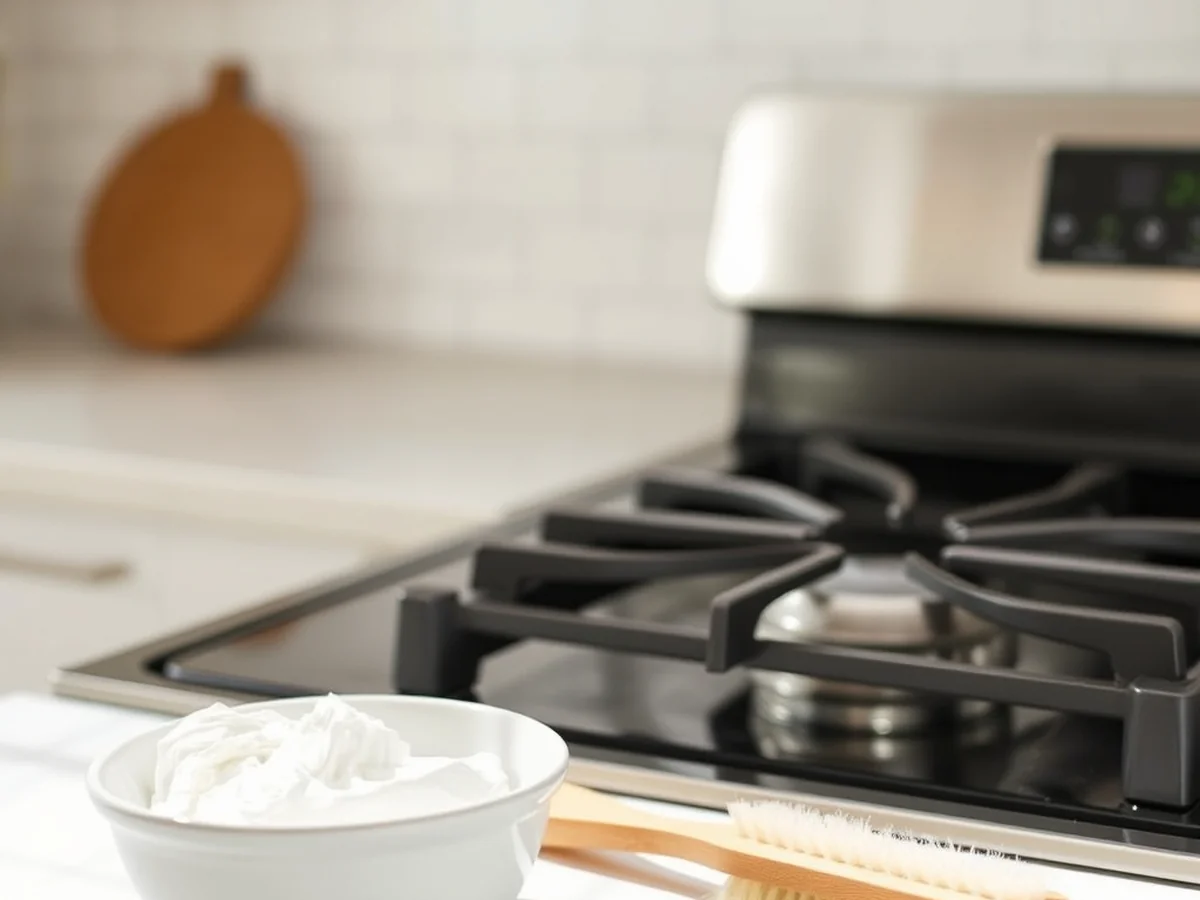
Stubborn stovetop grease and sink grime lift rapidly without harsh scrubbing when you treat them with a simple paste made from baking soda. This gentle mineral abrasive breaks down sticky residue naturally while protecting delicate surfaces from scratches during your speedy kitchen wipe downs. Professional cleaning guidance often highlights these natural agents for routine household maintenance, and Leanne Stapf serves as Chief Operating Officer at The Cleaning Authority.
You can also refresh countertops and appliance exteriors quickly by combining baking soda with white vinegar for a safe, fizzing reaction that loosens surface buildup. The mild bubbling action helps lift dried spills and neutralizes odors almost instantly without requiring heavy industrial chemicals. Incorporating this technique into your routine household chores keeps stubborn buildup under control before it hardens into permanent spots.
The Science Behind Natural Kitchen Scouring
Understanding why this method works helps you save time during a hurried weekend tidy up. Baking soda acts as a mild alkali, which modifies greasy acids so they dissolve easily in water. When combined with vinegar, the resulting carbon dioxide gas creates physical agitation that lifts particles from microscopic pores in ceramic and stainless steel. This chemical interaction breaks the bond between baked grime and the appliance surface without requiring heavy muscle power.
Step by Step Application for Rapid Results
Applying these pantry staples effectively requires a specific sequence to maximize the lifting power of the mineral paste. Follow these practical steps to tackle tough spots efficiently during your speedy kitchen cleanup:
- Sprinkle a generous layer of baking soda directly onto baked grease spots on the stovetop or food film in the sink basin.
- Dampen a sponge or microfiber cloth with warm water and let the powder sit for a few minutes to soften hardened food.
- Spray white vinegar over the powder to create a foaming action that cuts through lingering oils and water marks.
- Wipe away the loosened residue gently without putting excessive muscle into the movement.
- Rinse the surfaces thoroughly with clean water and dry them with a clean cloth to reveal a sparkling, residue-free shine.
Avoiding Common Surface Mistakes
A common mistake during this process is scrubbing too aggressively before the baking soda has time to soften the residue, which can dull glossy finishes on modern appliances. Another frequent error is mixing the ingredients in a closed container, where the pressure buildup from the fizzing reaction can cause a mess. Giving the paste a few undisturbed minutes to work on the grease ensures your rapid kitchen upkeep plan stays efficient and scratch-free, helping you maintain spotless surfaces with minimal effort.
Keeping Daily Kitchen Momentum
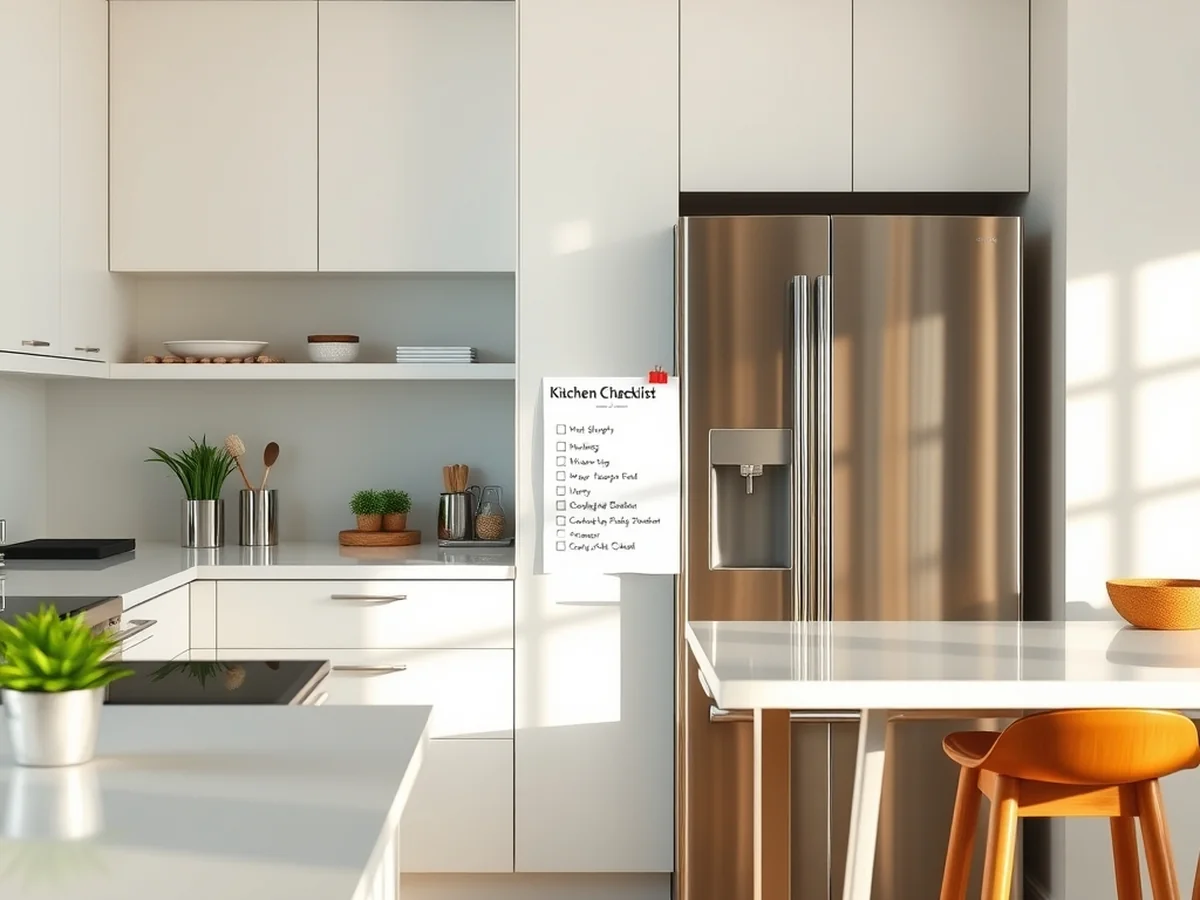
Maintaining a steady daily approach to tidying prevents heavy buildup and drastically reduces the time required for major chores. Quick everyday upkeep focuses on surface habits that stop messes from compounding into hours of grueling labor over the weekend. Rapid tidying sessions contrast sharply with deep maintenance tasks, because heavy chores like scrubbing the inside of appliances or sanitizing the interiors of cabinets happen on a monthly or seasonal schedule instead of happening daily.
Consistent daily habits make those heavier maintenance phases much easier to manage. When counters and sinks stay relatively clean day after day, grime never gets the chance to bake onto surfaces or harden inside appliances. Adhering to a speedy everyday maintenance plan protects your investment in home appliances by preventing stubborn grease layers from forming. Regular upkeep also ensures that deep cleaning sessions take significantly less physical effort when they finally arrive on the calendar.
Leanne Stapf serves as Chief Operating Officer at The Cleaning Authority, noting that structured routines transform overwhelming chores into manageable habits. Staying consistent with basic daily tasks means you will rarely face a daunting, hours-long recovery project in your cooking space.
To build sustainable momentum, focus on the why behind your habits. When clutter accumulates, it restricts your workspace and makes basic food preparation stressful. By integrating a rapid ten minute tidy into your evening or morning flow, you remove visual friction and set a calm tone for the household.
Practical steps for maintaining momentum involve eliminating friction points in your layout. Keep your dish soap, a reliable microfiber cloth, and an all purpose cleaner in an easily accessible caddy underneath the sink so you never waste time hunting for supplies. Address stray items immediately by placing non-kitchen objects into a laundry basket to relocate them later, keeping your counters clear for actual cleaning.
A common mistake is trying to deep clean during a rapid maintenance window. Avoid pulling out heavy scrubbing brushes or attempting to degrease the oven range during your daily sweep. Stick strictly to surface wiping, sink clearing, and floor maintenance to protect your schedule and prevent burnout. Another frequent error is ignoring the trash until it overflows, which invites odors and pests. Emptying the bin as part of your daily routine keeps the room fresh and supports your broader home maintenance goals.
Frequently Asked Questions About Fast Kitchen Cleaning
What are some ways to quickly clean a kitchen on the weekend?
Weekend speed cleaning relies on streamlined routines and multi tasking to reset the space without spending hours on chores. You can run the dishwasher while simultaneously gathering stray items into a laundry basket and wiping down primary surfaces. Focusing only on high impact areas keeps the total time under ten minutes.
How can I maintain basic sanitation standards when I only have a few minutes?
Targeted disinfection of food prep zones ensures safety even when time is limited. Focus on wiping high touch areas like faucet handles and counter edges using an all purpose cleaner and a microfiber cloth. Quick sanitising prevents bacteria buildup without requiring a full deep clean.
What is the best way to handle items that belong in other rooms?
Tossing misplaced items into a laundry basket lets you clear kitchen counters instantly. You can carry the basket out of the room at the end of your session rather than walking back and forth. This method supports a speedy kitchen cleanup by keeping your momentum high.
How do I tackle stubborn stovetop messes quickly?
Sprinkling baking soda over dried spills helps lift grease fast without harsh scrubbing. Let the powder sit for a minute while you clear the sink, then wipe it away with a damp microfiber cloth. This approach addresses tough spots efficiently.
Is it possible to keep a kitchen looking clean with daily upkeep?
Doing a brief evening reset prevents clutter from accumulating over the week. Spending just a few minutes washing dishes, wiping counters, and taking out the trash makes weekend maintenance much easier. Small daily habits reduce the need for heavy scrubbing later.
Conclusion and Maintaining Your Daily Kitchen Upkeep
Maintaining a tidy space comes down to daily consistency, proper tool selection, and steady workflow pacing. Using this rapid daily kitchen cleanup guide each day keeps chores manageable without taking over your schedule. Having the right supplies ready before you start prevents wasted motion and keeps the process smooth. Sticking to this speedy daily upkeep makes everyday tidying effortless.
Sources: congress.gov
You might also like: 10 Washer Standpipe Overflow Solutions