

10 Laundry Folding Table Ideas
Introduction
Laundry Folding Tables provide a practical surface for sorting, folding, and organizing clothes in both residential and commercial spaces. Choosing the right design can transform a cramped utility area into an efficient workspace.
This article covers ten creative design concepts and functional layouts for adding a workspace to your utility room. Readers will discover various material choices, space-saving configurations, and organizational upgrades suited for modern homes and commercial facilities.
10 Creative Laundry Folding Table Ideas for Modern Homes
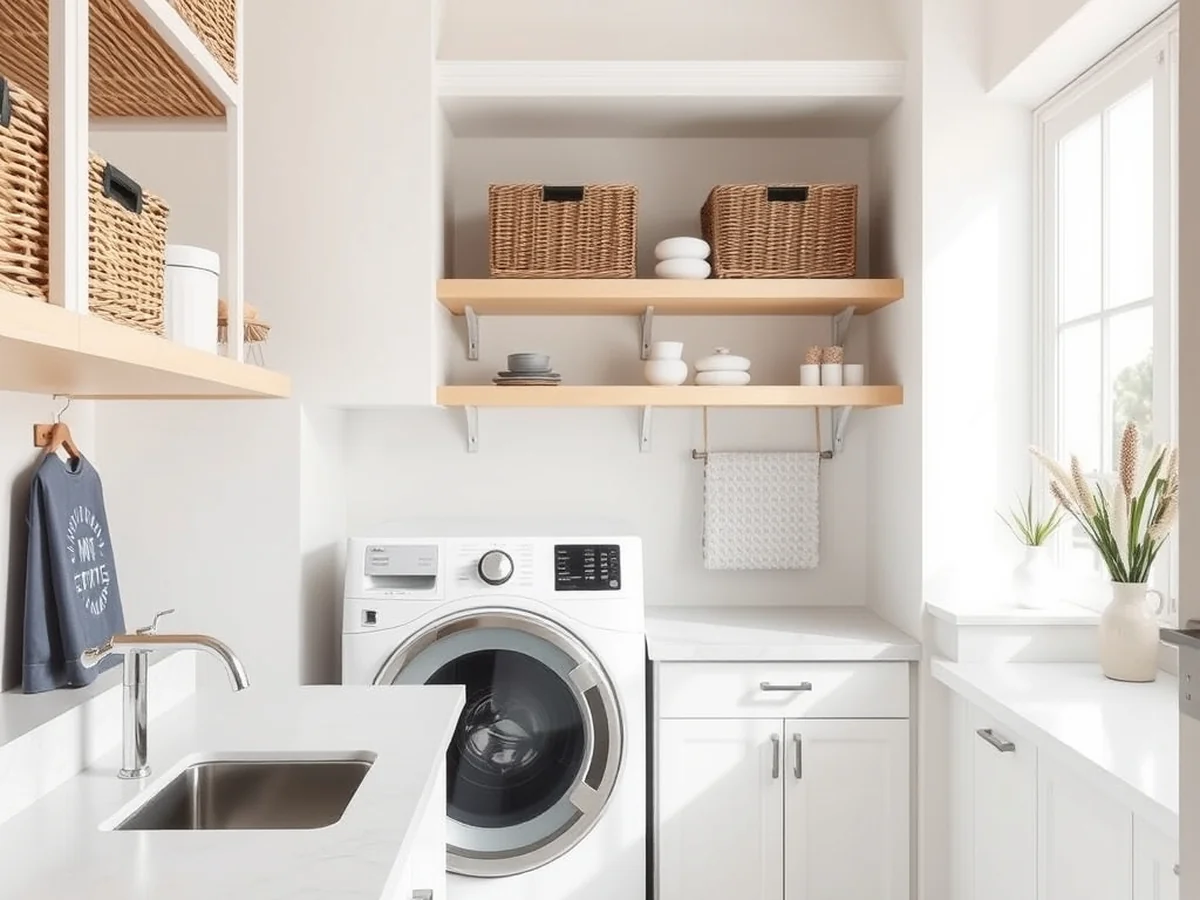
Organizing a utility space begins with clear counters and efficient layouts that transform a chaotic chore room into a streamlined workspace. Upgrading this area improves daily routines by reducing clutter and creating dedicated zones for sorting, folding, and storing linens. When designing your layout, choosing the best folding laundry table depends heavily on available square footage, daily washing volume, and the overall aesthetic of your home.
Styling a laundry area with creative laundry folding tables balances heavy-duty utility with modern interior aesthetics. Homeowners often select durable surfaces such as wood, laminate, stainless steel, or butcher block to handle heavy daily workloads while maintaining a polished look. For those managing compact utility rooms or apartments, incorporating a laundry folding table with storage maximizes vertical space and keeps detergents out of sight.
Practical execution requires careful planning to avoid common mistakes, such as placing tables too close to appliance doors or ignoring standard ergonomic heights. A comfortable folding surface typically sits around thirty-six inches high to prevent back strain. If you are working with a tight budget or an awkward nook, building a custom DIY folding table for room optimization allows you to tailor dimensions precisely to your walls.
To help you plan your space, consider these ten creative concepts:
- Wall-mounted drop-leaf surface: Folds flat against the wall when not in use, making it ideal for narrow utility rooms.
- Over-the-washer bridge: Spans across front-load machines to create an immediate counter without taking up extra floor space.
- Built-in butcher block island: Offers a heavy-duty workspace with lower shelving for baskets.
- Pull-out shelf hidden inside cabinetry: Slides out smoothly right below upper cabinets when folding time arrives.
- Repurposed vintage dresser: Adds rustic charm while providing deep drawers for sorting whites and colors.
- Stainless steel commercial-style station: Delivers industrial durability and easy cleanup for heavy washing demands.
- Laminate counter with an integrated laundry table with hanging rack: Combines flat folding space with an overhead bar for fresh shirts.
- Floating plywood shelf: Minimizes visual weight in minimalist apartments while offering robust support.
- Storage cart hybrid: Features caster wheels so you can roll the folding surface wherever you need it.
- Corner wrap-around counter: Maximizes awkward angles to create a continuous folding and sorting zone.
Setting proper expectations for home laundry room upgrades helps balance aesthetic goals with practical constraints like room dimensions and available budget. Planning each element carefully ensures that chosen furnishings fit the workspace without restricting movement or blocking appliance doors. Retailers like IKEA and The Home Depot offer modular components that can bring these creative concepts to life in almost any residential layout.
Comparing Materials for Residential Laundry Folding Tables
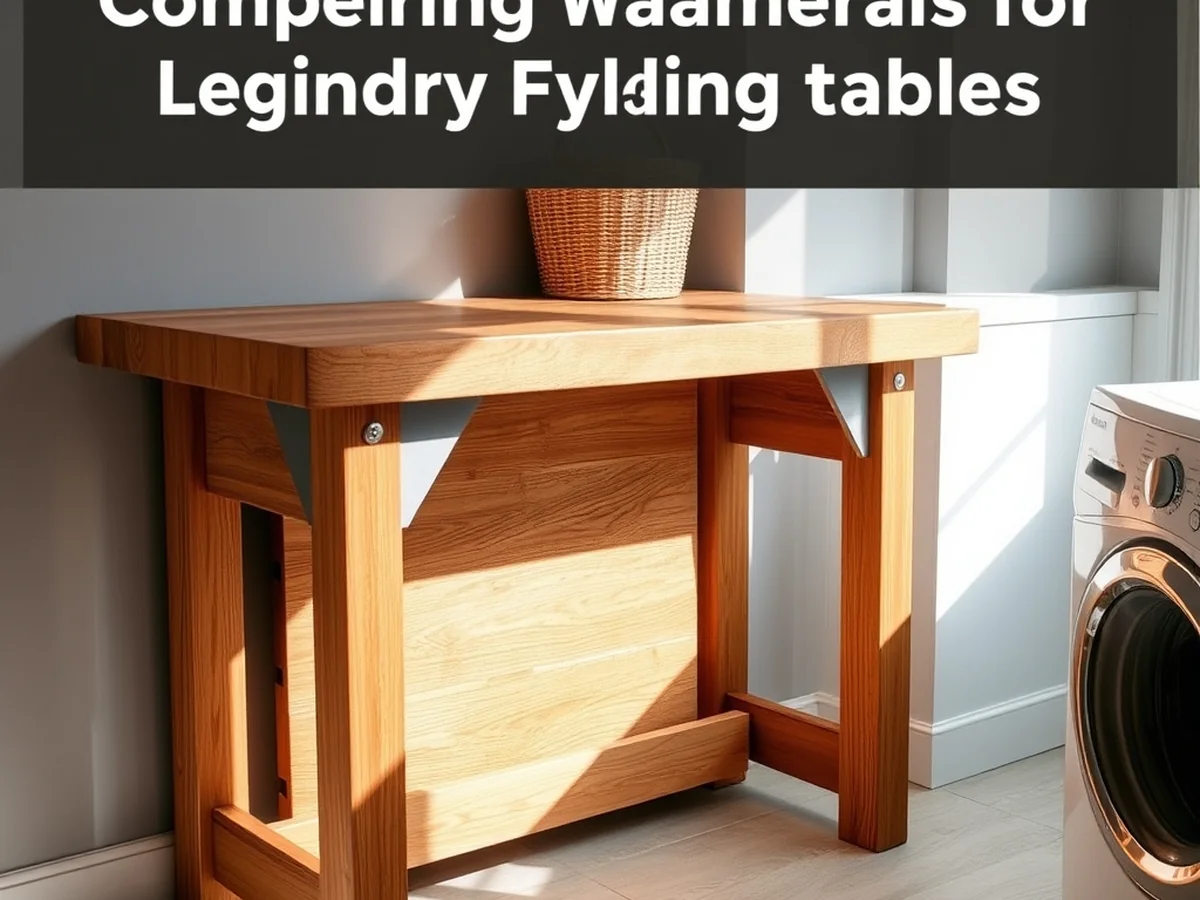
Choosing the right surface material depends on balancing daily durability with home aesthetics, especially when selecting a best folding laundry table for your utility room. Wood brings natural warmth to domestic spaces, but it needs proper sealing to resist moisture from damp clothes. Laminate offers budget friendly versatility and easy cleaning, though heavy impacts can chip the edges over time.
Stainless steel delivers maximum industrial resilience against chemical spills and heavy detergents, matching the heavy duty standards seen in suppliers like IKEA or Home Depot, yet it can show fingerprints and feel too cold for residential decor. Butcher block creates a sturdy, high end workspace that handles constant folding tasks easily, requiring only periodic oiling to maintain its rich appearance in modern utility areas.
| Material | Moisture Resistance | Maintenance | Aesthetic Appeal |
|---|---|---|---|
| Wood | Low to Moderate | High | Warm and Natural |
| Laminate | High | Low | Versatile and Modern |
| Stainless Steel | Very High | Low | Industrial and Clean |
| Butcher Block | Moderate | Medium | High End and Sturdy |
Evaluate how each option fits your cleaning routine before making a final choice for your home layout. Consider pairing a resilient surface with smart cabinetry or open shelving to maximize both workspace efficiency and visual harmony in your washroom.
Maximizing Limited Space with Compact Folding Table Solutions
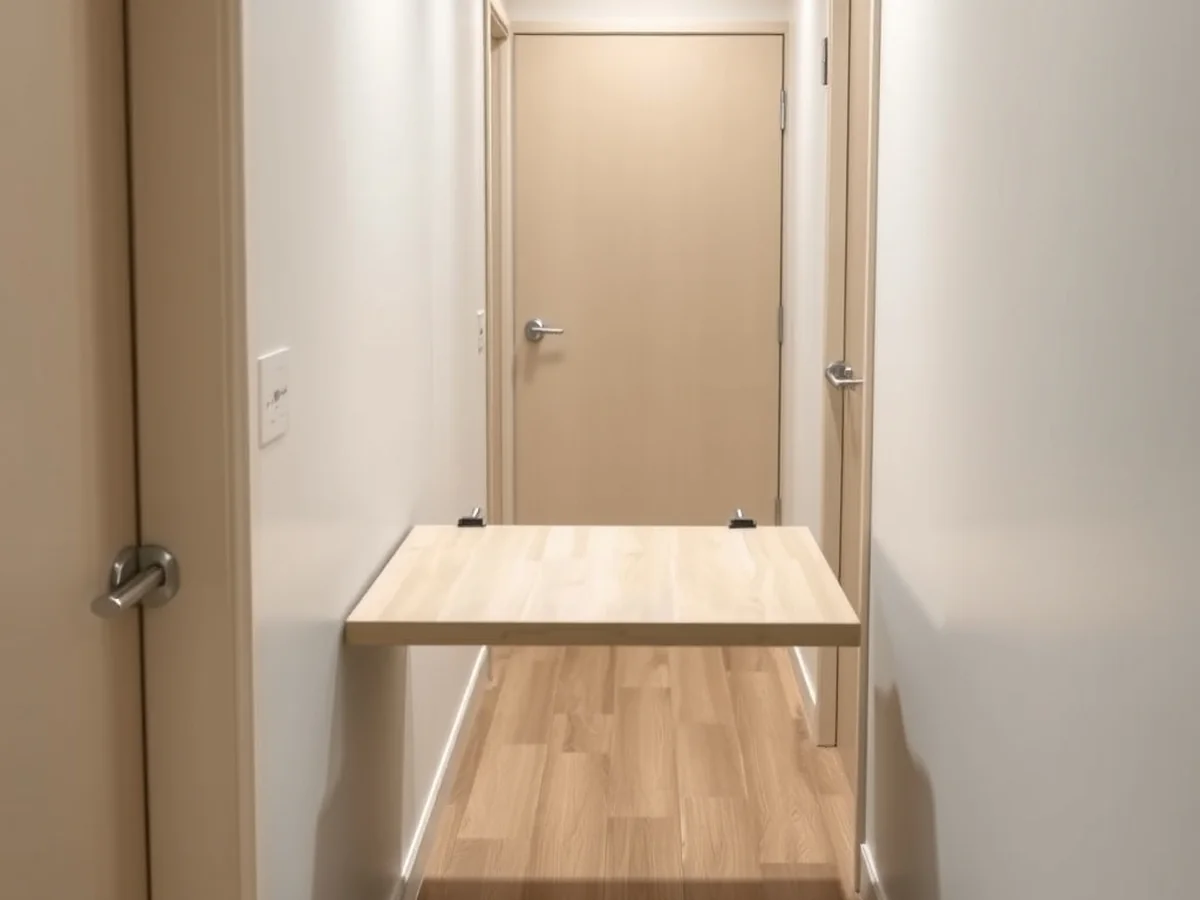
Wall-mounted and drop-leaf designs keep utility rooms fully functional without permanent footprint issues. Smart engineering ensures walking pathways stay clear when the surface rests flush against the wall. Integrating these folding units into narrow hallways or corridor layouts requires careful planning for hardware stability and hinge placement. Homeowners looking to build a custom DIY folding table for laundry room spaces often start by measuring the clearance around front-load washers and dryers.
Choosing the right mechanism prevents structural sagging under heavy baskets of linens. Pneumatic piston arms and automatic locking brackets provide reliable vertical support while eliminating the need for bulky floor legs. When planning your layout, make sure to anchor heavy-duty hardware directly into wall studs rather than relying solely on drywall anchors. A common mistake during installation is setting the surface height too low, which forces awkward bending during folding tasks. Aim for a comfortable working height that matches standard counter dimensions, typically between 34 and 36 inches from the floor.
- Wall-mounted Laundry Folding Tables drop down securely when you need extra work space and fold flat against the wall the rest of the day.
- Drop-leaf mechanisms attach directly to existing cabinetry or bare studs, providing a sturdy horizontal platform that vanishes after sorting clothes.
- Hinged wall brackets lock into place automatically under heavy loads and release with a simple latch to clear narrow walkways.
- Corridor utility spaces benefit from slim-profile furniture that eliminates tripping hazards in tight architectural floor plans.
- Pneumatic piston arms or simple support legs stabilize the workspace without blocking foot traffic during busy laundry routines.
Creating a Custom DIY Folding Table for Your Laundry Room
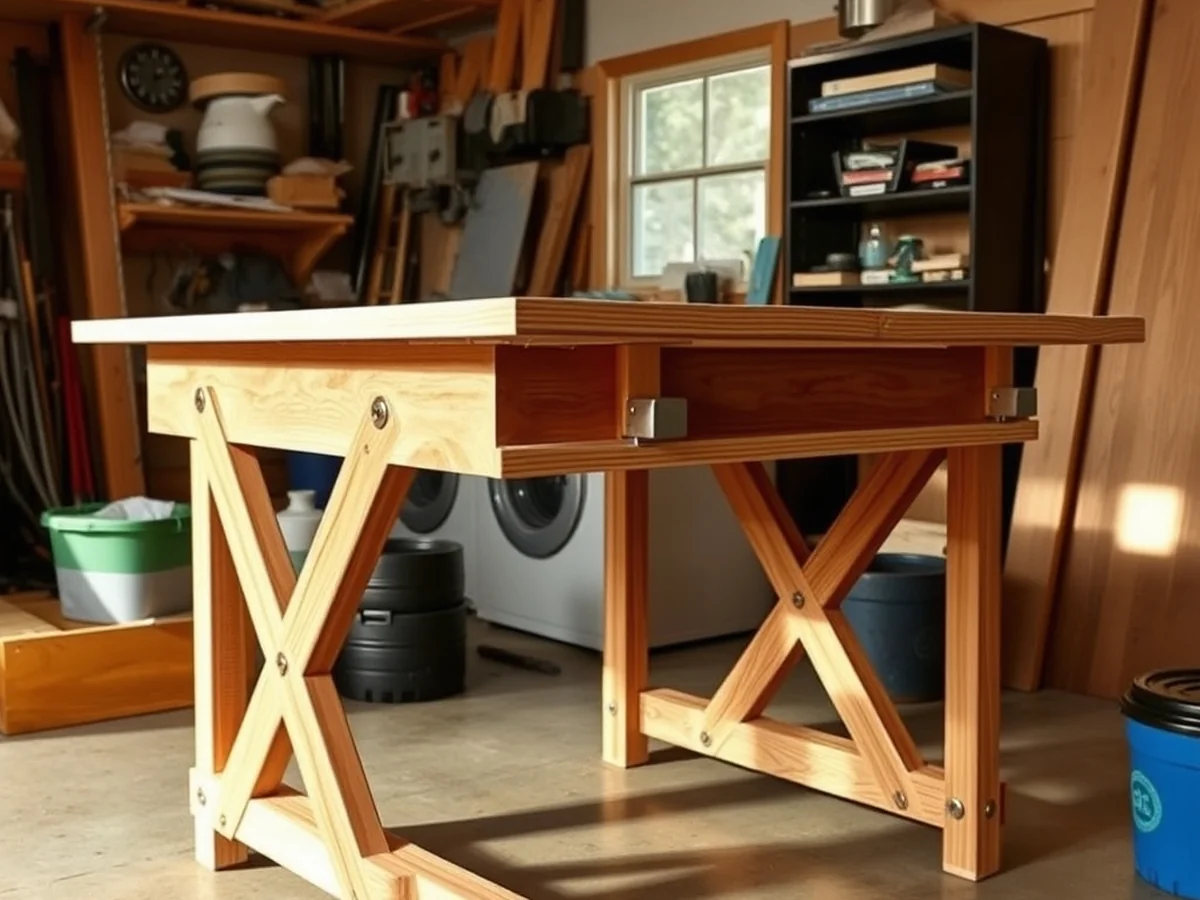
Building a homemade station requires careful planning regarding dimensions, brackets, and reliable support structures to ensure heavy duty workspace efficiency. When designing a workspace for folding laundry, homeowners often look for durable materials that can handle frequent sorting and basket stacking without sagging. You can easily assemble a durable DIY folding table for laundry room use by sourcing affordable supplies from major home retailers like IKEA and Walmart.
Understanding the why behind a custom build comes down to maximizing awkward gaps between washers and dryers. Pre-made furniture rarely fits exact architectural dimensions, whereas a custom project allows you to tailor the length and depth to your specific room layout. Choosing the right surface material is another critical decision. Options range from affordable laminate panels and solid butcher block slabs to sleek stainless steel counters, depending on your aesthetic preferences.
- Measure your available wall space between appliances to determine the exact length and depth of the work surface.
- Select sturdy wall brackets and heavy duty support legs that can handle frequent sorting and basket stacking.
- Purchase an affordable laminate top or solid butcher block slab from retailers such as IKEA or Walmart.
- Sand the edges smooth and apply a moisture resistant sealant if you are using raw wood materials.
- Secure heavy duty mounting brackets directly into wall studs using long structural screws.
- Level the work surface carefully before locking the final support fasteners into place.
A common mistake during assembly is anchoring brackets solely into drywall rather than locating the wooden wall studs. Drywall alone cannot support the downward pressure of heavy laundry baskets or leaning weight. Another frequent error is skipping the moisture resistant sealant on raw wood surfaces, which leads to warping and water damage from damp garments over time. Taking extra time to verify measurements and secure proper wall anchoring ensures a safe and long-lasting addition to your home workspace.
Adding Built-In Storage and Hanging Racks to Your Laundry Station
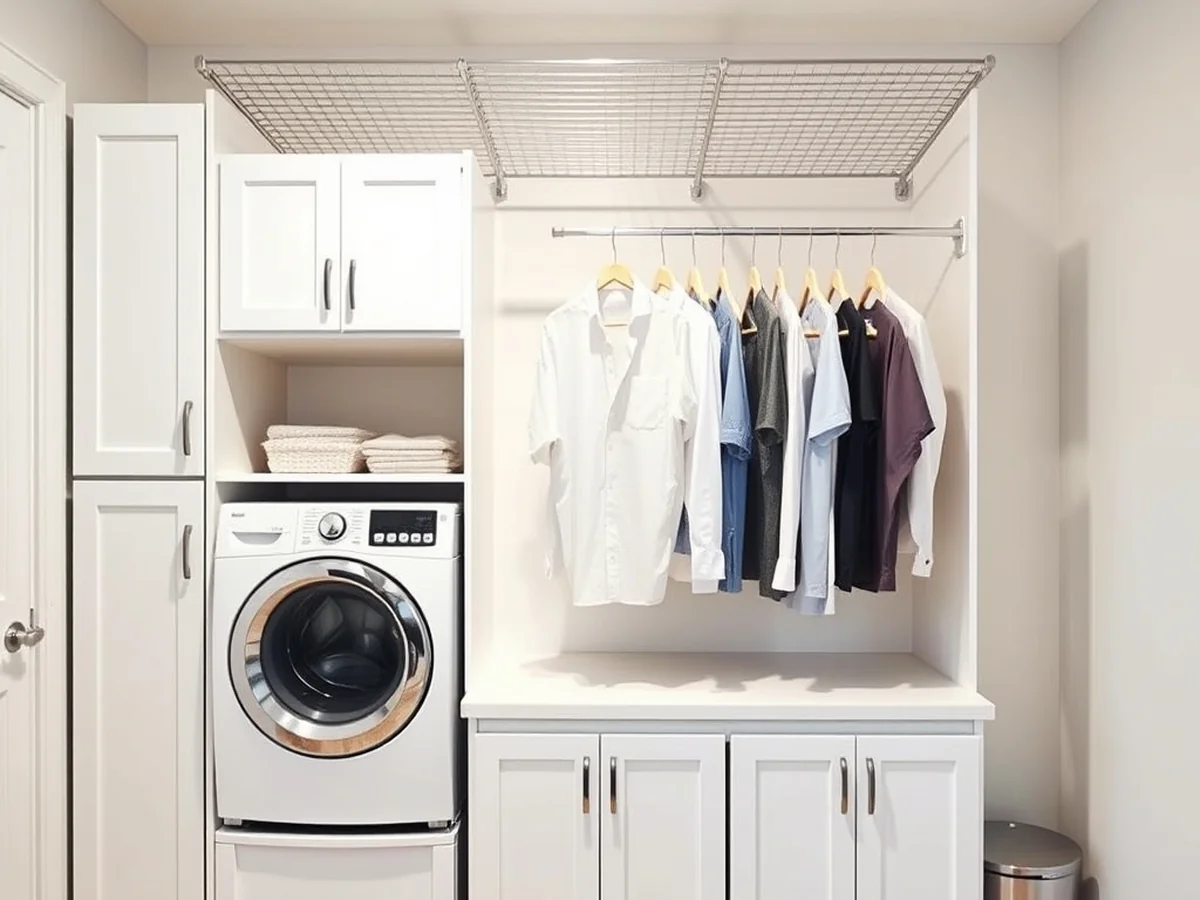
Maximizing utility requires combining lower cabinetry with upper surfaces and integrating overhead hanging rails to create a complete workstation. You can streamline your sorting routine by installing a laundry table with hanging rack capabilities directly above your counter. This setup lets you pull damp garments straight from the wash and hang them up immediately to air dry without cluttering the rest of the room. When planning your layout, anchoring overhead rails securely to wall studs ensures they can handle heavy winter coats or multiple rows of wet linens.
A well-planned laundry folding table with storage keeps essential supplies right where you need them most. Lower cabinets and pull-out drawers conceal heavy detergent jugs, stain removers, and mesh washing bags out of sight. Keeping these items within arm reach of your counter eliminates frustrating searches and speeds up the entire chore cycle. Selecting the right materials, such as durable laminate, stainless steel, or a solid butcher block top, ensures your workspace withstands daily moisture and heavy sorting tasks.
Common mistakes in laundry room organization often stem from poor vertical space utilization and cluttered folding areas. Failing to measure clearance heights above front-load washers can prevent you from opening dispensers or installing overhead shelves properly. To avoid these issues, map out your vertical zones before purchasing cabinets or mounting racks, ensuring a smooth workflow from washing to folding.
Commercial and Heavy-Duty Laundry Table Options for Shared Spaces
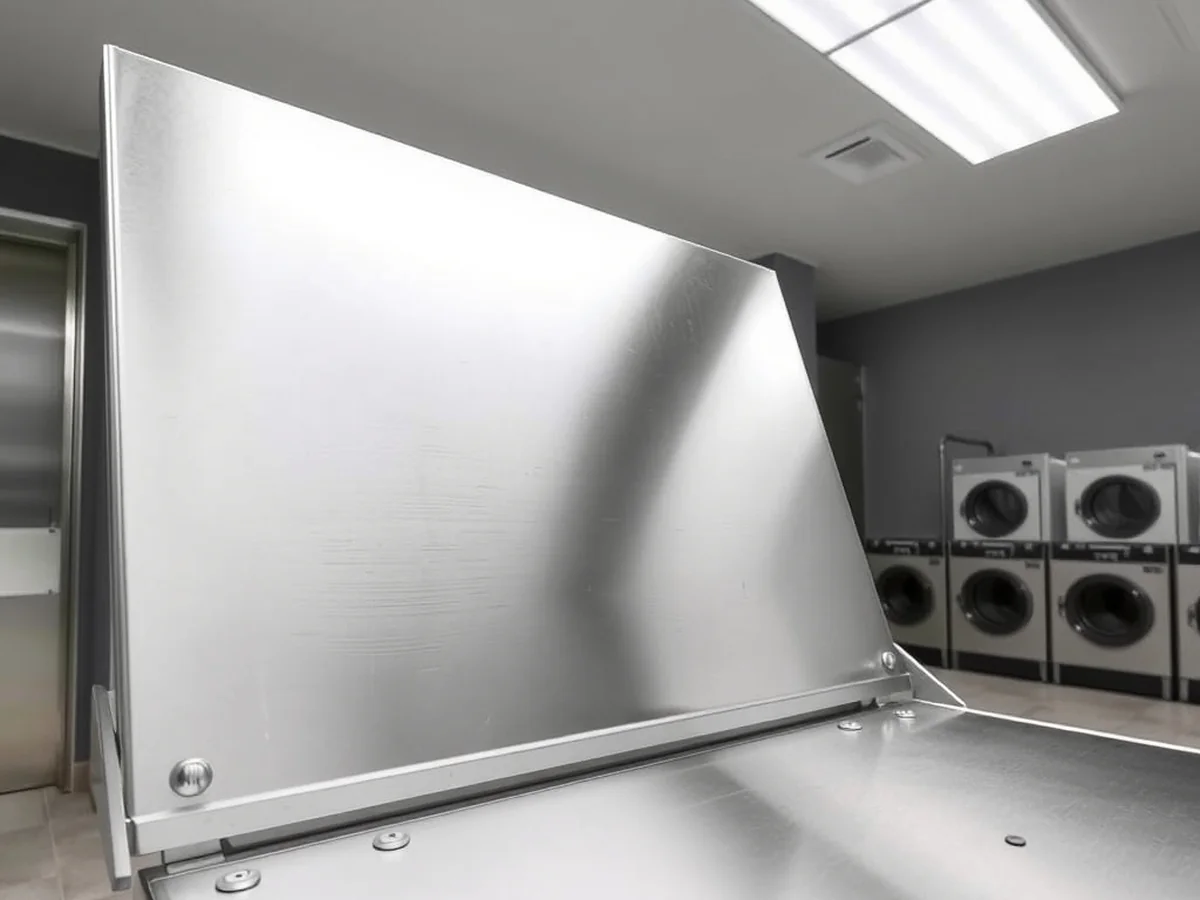
Commercial laundry furnishings for multi-family housing and apartment complexes require heavy-duty build quality to withstand constant daily use in high-traffic environments. Property managers often rely on industrial-grade options featuring stainless steel or reinforced laminate surfaces to prevent wear and tear. Shared spaces demand equipment that can endure heavy loads and resist moisture damage over years of operation, making material selection a critical factor for long-term facility management.
Why do multi-family facilities prioritize specific commercial furniture designs? Industrial laundry folding tables must handle continuous folding cycles, heavy detergent bottles, and damp garments without warping or degrading. Property owners typically look for heavy-duty solutions that integrate practical additions like hanging clothes racks and built-in trash containers to keep common areas tidy and efficient.
To implement a successful commercial setup, facility managers should follow several practical steps:
- Assess the exact floor plan dimensions to ensure adequate clearance around washers and dryers.
- Select surfaces that resist chemical cleaners and constant moisture exposure.
- Incorporate specialized seating options, such as fiberglass indoor and outdoor seating, to create comfortable waiting zones for residents.
- Anchor freestanding units securely to prevent tipping under heavy operational stress.
A common mistake in shared facility design is underestimating the volume of daily traffic, which leads to choosing lightweight residential furniture that fails within months. Industry suppliers, with many operating successfully since the 1950s, design robust workstations specifically to avoid these structural failures. Choosing the right commercial setup ensures longevity and keeps shared laundry rooms running smoothly for residents.
Adding Seating to Folding Tables
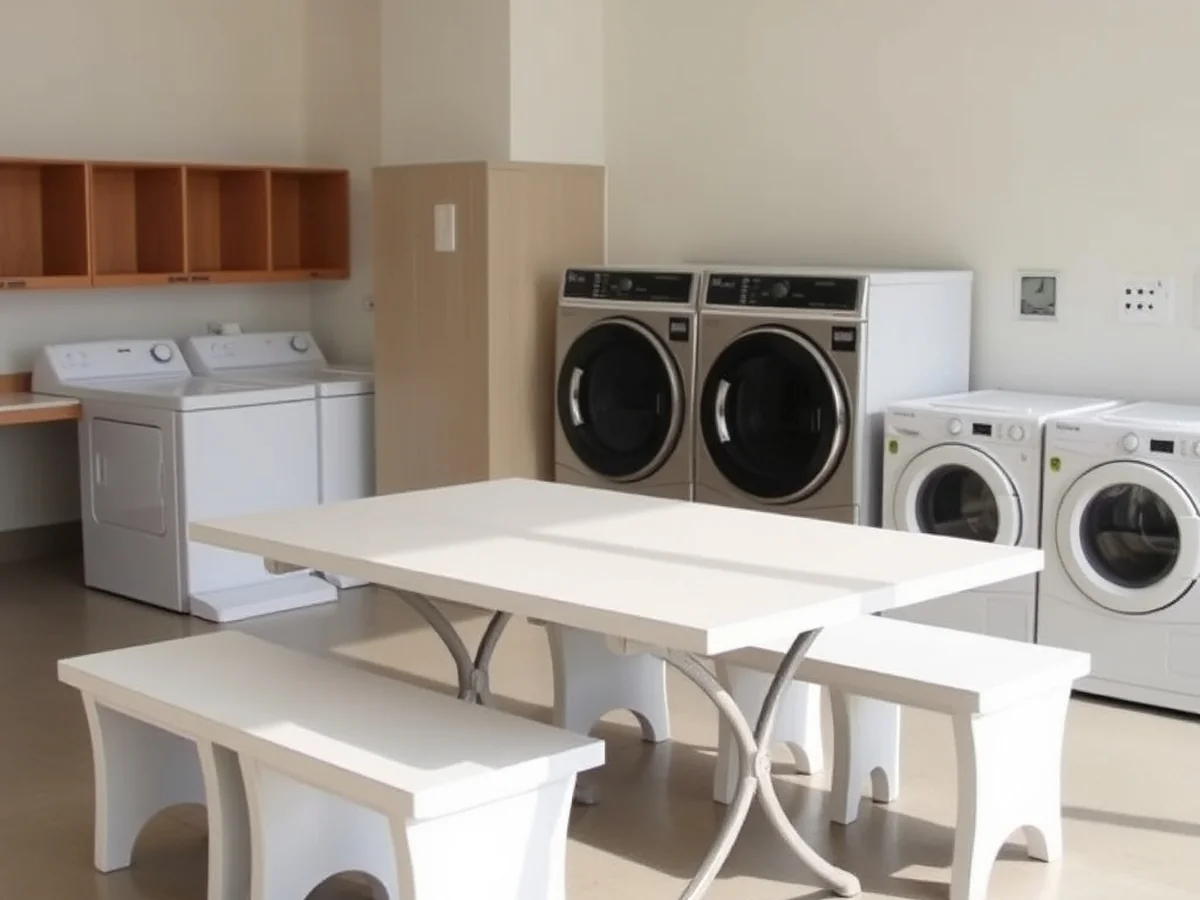
Integrating seating with Laundry Folding Tables creates a dual purpose zone for residents and guests, maximizing limited square footage in shared laundry rooms. Property managers and homeowners often combine fiberglass indoor and outdoor furniture or integrate benches directly into the workflow. This approach transforms a purely functional workspace into a comfortable area where people can wait while washing and drying clothes.
To design an efficient layout that balances foot traffic with customer comfort, follow a few practical steps. First, map out the available clearance around your washers and dryers to ensure seated users do not block access paths. Next, position your seating units near built in trash containers to keep shared spaces tidy and free of clutter. Waste receptacles make it easy for users to discard lint and empty detergent boxes immediately.
A common mistake in shared layouts is placing seating too close to high traffic entry points, which causes bottlenecks during peak hours. Another error is neglecting proper side clearance for accessibility. Careful planning of your Laundry Folding Tables alongside integrated seating and waste disposal stations improves the overall experience in busy facilities and residential utility spaces alike.
Sourcing Commercial Folding Tables
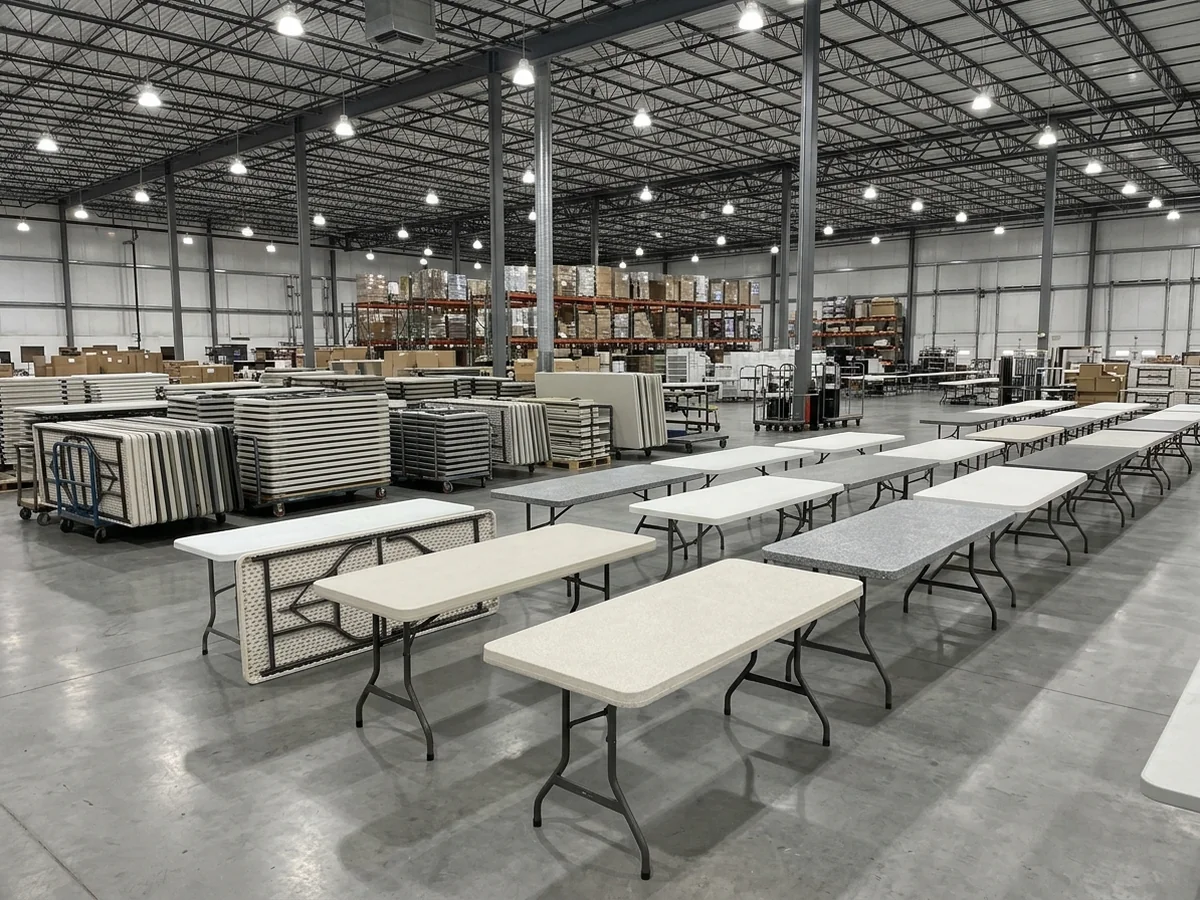
Stocking commercial facilities with necessary utility accessories requires partnering with dependable distributors that understand industrial workspace demands. Business owners often rely on established vendors with long histories in the utility supply sector to equip their laundromats properly. Industry practice often points to suppliers operating since the 1950s for reliable heavy-duty laundry tables and dependable service.
Understanding regional supply distribution practices helps operators maintain steady inventory levels without unexpected delays. Local suppliers typically manage routine delivery schedules tailored to specific geographic territories, ensuring facilities receive heavy-duty folding furniture and essential maintenance items on a predictable basis.
Coordinating regular deliveries for business operations keeps stockrooms organized and prevents workspace bottlenecks. Facilities benefit when suppliers align drop-off times with maintenance windows, allowing staff to install new sorting stations and laundry folding tables efficiently during off-peak hours.
When selecting utility furniture, operators should evaluate several practical steps to ensure long-term durability and workspace efficiency:
- Assess available floor space and traffic flow before ordering units to prevent cramped work areas.
- Review weight capacities and surface materials to handle heavy laundry baskets and commercial folding table demands.
- Confirm delivery schedules with regional distributors to align with facility maintenance windows and avoid operational disruptions.
A common mistake during the sourcing process is overlooking structural reinforcement needs, which leads to premature wear in high-traffic commercial environments. Facility managers should also avoid purchasing residential-grade furniture that lacks the heavy-duty build quality required for continuous daily use.
Frequently Asked Questions About Laundry Folding Tables
What types of tables are available for commercial laundromats?
Commercial laundromats typically use heavy-duty stainless steel, laminate, or fiberglass tables designed for high-traffic environments and daily wear. Many commercial models also integrate hanging clothes racks, built-in trash containers, or attached seating to maximize floor space.
How do compact folding tables help optimize limited space?
Compact folding tables mount directly to the wall or fold away when not in use, instantly freeing up floor space in tight residential utility rooms. These units provide a sturdy surface for sorting and Laundry Folding Tables without permanently blocking walkways or appliance doors.
What size should a laundry folding table be?
A standard laundry folding table usually measures between 30 and 36 inches in height to prevent back strain during sorting. Width and length depend heavily on available wall space, but a depth of 24 inches generally offers enough room to fold large baskets of clothes comfortably.
Where can I buy folding tables and laundry furniture?
Homeowners can purchase laundry furniture and folding tables from major home improvement retailers like The Home Depot, furniture stores like IKEA, and online marketplaces. Industrial suppliers also offer commercial-grade options for business owners seeking heavy-duty builds.
How can I make a DIY folding table for my laundry room?
Building a custom workspace involves securing heavy-duty folding brackets to wall studs and attaching a pre-cut piece of butcher block or laminate wood. This weekend project lets you tailor the height and dimensions to fit your exact room layout.
Conclusion: Selecting the Ideal Folding Station for Your Home
Choosing the right materials and design for your space turns a basic chore area into an efficient utility room. Long-term benefits include reduced physical strain, better workflow, and a tidy environment that makes washing clothes much simpler. Evaluate your available measurements and pick the right utility surface that matches your daily needs to start upgrading your room today.
You might also like: Determining the Minimum Walkway Clearance in Front of Front-Load Washe