10 Washer Standpipe Overflow Solutions
Introduction
A Washer Standpipe Overflow During the Fast Drain Cycle typically occurs when the drainage system cannot handle the high volume of water or when a blockage prevents proper flow. Addressing a Washer Standpipe Overflow During the Fast Drain Cycle requires identifying whether the issue stems from an undersized pipe, an obstructed vent, or a deeper plumbing backup.
This article examines common causes for laundry room flooding and provides practical, code-compliant solutions to restore your drainage system. You will learn how to evaluate your current setup against standard plumbing practices, identify symptoms of clogs or ventilation failures, and determine when specific maintenance steps or professional intervention are necessary to resolve recurring overflow issues.
Immediate Steps for Overflow
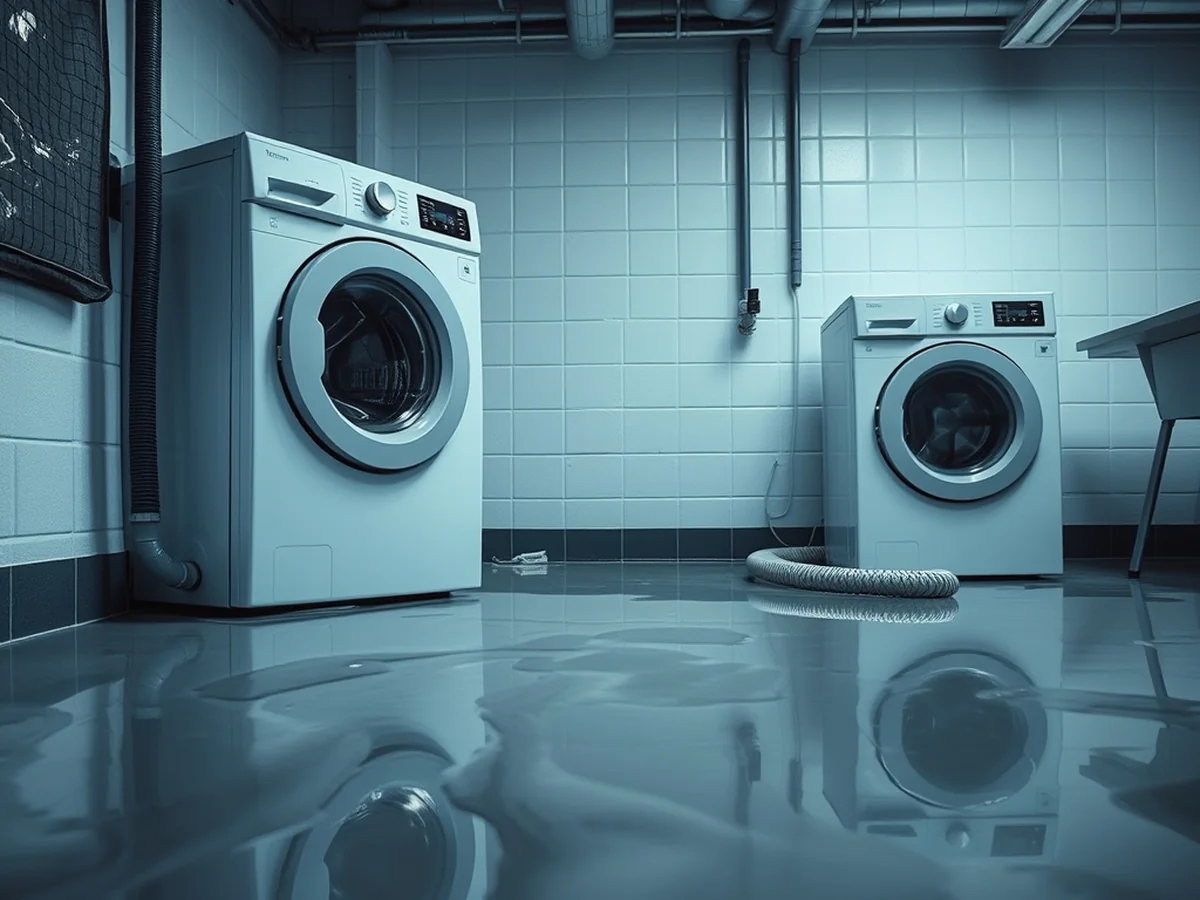
When you notice a washing machine standpipe overflowing during the fast drain cycle, the first step is to immediately stop the machine and evaluate your drainage system for physical obstructions. High-volume discharge cycles often stress older plumbing systems, especially if the pipes were not designed to handle the rapid water movement typical of modern appliances.
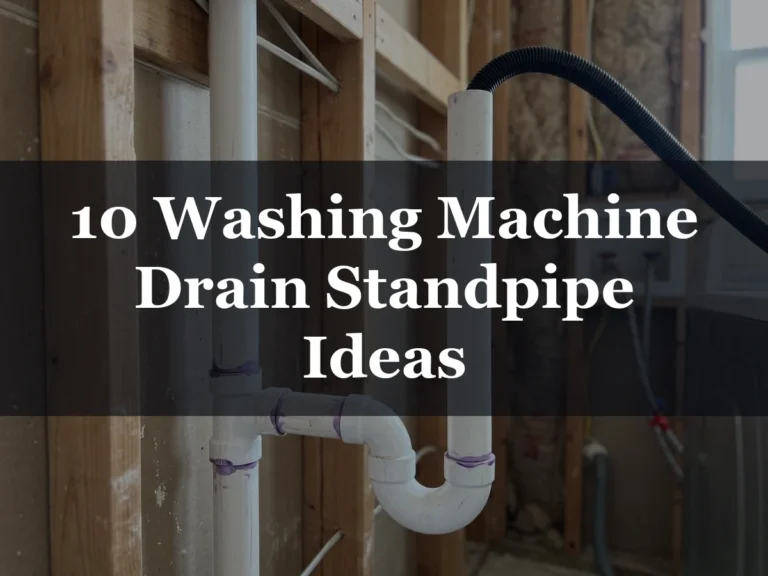
A standpipe functions as the primary vertical drain for your laundry unit, while the P-trap located beneath it provides a water seal that prevents sewer gases from entering your home. If these components are undersized, the water cannot exit fast enough, leading to a backup. It is common guidance that a laundry standpipe should have a minimum diameter of 2 inches, as 1.5-inch pipes are often insufficient for modern high-capacity washers.
You should also inspect the area for signs of excessive suds. It is a verified fact that excessive suds from the wrong detergent type can cause a temporary restriction in drain pipes, mimicking the symptoms of a physical clog. If you suspect a blockage, check for these common indicators:
- Water backing up in nearby floor drains, which indicates a downstream blockage in the main house drain.
- Slow drainage that persists even after the washer has finished its cycle.
- Gurgling sounds coming from the standpipe, suggesting ventilation blockages in the drain stack that prevent air from replacing water volume.
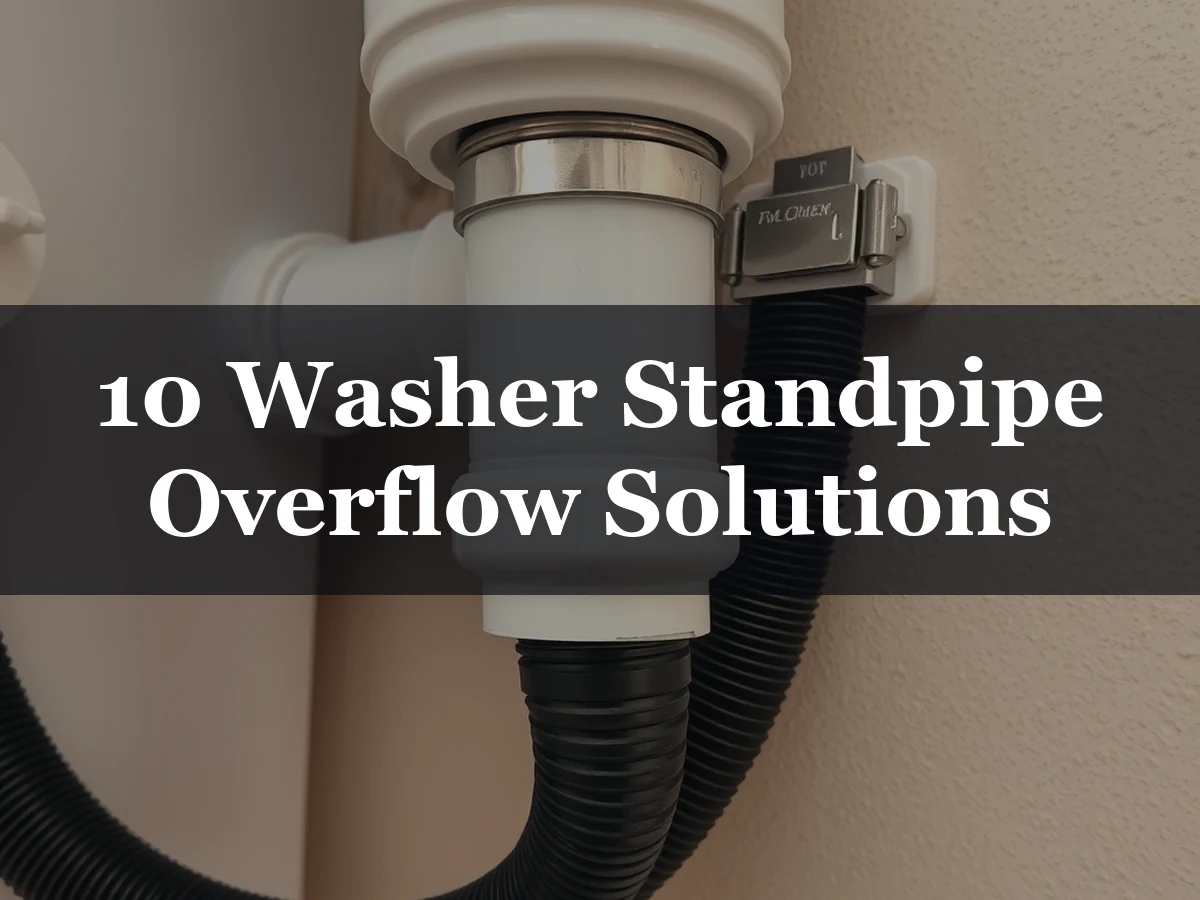
Once you have ruled out suds, ensure your drain hose is correctly installed. The air gap between the washer hose and the standpipe is essential to prevent back-siphonage. While the hose should be secured to the standpipe to prevent it from vibrating out, common guidance dictates that it must never create an airtight seal. An airtight connection can create a siphon effect that pulls water directly out of the P-trap, further compromising your drainage integrity. If these basic checks do not resolve the issue, the problem may lie deeper within the sewer lateral or require professional cleaning methods such as hydro-jetting to clear stubborn debris.
Common Causes of Standpipe Overflow
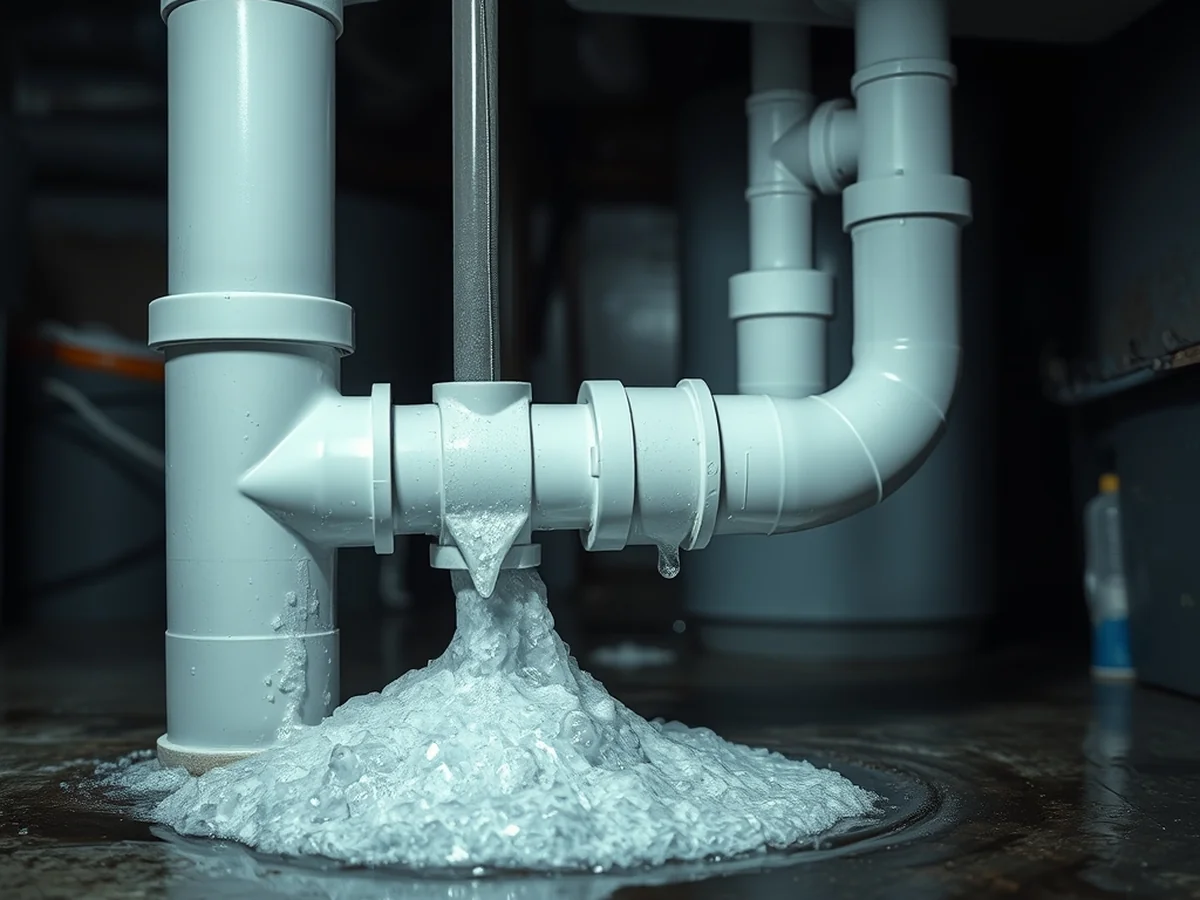
Overflows during high-volume drainage cycles often stem from mechanical restrictions, inadequate venting, or systemic plumbing blockages. Identifying the specific source requires evaluating how your system handles the rapid discharge of water.
- Excessive suds from using the wrong type of detergent act as a temporary pipe restriction, slowing down water flow and causing the standpipe to back up.
- Ventilation blockages in the drain vent stack disrupt necessary airflow, creating vacuum conditions that impede smooth drainage and force water upward.
- Main sewer line blockages frequently present as laundry drain issues because the laundry connection is typically situated at the lowest elevation in the home.
- A washing machine standpipe with a diameter smaller than the typical 2-inch standard often fails to accommodate the high-volume discharge of modern appliances.
- An airtight seal between the drain hose and the standpipe prevents essential air exchange, which can trigger back-siphonage and erratic drainage.
When suds build up inside the pipe, they create a thick, foam-based barrier that behaves much like a physical clog. This is especially common in high-efficiency machines where the chemistry of the detergent must match the machine’s water usage levels. If the suds cannot dissipate quickly enough to allow water to pass, the pipe capacity is effectively reduced, forcing the excess liquid to spill out of the top.
Proper plumbing systems rely on the drain vent stack to introduce air into the pipes as water exits. Without this air, the moving water creates a vacuum effect that pulls against the flow, causing the water to stall or surge. If you notice clogged laundry drain line symptoms, checking the roof vent for debris or obstructions is a critical troubleshooting step.
Finally, consider the layout of your home’s plumbing. Because the laundry drain is usually at the lowest point, it is often the first place to show signs of a major sewer line obstruction. When the main line is blocked, there is nowhere for the water to go, and it eventually pushes back through the lowest opening available. This can cause water to back up into the standpipe or even result in floor drain issues during the cycle.
Checking Standpipe Height Requirements
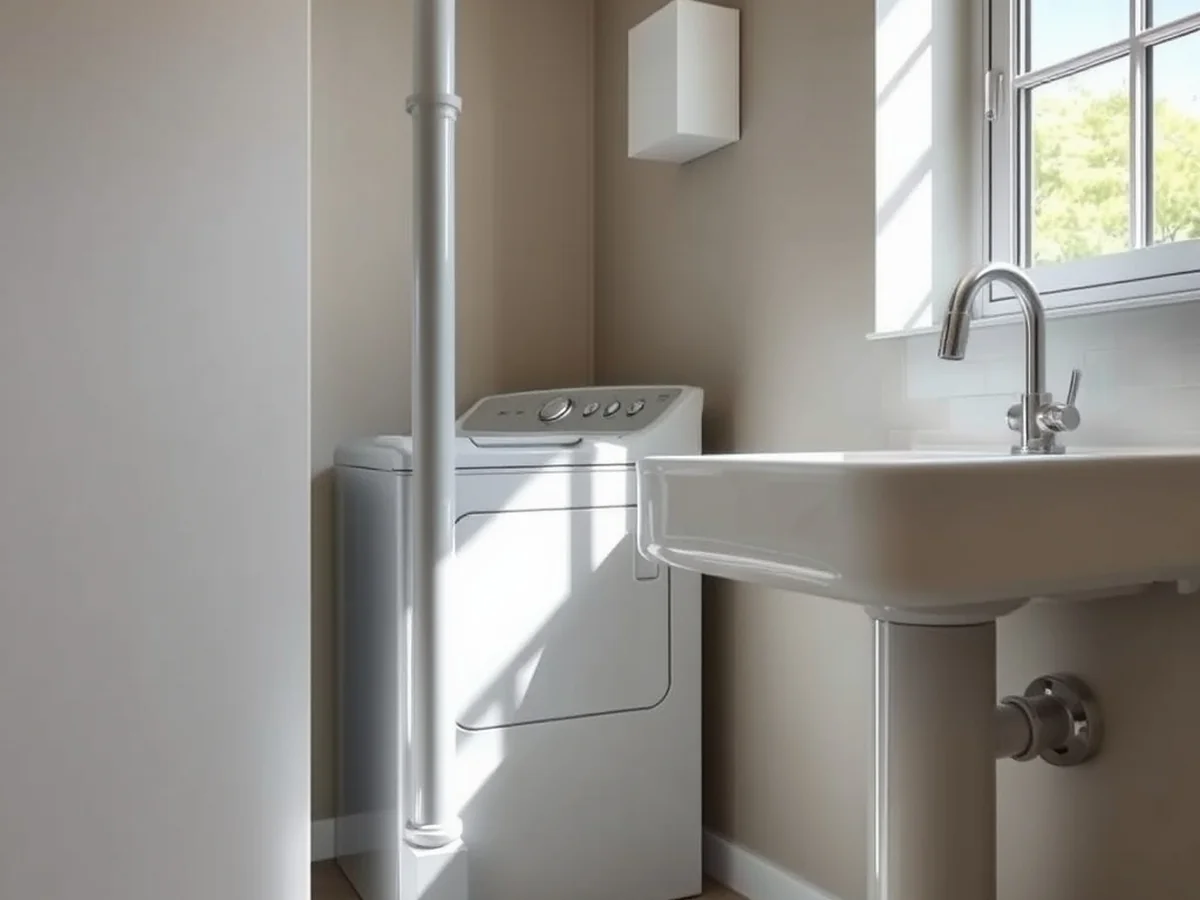
To prevent water from backing up during a fast drain cycle, your plumbing must adhere to specific vertical dimensions that allow for proper flow and venting. A common washing machine standpipe should generally have a minimum diameter of 2 inches. While some older homes feature 1.5-inch pipes, this smaller size is often insufficient for modern high-capacity washers that discharge water rapidly. If your plumbing relies on a narrower pipe, it may struggle to handle the volume, leading to a washer standpipe overflow during the fast drain cycle.
Vertical Placement and Trap Positioning
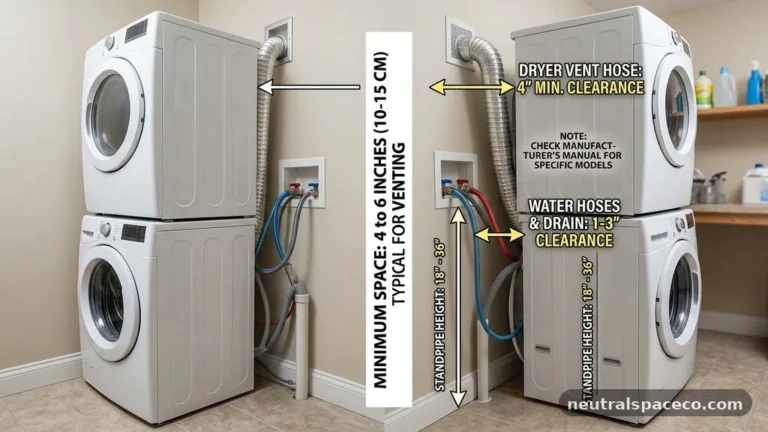
Regarding vertical placement, common guidance dictates that the standpipe must extend at least 18 inches above the standpipe trap weir. This height provides a buffer to contain water during the initial discharge. Proper washing machine drain hose installation height is essential to keep the system balanced and prevent overflow. Furthermore, a trap for a laundry standpipe must be installed at least 6 inches, but not more than 18 inches, above the floor. This range ensures the trap remains accessible for maintenance while maintaining the necessary slope for drainage.
Managing Airflow and Drainage
Maintaining an air gap between your machine’s hose and the standpipe is critical for preventing washing machine backflow. The drain hose should be secured to the standpipe to prevent it from vibrating out, but it must not create an airtight seal. An airtight seal creates a vacuum effect that can pull water out of the trap through back-siphonage, which leads to foul odors and potential drainage issues. If you notice your floor drain overflowing when the machine is running, this is a common symptom indicating a downstream blockage in the main house drain, as the laundry drain is typically at the lowest point of the system.
Beyond physical dimensions, other factors can disrupt drainage. Ventilation blockages in the drain stack prevent air from replacing water volume, leading to vacuum conditions that cause overflows. Additionally, using the wrong detergent type can result in excessive suds, which creates a temporary restriction in drain pipes. If your system is prone to these issues, it is important to confirm that the vent stack is clear before assuming the drain line itself is clogged.
If you suspect a deeper issue, remember that clogged laundry drain line symptoms often overlap with main sewer line problems. If you have verified that your standpipe height and hose installation meet standard practices but the overflow persists, the issue may stem from a blockage further down the sewer lateral. In such cases, professional assessment may be required to determine if the line needs specialized cleaning.
Fixing Blocked Air Gaps
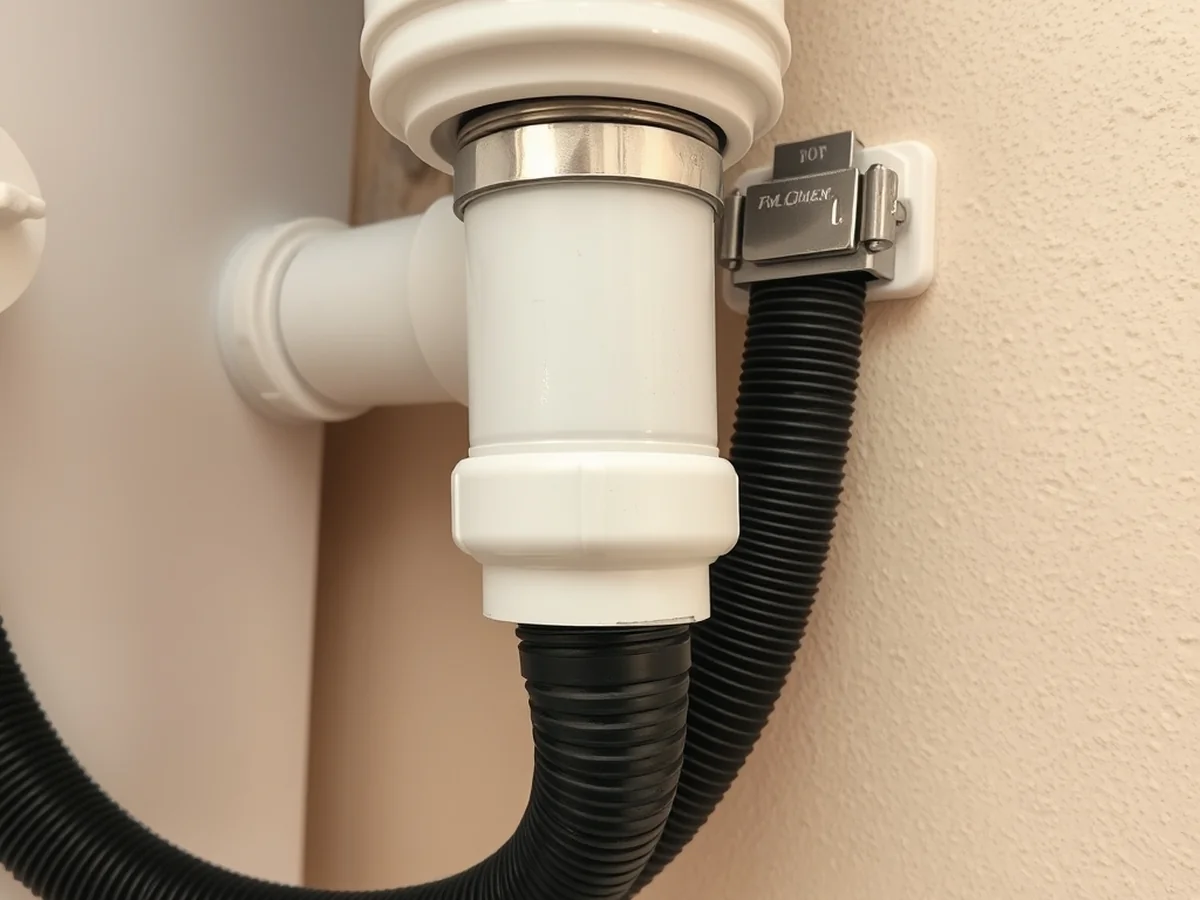
Maintaining an open air gap between the washing machine drain hose and the standpipe is essential to ensure proper pressure equalization during the fast drain cycle. When the connection is airtight, the plumbing system cannot breathe, which frequently leads to washer standpipe overflow during periods of high-volume water discharge. This airtight condition creates back-siphonage, a vacuum effect that pulls water out of the P-trap. Once the trap seal is broken, sewer gases may enter your home, and the lack of air intake significantly restricts flow, causing water to back up and spill over the pipe.
Understanding the Air Gap Requirement
Common guidance suggests that the drain hose should be secured to the standpipe to prevent it from vibrating out during operation, but this must never create an airtight seal. Using duct tape, rubber seals, or plumbing putty to close the gap around the hose insertion point is a common mistake that compromises system ventilation. Instead, the area around the hose must remain open to the atmosphere. This air gap allows the pipe to draw in air as water rushes down, which prevents the vacuum conditions that often cause overflows.
Common Causes of Drainage Restrictions
Beyond improper hose connections, several factors can exacerbate drainage issues. If your laundry setup is at the lowest point of the house, floor drains that overflow during a cycle often indicate a downstream blockage in the main house drain or sewer lateral. Additionally, ventilation blockages in the drain vent stack can prevent air from replacing water volume, leading to the same overflow symptoms. It is also important to note that excessive suds from using the wrong detergent type can cause a temporary restriction in the pipes, effectively creating a blockage that mimics a mechanical failure.
Best Practices for Hose Installation
To achieve a secure yet open connection, focus on proper positioning and support:
- Use a zip tie or a dedicated hose clamp to attach the hose to a nearby wall bracket or the standpipe itself. Ensure there is sufficient space around the hose for air to move freely into the pipe.
- Avoid inserting the hose too far into the standpipe. While specific depths vary, keeping the hose from being forced into the trap itself helps maintain the required air space.
- Regularly check that the hose is not kinked or forced into a position that restricts the internal diameter of the pipe.
If you suspect a recurring issue, consider the dimensions of your setup. Typical practice suggests a standpipe diameter of at least 2 inches, as a 1.5-inch pipe is often insufficient for modern high-capacity washers. Furthermore, the standpipe should ideally extend at least 18 inches above the trap weir, with the trap itself positioned between 6 and 18 inches above the floor.
Troubleshooting Steps for Homeowners
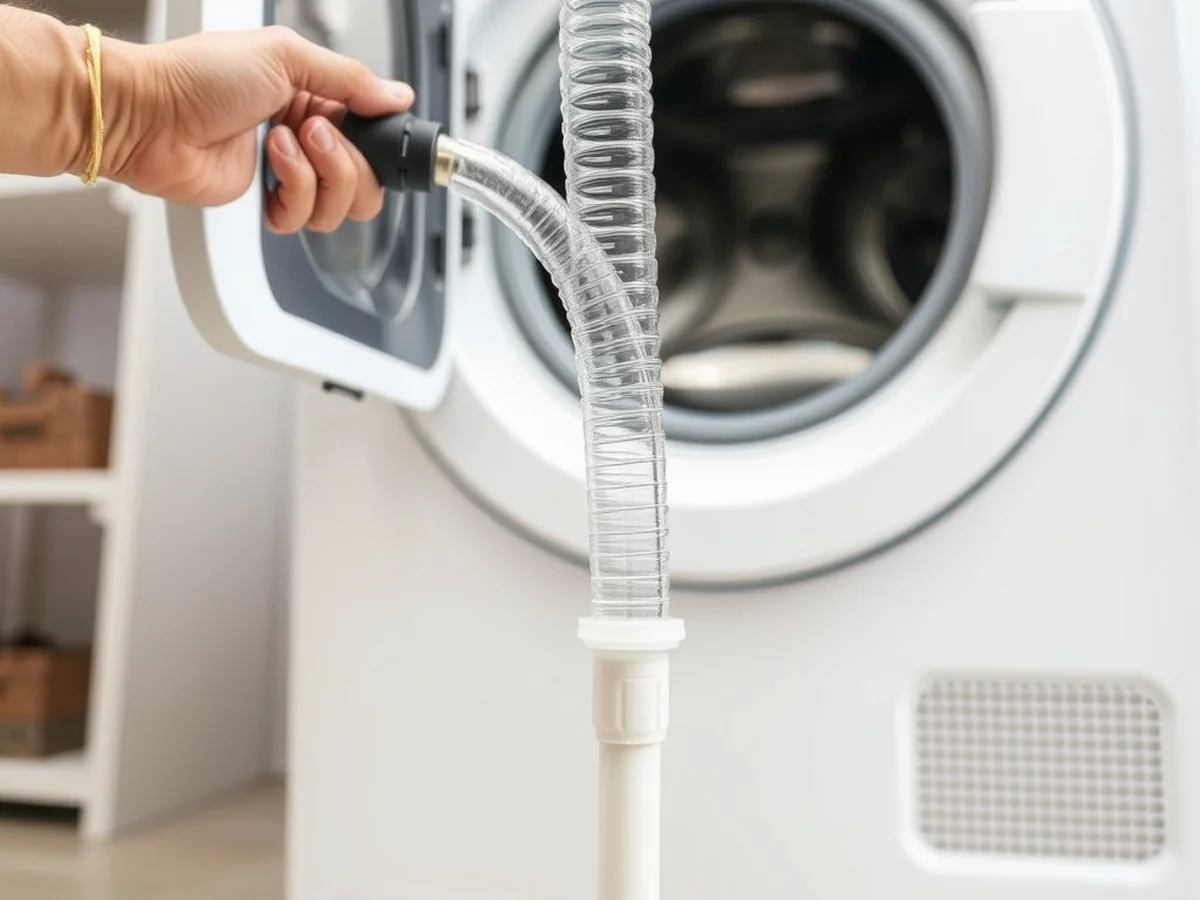
Resolving drainage issues often involves inspecting the system for physical obstructions, verifying that the P-trap is clear, and ensuring detergent usage does not create excessive suds. When water backs up during a cycle, checking these areas helps identify if the bottleneck is localized or part of a larger plumbing concern.
- Inspect the exterior drain vent stack for blockages, such as bird nests or debris. Ventilation blockages in the drain stack prevent air from replacing water volume, leading to vacuum conditions that cause overflows.
- Examine the P-trap for any buildup or foreign objects. A trap for a laundry standpipe is typically installed at least 6 inches, but not more than 18 inches, above the floor.
- Verify the type of detergent in use. Excessive suds from the wrong detergent type can cause a temporary restriction in drain pipes.
- Confirm that the washing machine drain hose is secured to the standpipe without creating an airtight seal. An air gap is essential to prevent back-siphonage and allow for proper venting, as an airtight seal creates a siphon that can pull water out of the trap.
- Check the standpipe diameter. Common guidance suggests a minimum diameter of 2 inches, as a 1.5-inch pipe is often insufficient for handling the volume of modern high-capacity washers.
If you suspect a blockage, look for common clogged laundry drain line symptoms, such as water backing up into a nearby floor drain or a basement sink. Floor drains that overflow during a laundry cycle often indicate a downstream blockage in the main house drain. Because laundry drains are typically located at the lowest point of the home, a backup here often indicates a larger obstruction in the main sewer line.
Always ensure that the standpipe height complies with typical plumbing practices, which generally require the pipe to extend at least 18 inches above the trap weir. If simple cleaning and suds reduction do not resolve the issue, the restriction may be deep within the main stack. In such cases, professional equipment is often required to clear the line effectively.
Snaking Versus Hydro-jetting
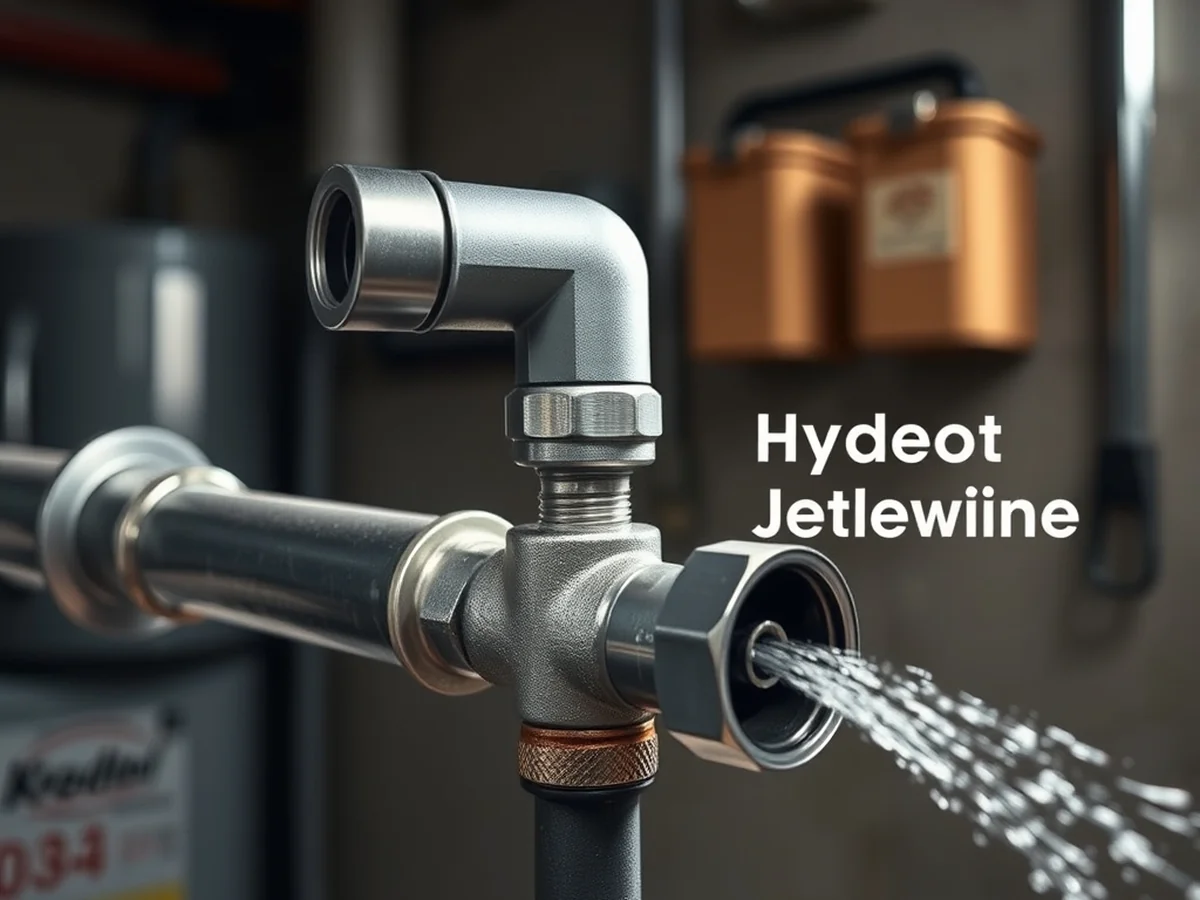
Choosing between a standard plumbing snake and hydro-jetting depends on the nature and location of the obstruction. A mechanical snake is effective for clearing localized clogs caused by physical debris or minor buildup, but it often lacks the reach or power to clear deep sewer line blockages. When facing persistent issues, such as backups that recur frequently or affect multiple fixtures, professional hydro-jetting becomes the necessary solution to thoroughly clean the pipe walls.
While snaking works by physically breaking through an obstruction, it often leaves residue behind, especially in cases involving grease or heavy soap suds. Excessive suds from the wrong detergent type can cause a temporary restriction in drain pipes, which a snake might only partially penetrate. Because a snake is essentially a rotating cable, it simply pushes through soft blockages rather than removing the film clinging to the interior of the pipe. If the problem stems from a buildup of organic material further down the line, a snake will likely fail to provide a lasting fix.
When Professional Intervention is Required
Floor drains that overflow during a laundry cycle are often a primary indicator of a downstream blockage in the main house drain. Because the laundry drain is typically at the lowest point of the house, it becomes the first place water escapes when the main sewer lateral is restricted. In these instances, snaking provides only a temporary reprieve. Hydro-jetting uses high-pressure water streams to scour the entire diameter of the pipe, flushing away the debris that a snake would otherwise miss. This process is essential for removing stubborn film and buildup that causes Washer Standpipe Overflow During the Fast Drain Cycle.
Understanding Pipe Requirements
Modern high-capacity washers often discharge water at rates that overwhelm older, narrower systems. A 1.5-inch diameter drain pipe is often insufficient for these modern machines, as common guidance suggests a minimum diameter of 2 inches for a laundry standpipe. Furthermore, ensuring the system remains vented is critical. Ventilation blockages in the drain stack prevent air from replacing water volume, leading to vacuum conditions that cause overflows.
| Feature | Plumbing Snake | Hydro-jetting |
|---|---|---|
| Method | Mechanical rotation | High-pressure water |
| Best for | Localized clogs | Deep line debris |
| Cleaning | Pierces obstruction | Scours pipe walls |
| Complexity | DIY or professional | Professional only |
For homes with older plumbing systems, professional assessment is recommended before choosing a clearing method. While snaking is a common first step for minor drain issues, persistent overflow during a cycle often signals a more complex systemic failure that requires the deep cleaning power of hydro-jetting to restore proper flow. Always ensure your drain hose is secured to the standpipe to prevent it from vibrating out, but verify it does not create an airtight seal, as an airtight connection can create a siphon that pulls water out of the P-trap, leading to sewer gas entry.
When to Call a Professional

You should contact a licensed plumber when DIY attempts fail to resolve recurring backups or if you suspect your home plumbing system has a deeper, structural defect. While minor clogs within the standpipe are sometimes manageable, persistent issues often point to larger complications that require specialized tools and expertise to diagnose safely.
One common sign of a failing main sewer lateral is water backing up in multiple fixtures throughout your home whenever the washing machine drains. Because the laundry drain is typically at the lowest point of the house, it is often the first place you will notice a sewer line issue. If you observe sewage or debris emerging from your floor drain alongside the standpipe overflow, this indicates a significant downstream blockage that requires immediate professional intervention.
Attempting to dismantle deep drain stacks without formal training or proper equipment poses substantial risks. Modern plumbing systems rely on precise venting and slope requirements, such as the common guidance that a P-trap must be installed between 6 and 18 inches above the floor. Amateur disassembly can lead to improper reassembly, causing dangerous sewer gas leaks, permanent damage to pipe seals, or the loss of essential air gaps that prevent back-siphonage. Professionals use tools like high-speed cameras and hydro-jetting equipment to clear lines without compromising the structural integrity of your plumbing vents.
In addition to structural blockages, external factors can complicate your drainage. Excessive suds from the wrong detergent type can cause a temporary restriction in drain pipes, which may look like a mechanical failure. If you have ruled out simple detergent issues and verified your setup meets standard plumbing practices, such as maintaining a 2-inch diameter for the standpipe and ensuring the pipe extends at least 18 inches above the trap weir, a professional can investigate if your home vent stack is obstructed.
A blocked vent prevents air from replacing the water volume, creating a vacuum that inevitably leads to overflow during high-volume drainage. If you cannot identify the cause, avoid using harsh chemical drain cleaners, as these can damage pipes and create hazardous conditions for any technician you call to resolve the problem later.
FAQ
Why does my washing machine drain standpipe overflow during the fast drain cycle?
An overflow typically happens when the volume of water being discharged exceeds the capacity of your drain pipe or when a blockage prevents water from flowing away fast enough. It is often caused by a restricted drain line, an undersized pipe diameter, or a blocked vent stack that prevents air from escaping, creating a vacuum that stalls drainage.
Why does my floor drain overflow when my washing machine drains?
If your floor drain overflows during a laundry cycle, it indicates a downstream blockage in the main house drain that is forcing water back up through the lowest available opening. Because the laundry drain is often at the lowest point of the home, it acts as a relief point for a deeper sewer line obstruction.
Why does my washing machine’s waste pipe keep coming out of the drain pipe?
Vibrations from the machine can dislodge a loose hose, so the drain hose should be secured to the standpipe to prevent it from moving. However, ensure that you do not create an airtight seal when securing it, as the air gap is essential to prevent back-siphonage.
Can the wrong soap cause a laundry drain to overflow?
Excessive suds from using the wrong detergent type can cause a temporary restriction in drain pipes, leading to a backup. This is especially common in high-efficiency washers, where the dense foam creates resistance that mimics a physical clog.
How far down a standpipe should a washing machine drain hose go?
While local codes vary, the hose should be inserted deep enough to remain secure but not so deep that it touches the trap weir at the bottom. A proper air gap between the hose and the standpipe is critical to prevent back-siphonage and ensure the system drains correctly without pulling air or water back into the unit.
Conclusion
Addressing a Washer Standpipe Overflow During the Fast Drain Cycle begins with identifying whether the issue is a localized pipe restriction or a broader system failure. Excessive suds from the wrong detergent type are a known cause of temporary pipe restrictions. If your pipes appear clear and detergents are correct, the next step is to inspect your home’s main vent stack or sewer line for deeper obstructions. Ventilation blockages often prevent air from replacing water volume, leading to vacuum conditions that cause overflows.
When simple adjustments, such as verifying the air gap to prevent back-siphonage or checking for lint buildup, do not resolve the overflow, contact a licensed plumber. Professional diagnostics can determine if your current piping diameter meets the needs of modern high-capacity appliances or if the system requires more extensive clearing, such as hydro-jetting. A 1.5-inch diameter drain pipe is often insufficient for modern appliances, and ensuring your setup adheres to proper installation standards is key to long-term system health.
Sources: old.lytlesrebc.edu
You might also like: 10 Bedroom Reach-In Closet Ideas