10 Washing Machine Drain Standpipe Ideas
Introduction
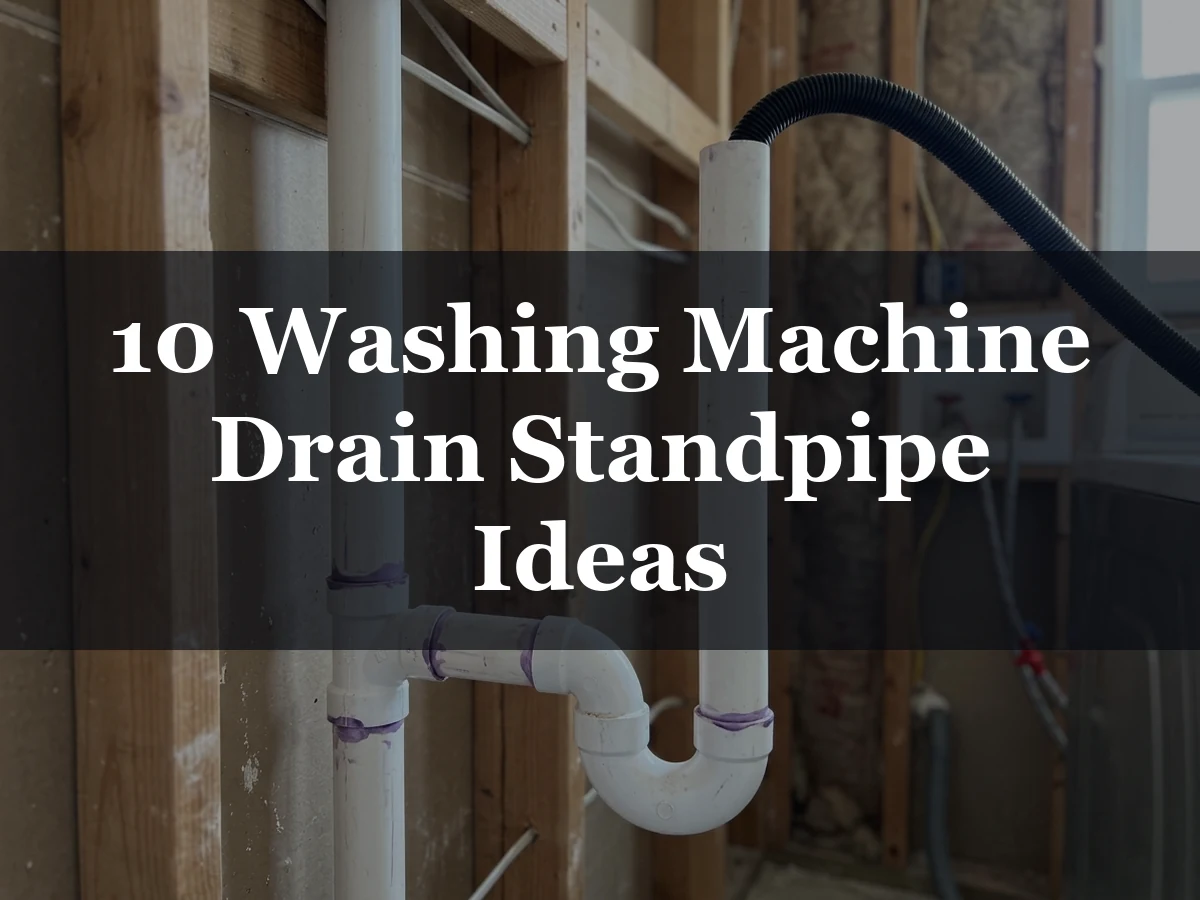
A Washing Machine Drain Standpipe serves as the critical connection point between your appliance and the home plumbing system, ensuring wastewater exits safely. Properly installing a Washing Machine Drain Standpipe is essential to meet building standards, prevent water damage, and maintain a functional laundry area.
This article provides practical design and installation ideas for your laundry drainage system while adhering to established plumbing codes. You will learn about mandatory height requirements, material selection, and effective strategies for maintaining your setup. We cover how to integrate these pipes into your home aesthetic, address common noise issues, and follow safety protocols to keep your drain system reliable. Whether you are retrofitting an existing space or planning a new laundry room, these insights help you balance code compliance with modern home design standards.
Standard Standpipe Installation Methods
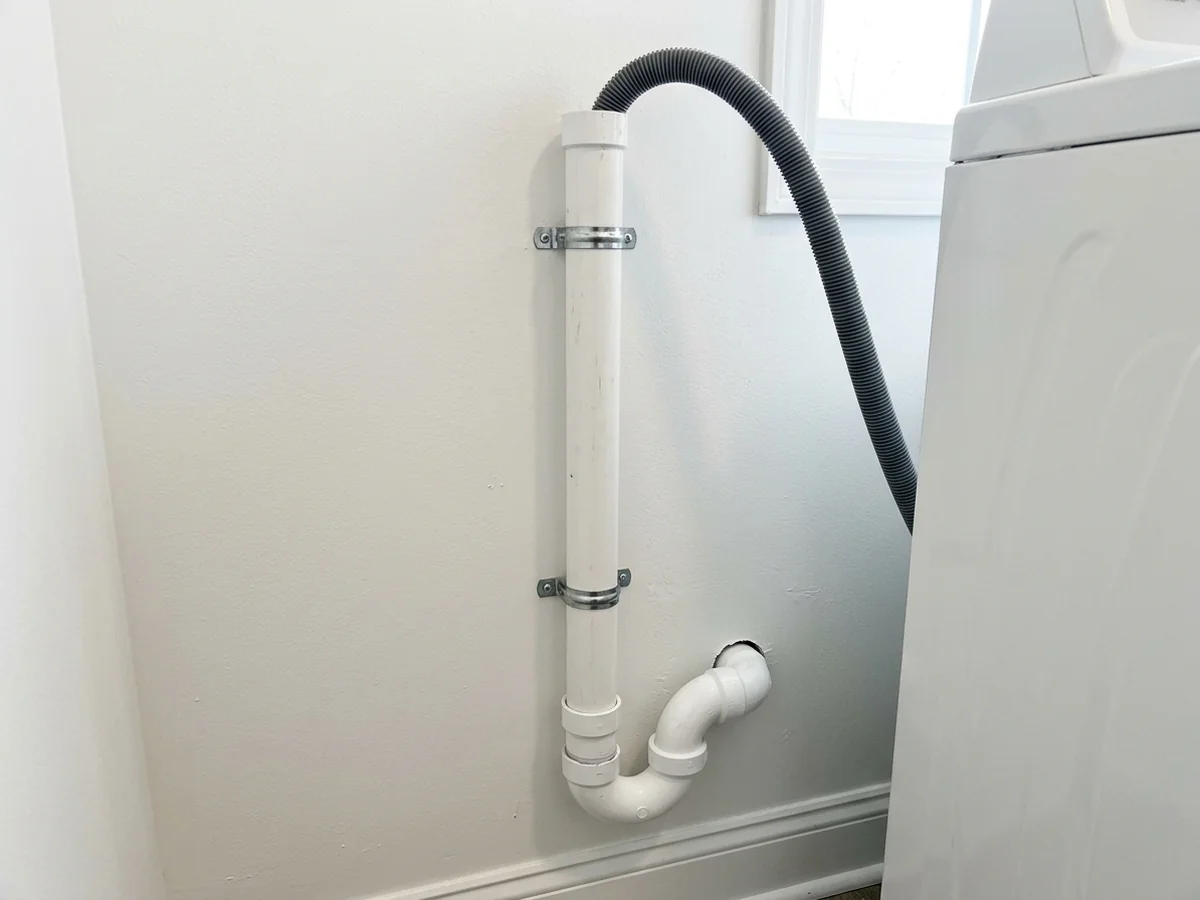
A properly installed standpipe serves as a vital buffer that accommodates high-volume water discharge from modern appliances. Because washing machine cycles can release water at flow rates reaching 15 to 20 gallons per minute, this vertical pipe provides the necessary capacity to prevent sudsing and water backup into the machine during heavy drainage.
The system also protects the home from hazardous sewer gases by maintaining a primed P-trap. The standpipe must connect to a trap that is primed to prevent these odors from entering the home, while the pipe itself requires proper venting to ensure the trap is not siphoned dry during the drain process.
Adherence to official building codes is essential for a safe and functional setup. The International Residential Code (IRC) requires a standpipe to be between 18 and 42 inches high. Furthermore, standpipes must extend at least 18 inches above the trap weir to ensure they function correctly as a drainage receptor.
Positioning the trap correctly remains a critical aspect of the installation. A washing machine trap must be installed at least 6 inches above the floor but not more than 18 inches above the floor. While PVC piping is common for these residential drain lines, it must be joined with appropriate solvent cement to ensure a watertight seal. ABS piping is a frequent alternative to PVC, although you should verify which material is permitted by your local jurisdiction.
Finally, maintaining the integrity of the drain system prevents common operational failures. You should ensure an air gap exists between the discharge hose and the standpipe to prevent backflow contamination. It is also common guidance to secure the drain hose to the standpipe to prevent it from jumping out due to pressure. Additionally, cleaning a lint trap or screen periodically is necessary to prevent standpipe blockages that lead to overflow. If the pipe is too short, the volume of water may cause it to overflow during the drain cycle, emphasizing the importance of following height requirements for effective washing machine standpipe overflow prevention.
Understanding Standpipe Functionality
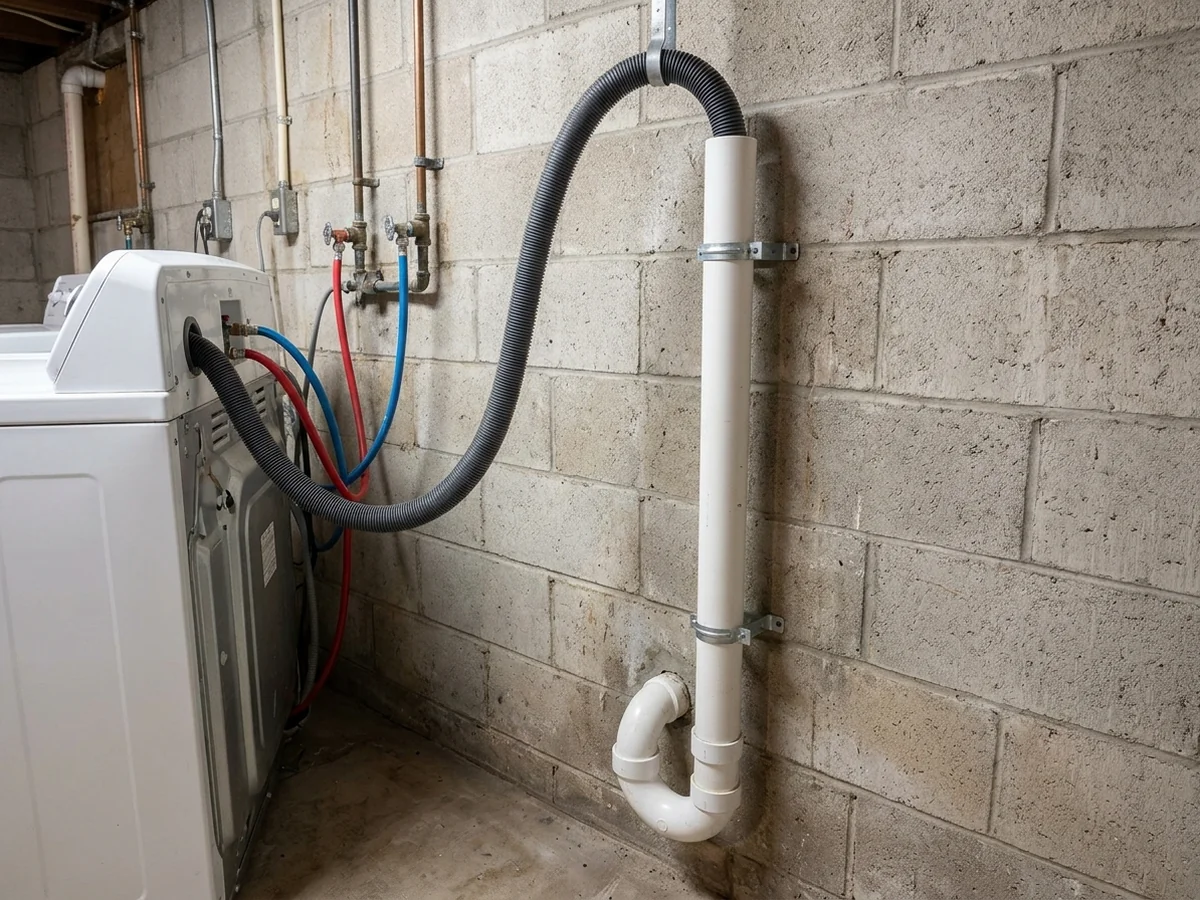
A Washing Machine Drain Standpipe functions as a vital hydraulic buffer, designed to manage the rapid water discharge typical of modern appliances. It is common practice to use a standpipe as a buffer to prevent sudsing and water backup, which can force gray water back into the appliance or cause an overflow at the connection point.
Water discharge from a washing machine can reach flow rates of 15 to 20 gallons per minute. Because of this high volume, the vertical pipe provides the necessary capacity to contain sudden surges. Using a standpipe that is too short is a common mistake that can cause water to overflow during the drain cycle.
Regulatory Standards for Installation
Adherence to established plumbing codes is essential for system safety and performance. The International Residential Code (IRC) requires a washing machine standpipe to be between 18 and 42 inches high. Additionally, standpipes must extend at least 18 inches above the trap weir to ensure proper drainage dynamics.
Regarding the base of the system, a washing machine trap must be installed at least 6 inches above the floor but not more than 18 inches above the floor. While PVC piping is common for residential drain lines and must be joined with appropriate solvent cement to ensure a watertight seal, ABS piping is an alternative to PVC, though local codes may specify which material is permitted.
Venting and Trap Integrity
The system relies heavily on a P-trap, which serves as a critical seal against hazardous sewer gases. The standpipe must connect to a trap that is primed to prevent sewer gases from entering the home, keeping the laundry environment safe. Furthermore, the standpipe must be properly vented to prevent the trap from being siphoned, which would otherwise break the water seal and allow odors to permeate the living space. For the drainage lines themselves, common guidance suggests a laundry drain pipe diameter of at least 2 inches to accommodate the high-volume flow.
Operational Maintenance and Best Practices
To ensure consistent performance and support washing machine standpipe overflow prevention, homeowners should follow basic maintenance and safety guidelines. It is common practice to maintain an air gap between the washing machine discharge hose and the standpipe to prevent backflow contamination. Additionally, the drain hose must be secured to the standpipe to prevent it from jumping out due to pressure.
To keep the lines clear, a lint trap or screen should be cleaned periodically. This is the most effective way to prevent standpipe blockages and ensure water continues to flow freely into the main drainage system.
Essential Plumbing Code Requirements
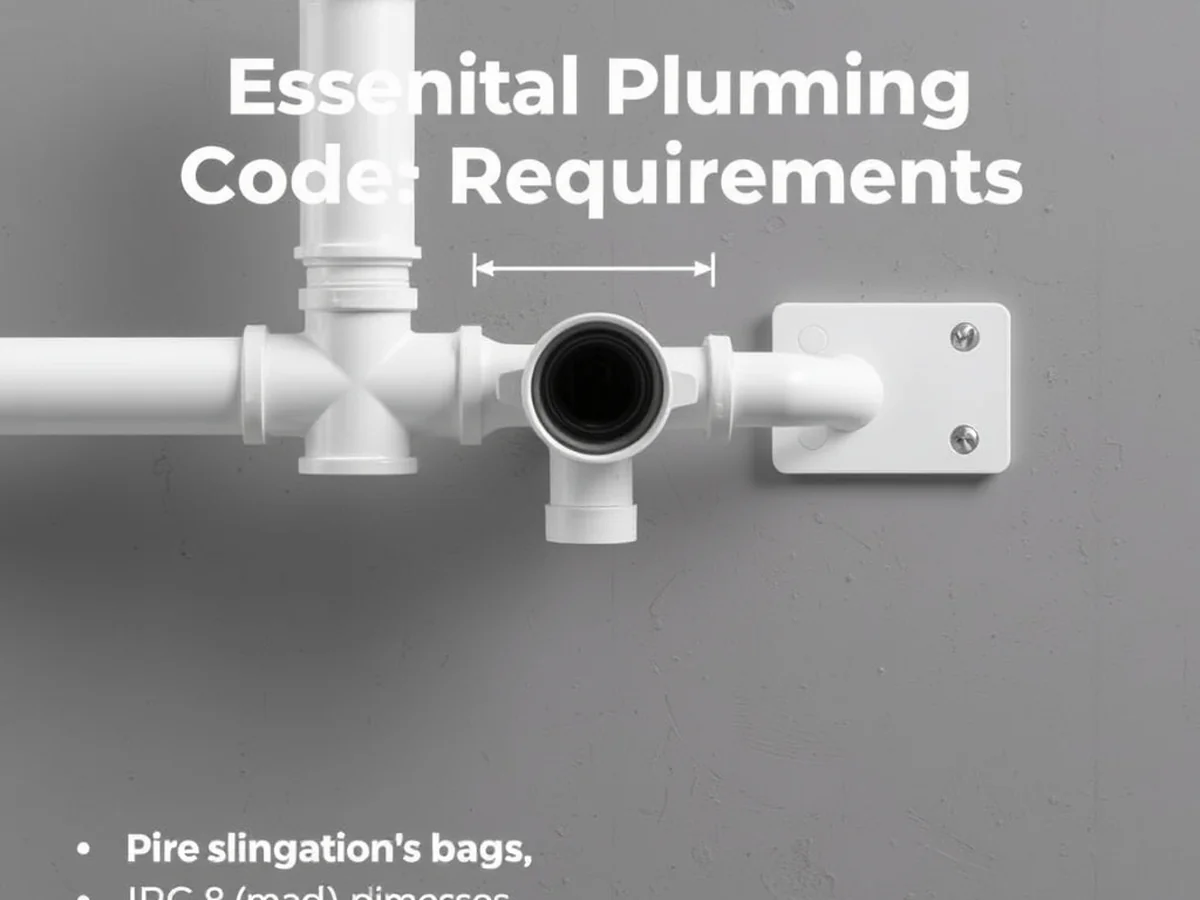
Adhering to established standards is critical for a functional and safe laundry setup. Proper drainage relies on specific dimensions to balance air pressure and gravity, effectively managing high-volume water discharge, which can reach 15 to 20 gallons per minute during a standard cycle. Failure to meet these requirements often leads to system inefficiency, such as water backing up into the machine or sewer gases entering your home.
Core Dimensional Standards
According to the International Residential Code (IRC), a washing machine standpipe must be between 18 and 42 inches high. This vertical pipe serves as a vital buffer to prevent sudsing and water backup. Furthermore, the standpipe must extend at least 18 inches above the trap weir to maintain system integrity. Regarding the P-trap, which is essential to prevent sewer gases from entering the living area, it must be installed at least 6 inches above the floor but no more than 18 inches above the floor.
When selecting materials, PVC piping is common for residential drain lines, provided it is joined with appropriate solvent cement to ensure a watertight seal. ABS piping is also a frequently used alternative, though you should verify which material is permitted by your local jurisdiction. Regardless of the material, the standpipe must be properly vented to prevent the trap from being siphoned during the drain cycle.
Operational Best Practices
Beyond strict dimensions, several assembly standards help ensure long-term performance and washing machine standpipe overflow prevention:
- Pipe Diameter: A laundry drain pipe diameter of at least 2 inches is typical practice to accommodate the rapid water discharge.
- Air Gap: An air gap must exist between the washing machine discharge hose and the standpipe opening to prevent backflow contamination, as outlined by standard cross-connection control practices.
- Hose Security: The drain hose must be securely attached to the standpipe to prevent it from moving or jumping out due to the force of the pump discharge.
- Maintenance: A lint trap or screen should be cleaned periodically to prevent blockages that could cause the system to fail.
If you are planning an installation or a renovation, always consult your local plumbing amendments, as they may occasionally vary from the national IRC or Uniform Plumbing Code standards. Installing a system that meets these technical criteria is the most effective way to avoid the risks associated with improper drainage. For those managing older homes, ensuring these elements are correctly configured is a foundational step in maintaining a clean and functional utility space.
Materials and Proper Venting
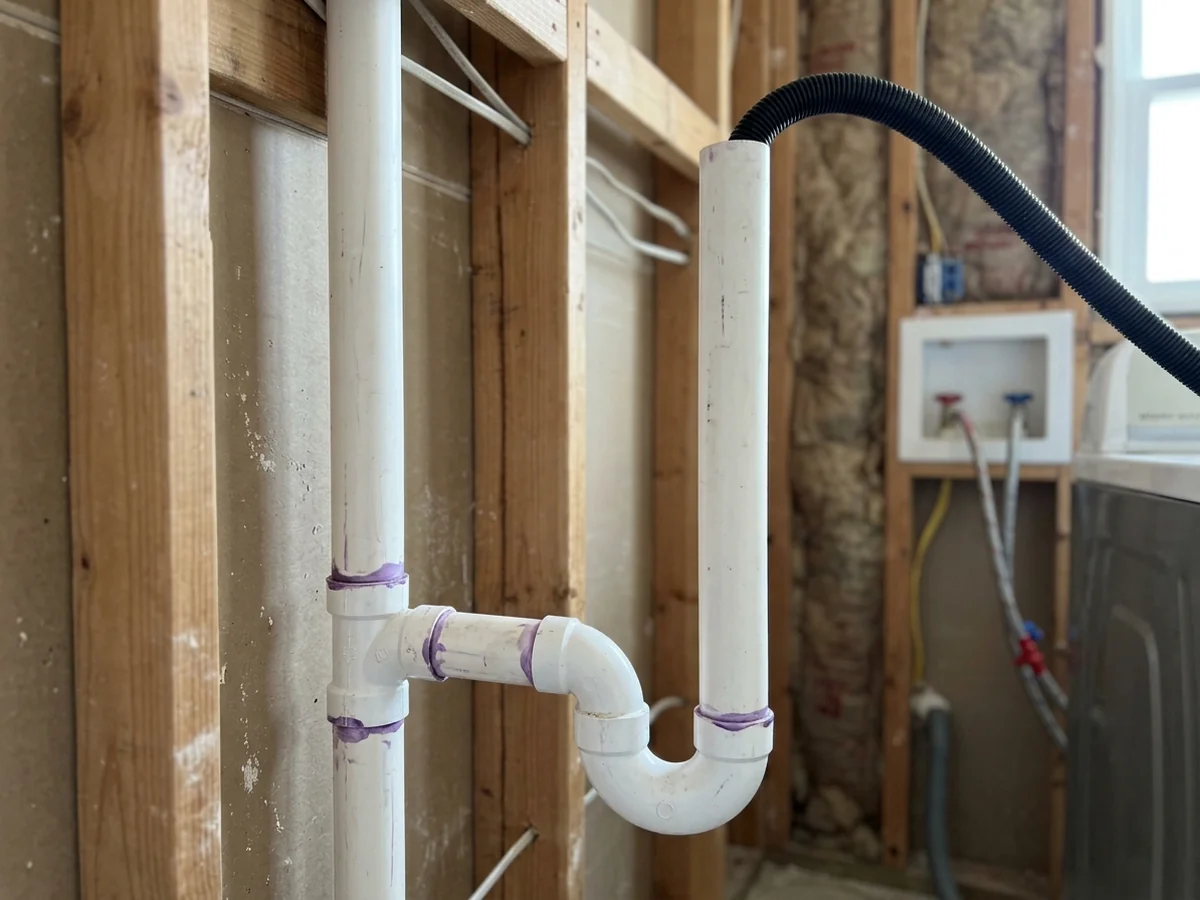
When installing or repairing a washing machine drain standpipe, the integrity of your materials and the precision of your venting are essential for system reliability. PVC piping is common for residential drain lines, and you must join all components with the appropriate solvent cement to ensure a watertight, permanent seal. While ABS piping is a widely accepted alternative to PVC in many regions, you should always verify your local building codes to confirm which material is permitted in your jurisdiction.
Compliance and Dimensional Standards
Adhering to established washing machine drain code requirements is critical for safety and performance. The International Residential Code (IRC) requires a washing machine standpipe to be between 18 and 42 inches high. Furthermore, the standpipe must extend at least 18 inches above the trap weir. A washing machine trap must be installed at least 6 inches above the floor but not more than 18 inches above the floor.
Common guidance suggests that the laundry drain pipe diameter should be at least 2 inches to manage high-volume discharge, which can reach flow rates of 15 to 20 gallons per minute. Using a standpipe that is too short is a common cause of water overflowing during the drain cycle, which can lead to property damage.
The Vital Role of Venting
Proper venting is mandatory for the safe operation of your drain assembly. The standpipe must be correctly vented to prevent the trap from being siphoned, which occurs when air pressure imbalances pull the water seal out of the P-trap. The standpipe must connect to a trap that is primed to prevent sewer gases from entering the home. Additionally, it is common practice to maintain an air gap between the washing machine discharge hose and the standpipe to prevent backflow contamination. You should also ensure the drain hose is securely fastened to the standpipe to prevent it from jumping out due to discharge pressure.
System Maintenance and Reliability
Beyond the initial assembly, routine care ensures the longevity of your plumbing. A lint trap or screen should be cleaned periodically to prevent standpipe blockages, which are a common cause of drainage failure. If you notice slow drainage, address the issue promptly to avoid backups. A standpipe serves as a vital buffer to prevent sudsing and water from backing up into the appliance. By focusing on high-quality materials, following standard installation heights, and ensuring the plumbing system is properly vented, you create a robust foundation for your laundry area that remains free from odors and drainage failures.
Preventing Common Drainage Issues
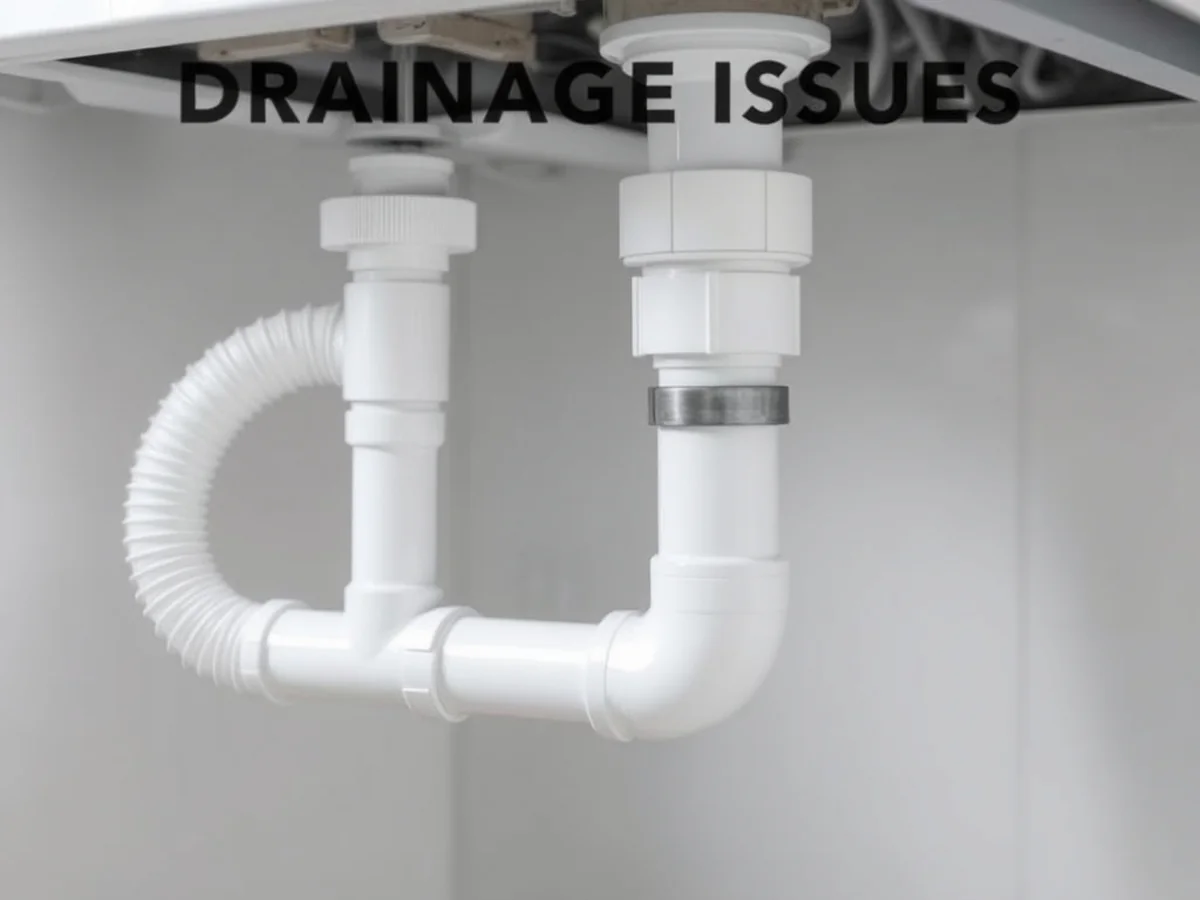
Proper drainage maintenance ensures your laundry area remains hygienic and functional while avoiding potential water damage. Following established plumbing practices helps protect your home from clogs and sanitation hazards.
- Maintain an air gap between the discharge hose and the standpipe to prevent backflow contamination, which is a common recommendation for keeping your water supply safe.
- Secure the discharge hose firmly to the pipe using a zip tie or manufacturer-supplied bracket to prevent it from jumping or dislodging during high-pressure cycles.
- Clean lint traps and screens periodically to prevent debris from causing blockages in the pipe, as this is essential for maintaining consistent water flow.
- The washing machine standpipe must be properly vented to prevent the trap from being siphoned, as required by the U.S. Department of Housing and Urban Development.
- The standpipe must connect to a trap that is primed to prevent dangerous sewer gases from entering your living space, according to official safety guidance.
It is common guidance to maintain a width for the laundry drain line of at least 2 inches to handle water discharge rates, which can reach 15 to 20 gallons per minute. If the pipe is too narrow, you may experience water backing up or spilling over during heavy cycles. Using a standpipe that is too short can also lead to water overflowing, making it vital to adhere to the International Residential Code requirement that a standpipe must be between 18 and 42 inches high. Additionally, the standpipe must extend at least 18 inches above the trap weir, and the trap must be installed at least 6 inches but not more than 18 inches above the floor.
When installing or repairing these lines, note that PVC piping is a common choice for residential use, provided it is joined with appropriate solvent cement. ABS piping is another frequent alternative, though you should check your local building codes to confirm which materials are permitted in your area. Always verify that your configuration aligns with safety standards to ensure the longevity of your appliance and the integrity of your home drainage system. Routine inspections of these connections can catch minor issues before they escalate into significant leaks or backups.
Cleaning Your Standpipe Drain
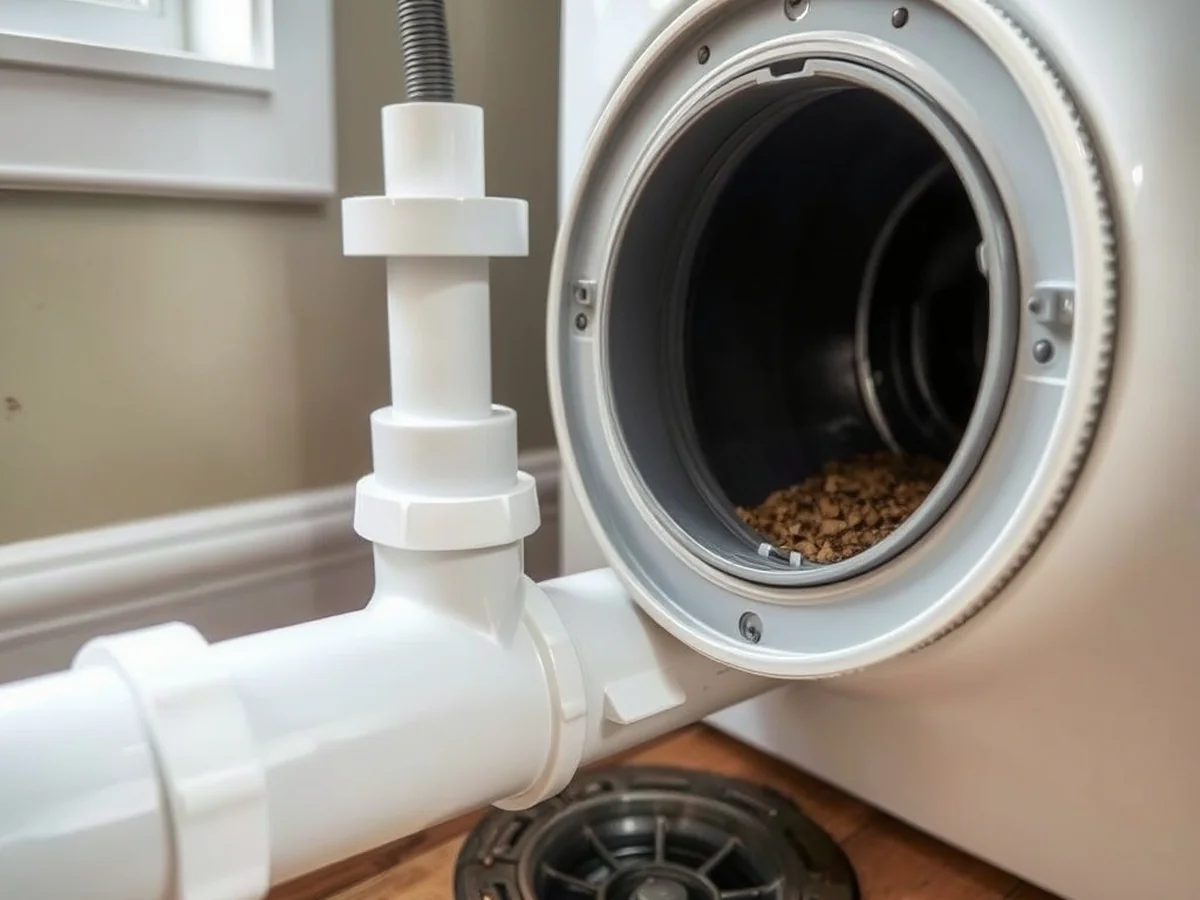
A functional washing machine drain standpipe acts as a critical buffer, preventing water backup and sudsing by managing high-volume discharge. Given that typical washing machines can push water at rates of 15 to 20 gallons per minute, any obstruction in the line can lead to significant overflow. Maintaining this system starts with regular inspections of your lint trap or screen, which is the most frequent point of failure for residential laundry drainage.
Understanding Code Requirements
Adhering to professional standards ensures your system remains safe and efficient. The International Residential Code (IRC) requires a washing machine standpipe to be between 18 and 42 inches high to balance capacity with flow dynamics. Furthermore, the standpipe must extend at least 18 inches above the trap weir. Regarding elevation, a washing machine trap must be installed at least 6 inches above the floor but not more than 18 inches above the floor. Always ensure the standpipe is properly vented, which is a mandatory requirement to prevent the trap from being siphoned. If the trap loses its prime, harmful sewer gases can enter your living space, creating a major health hazard.
Routine Maintenance and Clog Removal
If you notice slow drainage or water backing out during a cycle, first inspect the lint screen for debris. For minor obstructions, you may use a basic drain snake to clear the upper portion of the pipe. While PVC piping is a common standard, remember that it must be joined with appropriate solvent cement to maintain structural integrity. If you are using ABS piping, ensure it meets local code specifications. When reconnecting your discharge hose, always secure it to the standpipe to prevent it from jumping out due to the pressure of the pump. It is also common practice to maintain an air gap between the discharge hose and the standpipe to prevent backflow contamination.
When to Call a Professional
Attempting to clear a deep blockage without the proper tools can damage your plumbing lines. You should consult a licensed plumber if you experience persistent backups, detect sewer gas odors, or find that basic clearing efforts fail to restore flow. A professional will ensure the P-trap is correctly primed and that the entire system functions in accordance with local drainage codes. Relying on an expert is the safest way to protect your home from water damage and ensure the longevity of your laundry setup.
Concealing Standpipe Drain Pipes
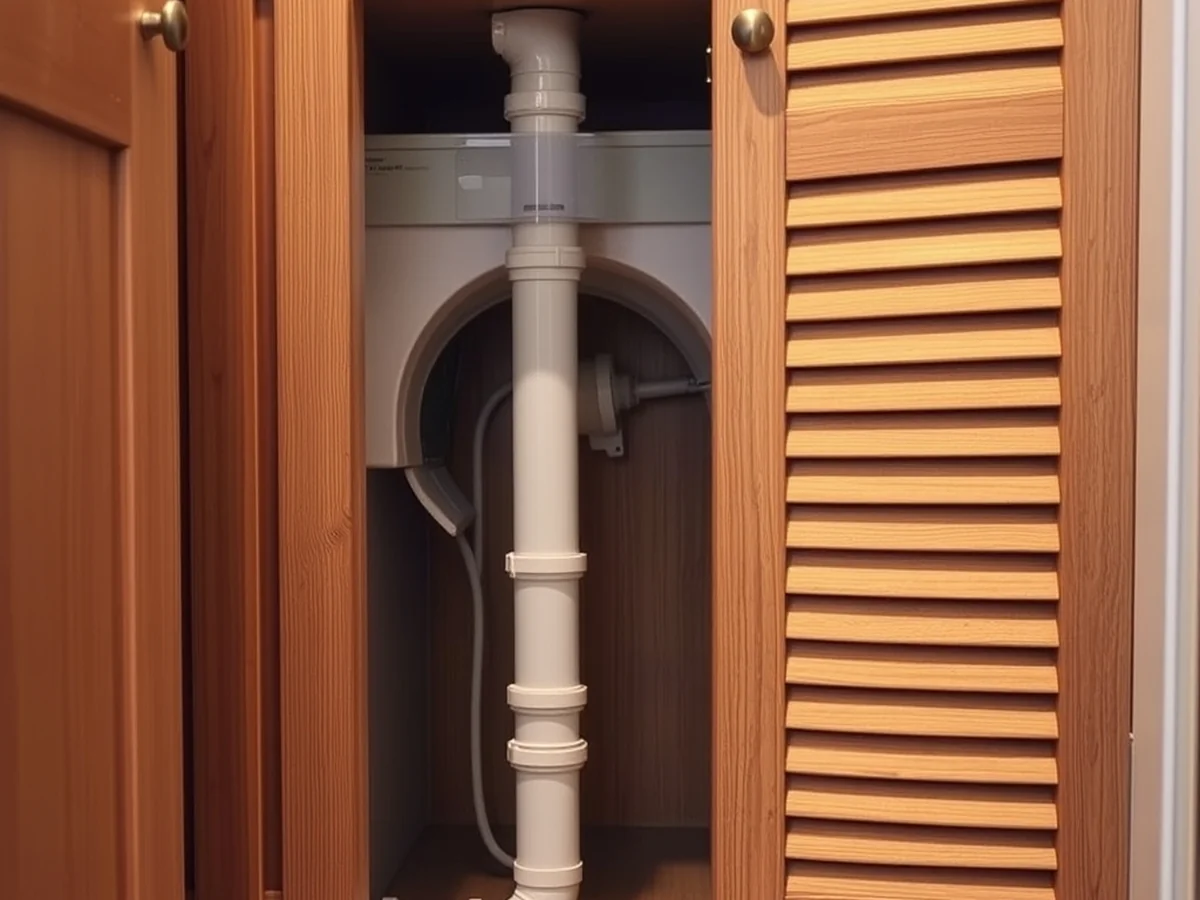
You can effectively hide exposed utility lines by building custom cabinetry or using modular screens that allow for easy access while maintaining a clean aesthetic. When designing an enclosure, ensure it remains non-intrusive by opting for ventilated panels, which prevent moisture buildup and allow for the essential air gap required between the discharge hose and the pipe to prevent backflow contamination.
Always prioritize accessibility when concealing these lines, as you must be able to reach the connection point for maintenance and inspections. A common approach involves creating a false wall or a slim, removable cabinet unit that aligns with the rest of your laundry room decor. This ensures that if you ever need to address a blockage or verify that the unit is properly vented to prevent the trap from being siphoned, you can do so without damaging your home finishes.
Modern homes often benefit from integrating smart leak detection sensors near the base of the drain. Placing a moisture-sensitive alarm on the floor near the plumbing connection provides an immediate alert if a backup occurs, which is particularly useful if your laundry area is behind a decorative screen. This proactive step helps you manage potential water overflow during the drain cycle by catching small leaks before they cause significant damage to nearby walls or flooring.
Managing the sound of high-volume water flow is another important consideration when creating an enclosure. You can incorporate soundproofing materials, such as acoustic foam or mass-loaded vinyl, inside the cabinet structure surrounding the pipe to dampen the noise produced during the drain cycle. Because water discharge from a washing machine can reach flow rates up to 15 to 20 gallons per minute, even a thin layer of insulation can make a noticeable difference in reducing vibration and mechanical noise within your living space.
Keep the following safety and compliance factors in mind when building your concealment project:
- Ensure the standpipe height remains between 18 and 42 inches as required by the International Residential Code (IRC).
- Verify that the trap is installed at least 6 inches but not more than 18 inches above the floor.
- Remember that the standpipe must extend at least 18 inches above the trap weir.
- Confirm that the opening for the laundry drain pipe is at least 2 inches wide to support proper flow.
- Always keep the area around the lint trap or screen accessible for periodic cleaning to maintain performance.
FAQ
Do I need a standpipe for a washing machine?
Yes, a washing machine drain standpipe is necessary to safely manage high-volume water discharge and prevent backflow. It typically serves as a buffer to keep suds and wastewater from backing up into your machine while ensuring the system remains sanitary.
What is the code for a washing machine standpipe height?
The International Residential Code (IRC) requires a washing machine standpipe to be between 18 and 42 inches high. Additionally, the standpipe must extend at least 18 inches above the trap weir to function correctly.
How does a P-trap work with a laundry drain?
A washing machine trap must be installed at least 6 inches above the floor but not more than 18 inches above the floor to provide a water seal that prevents sewer gases from entering your home. The standpipe must be properly vented to prevent the trap from being siphoned, which could otherwise drain the water seal away and expose your living space to odors.
How to unclog a washing machine drain standpipe?
You can often clear a minor blockage using a plumbing snake to remove debris like lint or buildup from the line. A lint trap or screen should be cleaned periodically, as these are common sources of flow restriction that lead to drainage issues.
Why must I secure the drain hose to the standpipe?
You should secure the washing machine drain hose to the standpipe to prevent it from jumping out due to the pressure of the water flow. Unsecured hoses can easily dislodge during the drain cycle, causing significant water damage to your laundry area or surrounding floors.
What is the required width for the laundry drain pipe?
Common plumbing guidance suggests that the pipe used for a washing machine drain should have a diameter of at least 2 inches to handle high discharge rates. Using a pipe that is too narrow often leads to water backing up out of the standpipe, as the system cannot process the 15 to 20 gallons of water per minute effectively.
Conclusion
Ensuring your laundry setup meets safety and functional standards is the most important step for long-term reliability. Before finalizing your installation, verify that your Washing Machine Drain Standpipe adheres to local building codes regarding height and venting to prevent potential water damage or sewer gas infiltration. If you are uncertain about your specific plumbing configuration, consult with a licensed professional to review your layout for code compliance. Proper installation now prevents costly repairs later.
Sources: ecfr.gov, septic.umn.edu, surveys.ecit.fsu.edu, sdsdut.gov
You might also like: 10 Bedroom Reach-In Closet Ideas